

67) Chronic Fatigue and Physiotherapy: Gentle Movement for Energy and Recovery
Living with chronic fatigue can feel like dragging yourself through molasses—constant tiredness, brain fog, sore joints, and rest never seems enough. But gentle physiotherapy can help you regain energy, improve mobility, and ease symptoms without pushing your body into a crash. Read on to discover how tailored movement, pacing, and compassionate care can make all the difference—and see how one local patient from a suburb near Frenchs Forest NSW got better with us. Want to feel more alive again? Let’s get moving (gently).
What is Chronic Fatigue?
Chronic fatigue (often referred to in clinical terms as Myalgic Encephalomyelitis / Chronic Fatigue Syndrome, or ME/CFS) is a complex, long-term condition. It’s not just “feeling tired”—you get overwhelming exhaustion that doesn’t improve with rest, cognitive impairments (“brain fog”), sleep issues, pain, and sometimes worsened symptoms after physical or mental exertion (post-exertional malaise).
Because the causes are multi-factorial (immune, neurological, autonomic dysregulation, inflammation, etc.), recovery tends to be gradual, with ups and downs. The good news? Physiotherapy plays a key role in managing symptoms, improving quality of life, and helping people regain a bit more control.

Who Commonly Gets Chronic Fatigue?
Chronic fatigue can affect anyone, but some groups are more likely to experience it. It’s most often seen in:
- Women between 20–50 years (though men and older adults can also be affected).
- People following viral infections or prolonged illness, where the immune system and nervous system may remain dysregulated.
- Those under high stress or with poor sleep, which can worsen symptoms or act as triggers.
- Individuals with hypermobility spectrum disorders (HSD), hypermobile Ehlers-Danlos syndrome (hEDS) and related conditions. Research shows these groups often experience significant fatigue that is distinct from, but can overlap with, syndromes like ME/CFS. The exact relationship is complex and not fully understood, but issues such as autonomic dysfunction, joint instability and chronic pain are thought to play a role. To learn more about hypermobility CLICK HERE.
Because these factors vary from person to person, it’s important to have a personalised assessment. A physiotherapist familiar with chronic fatigue and hypermobility can help you manage symptoms safely, protect your joints, and pace your activity without worsening your fatigue.

Why Gentle Movement Matters
You might think: if I’m always tired, shouldn’t rest be the priority? Yes, rest is essential. But too much inactivity can lead to deconditioning (muscles weaken, joints stiffen, cardiovascular fitness drops), which actually worsens fatigue and reduces your ability to do the things you want.
Gentle movement helps by:
- Maintaining joint range of motion and preventing stiffness.
- Supporting circulation, which helps with oxygen delivery and removal of metabolic wastes.
- Helping mood, sleep, and relieving anxiety, all of which feed into energy levels.
- Encouraging breathing mechanics and posture, which may help autonomic regulation.
Yet, it’s a fine balance—overdoing it can trigger flare-ups. That’s why pacing, appropriate progression, and individualisation are key.
What Physiotherapy Actually Looks Like
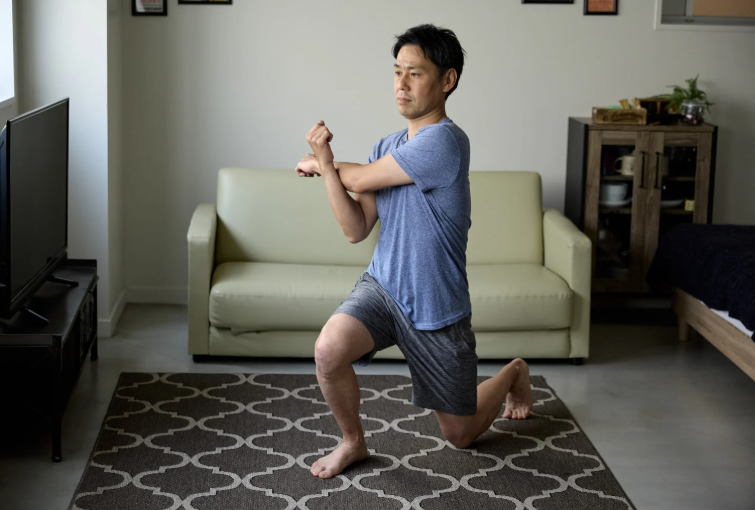
Here are the kinds of things a physiotherapist experienced with chronic fatigue might do:
| Component | What It Involves | Benefits |
|---|---|---|
| Assessment | Listening to your history, understanding your fatigue levels, patterns of exacerbation, what you can tolerate. Possibly use fatigue scales, measure movement or strength baseline. | Helps tailor treatment safely; avoids pushing into “post-exertional malaise.” |
| Pacing & Energy Management | Teaching you how to track energy, schedule rest and activity, avoid boom-bust cycles, find your “energy envelope.” | Prevents crashes; helps you gradually do more without worsening symptoms. |
| Gentle Movement & Stretching | Light stretching, range-of-motion work, possibly bed-based or sitting-based movements; maybe very short walks or gentle mobility exercises. | Keeps joints supple, reduces stiffness, maintains basic mobility. |
| Low Load Strength & Stability | Very light resistance or resistance bands, isometric exercises, focusing on functional tasks rather than high intensity. | Helps preserve muscle strength so daily activities are easier. |
| Breathing, Relaxation & Mind-Body Work | Diaphragmatic breathing, mindfulness, perhaps yoga or Tai Chi modified to fit your energy levels. | Calms nervous system, improves sleep, reduces anxiety. |
| Education & Support | Helping you understand fluctuations, triggers, self-monitoring, setting realistic goals, being kind to yourself. | Empowers you; gives tools to self-regulate and avoid feeling like you’ve failed when symptoms spike. |
What Is Not Helpful
It’s just as important to know what to avoid:
- Rigid graded exercise prescribed without regard for how you’re doing (this can worsen symptoms).
- Pushing through pain or exhaustion; doing more on good days and paying for it with bad crashes.
- Comparing your recovery to others—it’s individual.
- Ignoring signs of overexertion, like worsening fatigue, body pain, cognitive decline, or sleep disturbance.

Clinical Evidence & Best Practices
- Many clinical guides (e.g. 25% ME Group) stress tailored, gentle movement, pacing, and avoiding overexertion. (25% M.E Group)
- Recent blogs and physiotherapy experts highlight that while rest has its role, inactivity leads to decline. Gentle, supervised, gradual movement reduces stiffness, maintains mobility, and supports quality of life. (Active Silvers)
- Movement types like chair yoga, aquatic therapy, breathwork, stretches, mobility especially if done well-paced and respectful of energy levels often show better tolerance. (Active Silvers)
A Local Case Example
Here at our clinic in Frenchs Forest, NSW, we recently saw “Margaret,” who lives in neighbouring Terrey Hills. She had been dealing with chronic fatigue for nearly 18 months. She reported constant fatigue, difficulty walking more than a few minutes, poor sleep, and struggling to keep up with daily chores.
What we did:
- Started with a thorough assessment: fatigue diary, mobility, gentle strength baseline (sit-to-stand, light core work), breathing patterns.
- Introduced pacing: Margaret learned to break tasks into smaller pieces, rest in between, plan good days and bad days.
- Movement plan: seated and lying down stretches; gentle range-of-motion work for shoulders, hips, ankles; breathing and posture work; very gradual walking (starting 2 minutes, twice a day, flat surfaces).
- Added in relaxation and mindfulness to help sleep and calm her nervous system.
Outcome: Over 10 weeks, Margaret’s fatigue severity dropped (she reported fewer “bad crash” days), sleep improved, she could walk 10-12 minutes without needing to stop frequently, she regained confidence to do light household tasks. She still has tough days, but has vastly more energy and function than when she first came to us.
How to Start Gentle Movement Safely
If you suspect you have chronic fatigue, or you already do, here are steps to begin moving gently and safely:
- See a physiotherapist who understands chronic fatigue / ME/CFS.
- Begin with baseline – what can you currently tolerate without feeling worse the next day? Use that as your starting point.
- Track your energy and symptoms (diary, app) so you can see what helps, what hurts.
- Set very small goals (e.g. 2-minute walk, seated stretch) rather than big fitness goals initially.
- Build in rest before, during, and after movement. If you feel worse after an activity, reduce or back off.
- Modify movement: seated rather than standing, lying rather than upright, shorter durations. Use supports (pillows, chairs, walls).
- Incorporate breathwork and relaxation which often help more than we expect.
- Review & adjust often – what works may change week to week, as symptoms fluctuate.

Common Gentle Movement Ideas (You Can Try)
- Seated chair yoga or simple seated stretches
- Bed-based range-of-motion when mobility is low
- Short gentle walks on flat ground
- Water-based movement if access is possible
- Light resistance using bands or isometric holds
- Gentle tai chi or modified yoga with props
- Deep breathing / diaphragmatic breathing, guided relaxation
When to Seek Help / Signs Something’s Wrong
You should contact a health professional (physio, doctor, specialist) if:
- You have symptoms suggestive of chronic fatigue and no diagnosis.
- There is dramatic worsening after any movement/activity.
- There are red-flag signs (e.g. unexplained weight loss, severe pain, neurological symptoms).
- Your fatigue is interfering significantly with life, sleep, mood.
FAQs
Below are some of the FAQs people often ask when thinking about physiotherapy and chronic fatigue.
Frequently Asked Questions
- What kind of physiotherapy is best for chronic fatigue?
The best physio for chronic fatigue is one who offers gentle, individualised care—someone who understands pacing, energy envelope work, uses low-impact movement, and avoids rigid exercise plans that force pushed exertion. - Can gentle exercise make chronic fatigue worse?
Yes, if it’s done without care. Overdoing things, ignoring rest, pushing through fatigue, or using standard exercise programs not adapted to your energy levels can lead to post-exertional malaise (a worsening of symptoms). The trick is gradual, paced, and responsive. - How much and how often should I move if I have chronic fatigue?
Start very small—maybe a few minutes a day, or even multiple short bouts. It depends on how you’re doing. The frequency might increase slowly, always with rest built in, and adjusting depending on how your body responds. There’s no one size fits all. - What is pacing and why is it important?
Pacing means managing your activity and rest to avoid crashes. You balance what feels safe, monitor your energy, plan for rest, and stop before you hit your limit. It helps prevent the boom-and-bust cycles many with chronic fatigue experience. - Are there types of movement or physiotherapy I should avoid?
Yes—high-intensity workouts, strict graded exercise regimes without individualisation, high-load strength training too soon. Anything that causes your symptoms to worsen or doesn’t account for how you feel should be avoided or modified.
Next Steps: How We Can Help You
If you’re reading this and thinking, “Yes, this sounds like me,” you don’t have to stay stuck. Physiotherapy isn’t a magic cure, but it can be a huge part of finding more energy, doing more of what matters, and getting back control over your body rather than letting fatigue control you.
Give us a call today on 9806 3077, or book online, just CLICK HERE to set up a consult. We’d love to walk this journey with you—as gently, thoughtfully, and powerfully as your body allows.
References & Further Reading
- PT for Chronic Fatigue Syndrome – Gentle Exercises for Sustained Energy. Healix Therapy. Healix Therapy
- 5 Best Gentle Exercises For Chronic Fatigue Management. Active Silvers. Active Silvers
- Physiotherapy for ME/CFS: Questions and Answers. 25% ME Group. 25% M.E Group
- How Physical Therapy Can Help Manage Chronic Fatigue Syndrome … Rebuilding Energy, Function and Hope. Witte Physical Therapy. wittephysicaltherapy.com