
117) Peroneal Tendonitis Treatment in Frenchs Forest
Outer ankle pain that just won’t settle can be frustrating—especially when it limits walking, running, or even standing comfortably. Peroneal tendonitis is a common cause we treat in clinic, and the good news is it responds well to the right care. Here’s how physiotherapy can help you recover properly.
Peroneal Tendonitis Treatment in Frenchs Forest
If you’re searching for peroneal tendonitis physiotherapy Frenchs Forest, you’re not alone. We regularly see this condition in runners, gym-goers, tradies, and even people who’ve simply increased their walking or activity levels.
Based in Frenchs Forest NSW, our clinic treats outer ankle pain every week. In our experience, this issue is often misdiagnosed or left too long, which is why early physio can make a big difference.

What is Peroneal Tendonitis?
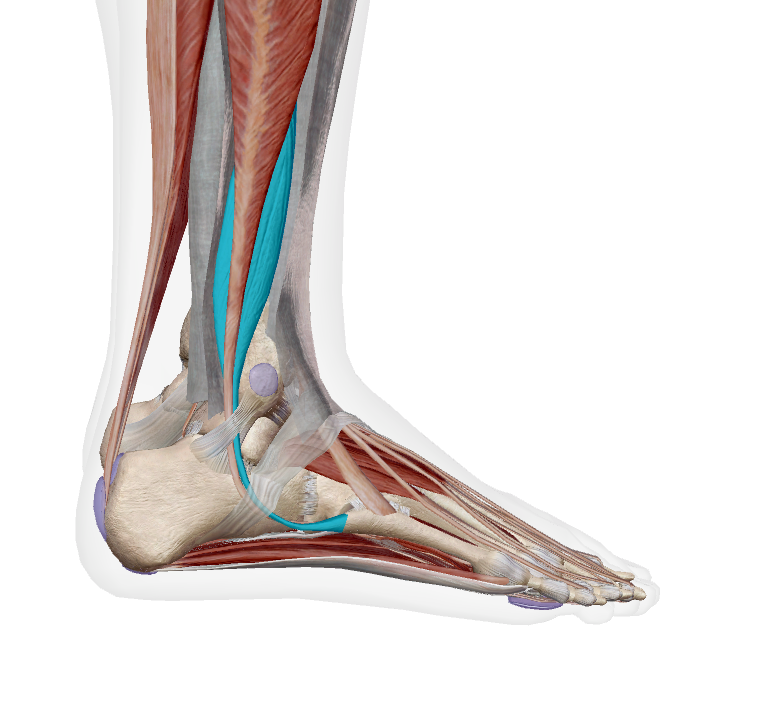
Peroneal tendonitis refers to irritation or overload of the peroneal tendons, which run along the outside of your ankle and foot. These tendons help stabilise your ankle and control side-to-side movements.
When they become overloaded—often from repetitive stress or sudden changes in activity—they can become painful and inflamed. Most patients are surprised that this condition isn’t just a “sprain” but a load-related issue that needs proper rehab, not just rest.
Symptoms of Peroneal Tendonitis
- Pain on the outside of the ankle (especially with walking or running)
- Tenderness behind the ankle bone
- Swelling or stiffness along the outer ankle
- Pain that worsens with activity and eases with rest
- Feeling of weakness or instability in the ankle
What Causes Peroneal Tendonitis?
A. General Causes
- Overuse or repetitive loading
- Sudden increase in training or activity
- Poor footwear or support
- Weakness in ankle or foot muscles
- Previous ankle injuries
B. Clinic Insights
In our experience, the most common cause we see is a sudden spike in activity—like returning to running too quickly or ramping up gym sessions.
A mistake we often see is people treating it like a simple ankle sprain and just resting. While rest can settle symptoms temporarily, it doesn’t address the underlying weakness or loading issue.
Most people think it’s just inflammation, but actually, it’s often a load management problem combined with poor ankle control.
To learn more about ankle sprains CLICK HERE
Can You Keep Training?
The honest answer: it depends.
You don’t always need to stop completely—but you do need to modify. Continuing to push through pain usually prolongs recovery.
In our clinic, we guide patients on how to reduce aggravating movements while keeping them active in safer ways. This is where peroneal tendonitis physiotherapy Frenchs Forest becomes valuable—you’re not guessing what to do.

How Physio Treats Peroneal Tendonitis
1. Assessment
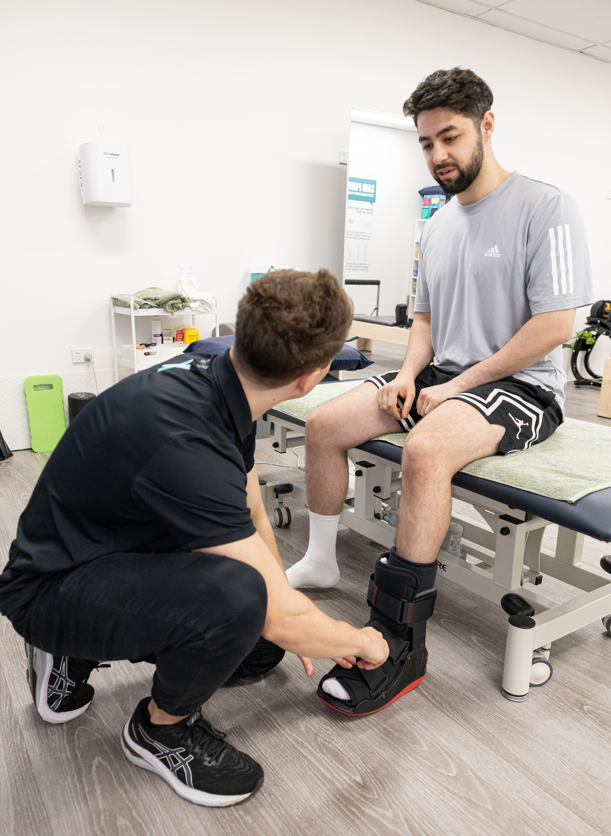
We assess your ankle strength, movement patterns, footwear, and training load. Often, the issue isn’t just the tendon—it’s how your whole lower limb is working.
2. Pain Reduction
This may include:
- Load modification
- Taping or bracing
- Manual therapy
- Advice on footwear
3. Strength & Rehab
This is the most important phase. We focus on:
- Peroneal muscle strengthening
- Calf and foot control
- Balance and stability work
Most patients are surprised that improving strength—not just resting—is what actually fixes the problem.
If this sounds like what you’re dealing with, getting on top of it early with physio can make a huge difference.
4. Return to Activity
We gradually reintroduce running, gym work, or sport with a structured plan. In our experience, this step is often rushed—which is why many people get recurring pain.
Why Rest Alone Doesn’t Fix Peroneal Tendonitis
This is something most blogs miss.
Rest might reduce pain short-term, but it doesn’t improve tendon capacity. Without rebuilding strength and tolerance, the pain often comes straight back when activity resumes.
We often see patients who rested for weeks, felt better, then flared up again immediately when returning to exercise. Proper rehab is what breaks that cycle.

Real Patient Example
We recently treated a runner from Dee Why who came into our Frenchs Forest clinic with persistent outer ankle pain.
They had stopped running for three weeks, but the pain kept returning whenever they tried to get back into it.
On assessment, we found:
- Weak peroneal muscles
- Poor ankle control during running
- A recent increase in training load
We guided them through a structured strengthening program, adjusted their running load, and improved their movement mechanics.
Within 4–6 weeks, they were back to running pain-free—and more importantly, confident it wouldn’t return.
Common Mistakes
- Ignoring the pain early
Waiting too long often makes it harder to settle - Resting without rehab
Symptoms improve, but the problem remains - Returning to sport too quickly
Leads to flare-ups and frustration - Wearing unsupportive footwear
Adds unnecessary stress to the tendon - Trying random exercises online
Without guidance, this can make things worse
Recovery Time
Recovery varies depending on severity and how early treatment starts.
- Mild cases: 2–4 weeks
- Moderate cases: 4–8 weeks
- Longer-standing cases: 8–12+ weeks
In our experience, patients who start physio early tend to recover faster and avoid long-term issues.
Physio in Frenchs Forest – How We Can Help
If you’re dealing with peroneal tendonitis in Frenchs Forest or nearby areas, our physios can help you recover faster and prevent it from coming back.
We focus on not just settling pain, but fixing the underlying cause—so you can get back to running, training, or work without setbacks.
You can learn more about our approach to physio in Frenchs Forest or explore our advice on running injury treatment to stay injury-free.
Give us a call today on 9806 3077, or book online, just CLICK HERE:
https://x-physio.au4.cliniko.com/bookings#service
FAQs
1. What is the fastest way to recover from peroneal tendonitis?
The fastest way is a combination of load management and targeted strengthening through physiotherapy—not just rest.
2. Should I stop running with peroneal tendonitis?
Not always. In many cases, running can be modified rather than stopped completely, depending on pain levels.
3. Can peroneal tendonitis heal on its own?
It can improve, but without addressing the underlying cause, it often returns.
4. Is peroneal tendonitis the same as an ankle sprain?
No. While symptoms can feel similar, tendonitis is usually a load-related issue rather than a ligament injury.
5. Do I need scans for peroneal tendonitis?
Most cases don’t require imaging. A thorough physio assessment is usually enough to diagnose and treat it.
References
- Australian Physiotherapy Association – www.physiotherapy.asn.au
- Sports Medicine Australia – www.sma.org.au
- Better Health Channel (Victoria) – www.betterhealth.vic.gov.auAmerican Academy of Orthopaedic Surgeons – www.aaos.org
Give us a call today on 9806 3077, or book online, just CLICK HERE
https://x-physio.au4.cliniko.com/bookings#service