
118) How to Get Rid of Muscle Knots Fast
Muscle knots can feel like tight, painful lumps that just won’t go away—no matter how much you stretch or massage them. If you’re dealing with persistent tension, this guide explains what’s going on and how physio can actually fix it properly.
Muscle Knots Treatment in Frenchs Forest
If you’re searching for muscle knots treatment Frenchs Forest, you’re definitely not alone. We regularly see this issue in clinic across a wide range of patients—from gym-goers and runners to desk workers and tradies.
In Frenchs Forest NSW, muscle knots are one of the most common complaints we treat. Whether it’s neck tension from long hours at a desk, tight calves from running, or shoulder knots from the gym, this is something we deal with every day—and it’s very treatable with the right approach.
What Are Muscle Knots (Trigger Points)?
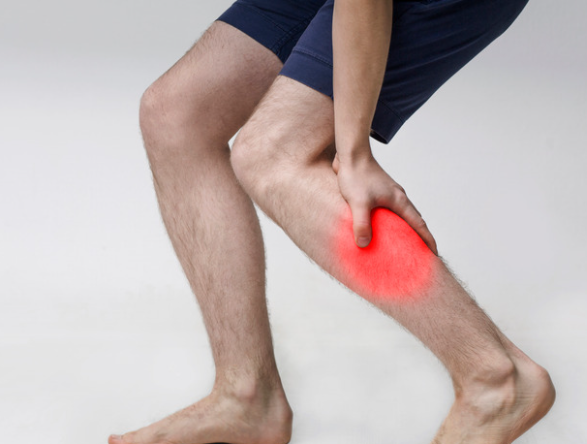
Muscle knots, often called trigger points, are small, tight areas within a muscle that become sensitive and painful. They can feel like a hard lump or band and often cause discomfort both locally and in surrounding areas.
In simple terms, a muscle knot is where part of the muscle fibres have become stuck in a contracted state. This reduces blood flow, increases sensitivity, and creates that familiar tight, aching feeling.
Most patients are surprised that these knots aren’t just “tight muscles”—they’re actually dysfunctional muscle tissue that needs targeted treatment, not just stretching.
Common Symptoms of Muscle Knots
- Localised tenderness or a “lump” in the muscle
- Aching or deep muscle pain
- Pain that spreads (referred pain)
- Stiffness or reduced range of motion
- Pain when pressing on the area
- Muscle fatigue or weakness
What Causes Muscle Knots?
A. General Causes
Muscle knots usually develop due to a combination of factors:
- Overuse or repetitive movements
- Sudden increases in training load
- Poor posture (especially desk work)
- Muscle weakness or imbalance
- Stress and tension
B. 🔥 What We See in Clinic
In our experience, the most common cause we see is a combination of overload and poor muscle control—not just “tightness” on its own.
A mistake we often see is people trying to fix knots purely with stretching or massage guns. While that might feel good short-term, it doesn’t address why the knot formed in the first place.
Most people think muscle knots are caused by dehydration or “toxins”—but actually, they’re usually due to mechanical overload and poor muscle function.
We often find that once we improve strength, movement patterns, and load management, the knots stop coming back.
Can You Keep Training?
The short answer: yes, but it depends.
In many cases, you can keep training—but you may need to modify:
- Intensity
- Volume
- Movement patterns
Pushing through severe pain usually makes things worse, especially if the underlying issue isn’t addressed.
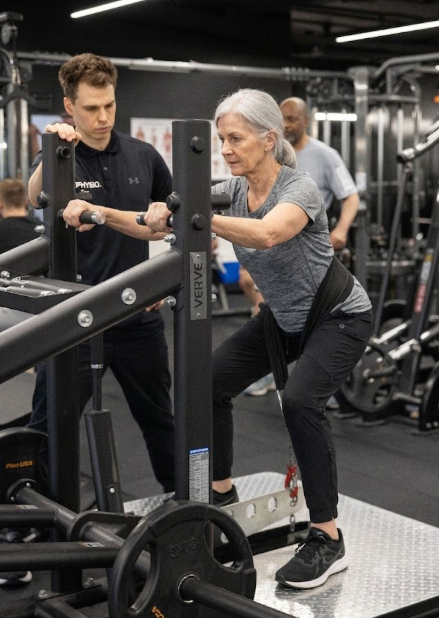
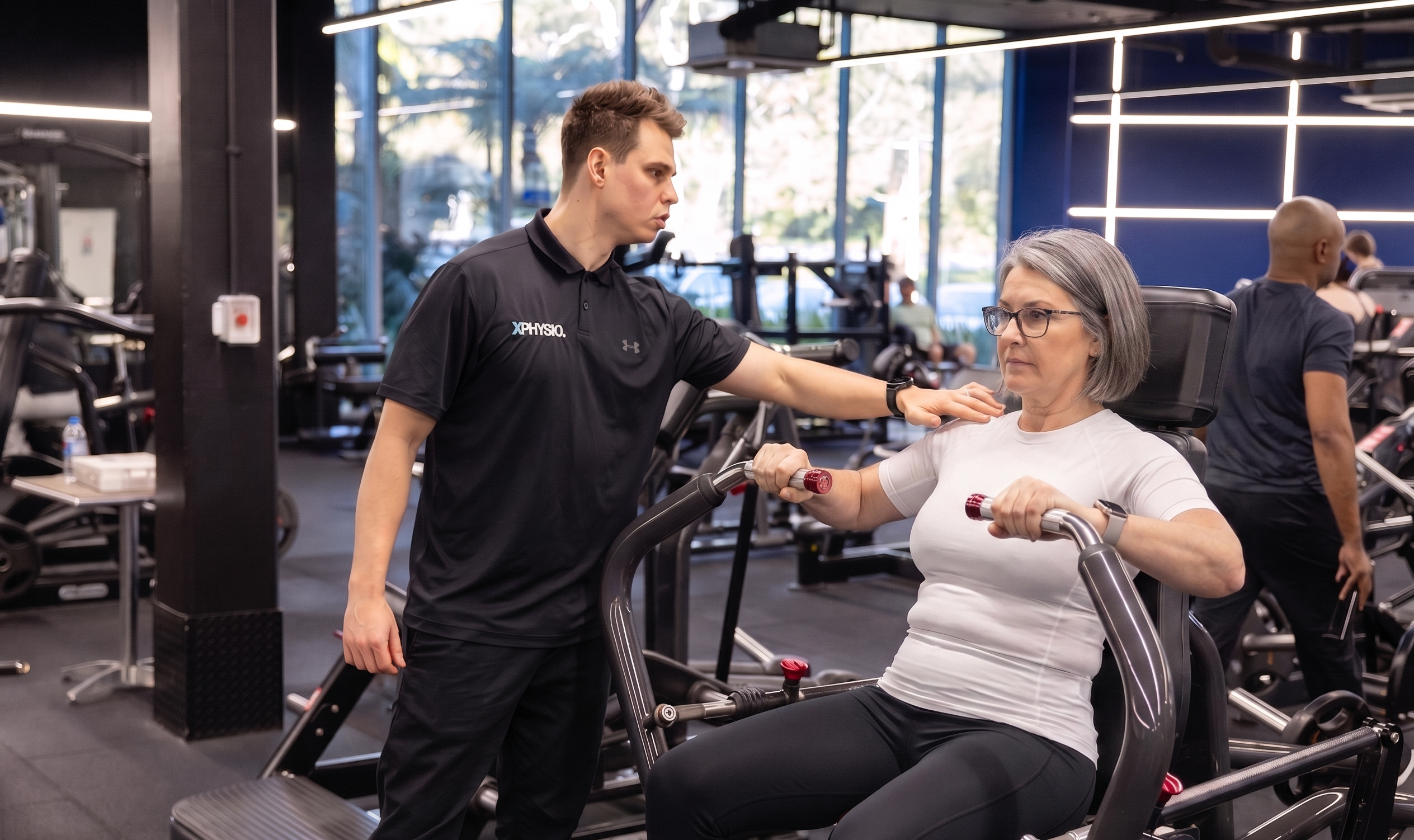
This is where physio becomes the smarter option. Instead of guessing, we can guide you on exactly what to continue, what to modify, and what to temporarily avoid—so you don’t lose progress.
If this sounds like what you’re dealing with, getting on top of it early with physio can make a huge difference.
How Physio Treats Muscle Knots (Step-by-Step)
1. Assessment
We start by identifying:
- Where the trigger points are
- What’s causing them
- Movement or strength issues contributing to the problem
This is key—because treating the knot without fixing the cause usually leads to recurrence.
2. Pain Reduction
We use a combination of:
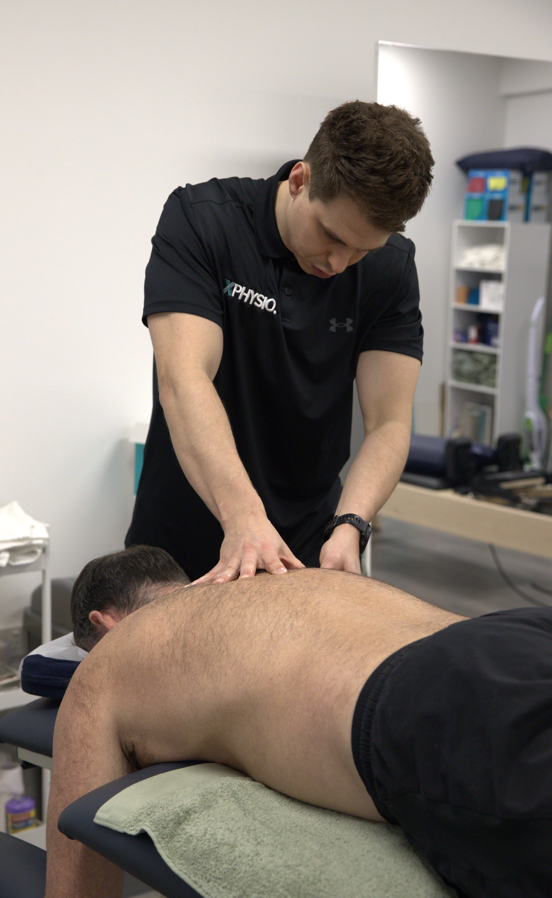
- Hands-on release techniques
- Dry needling (if appropriate)
- Targeted soft tissue work
This helps reduce pain and relax the muscle quickly.
3. Strength & Rehab
This is where long-term change happens.
We focus on:
- Strengthening weak muscles
- Improving control and coordination
- Fixing posture and movement patterns
In our experience, this is the step most people skip—and it’s why their knots keep coming back.
4. Return to Activity
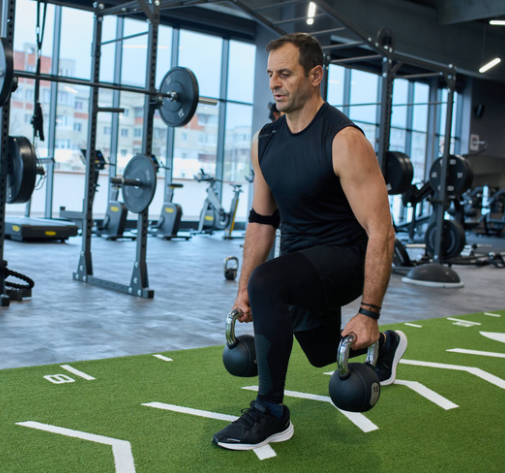
We guide you back to:
- Gym training
- Running
- Work tasks
…in a way that prevents flare-ups and builds resilience.
Why Rest Alone Doesn’t Fix Muscle Knots
One of the biggest misconceptions is that rest will solve the problem.
While rest might reduce symptoms temporarily, it doesn’t address:
- Muscle weakness
- Movement dysfunction
- Load issues
We often see patients who’ve rested for weeks, only for the knot to return as soon as they resume activity.
The real fix comes from combining treatment with proper rehab.
Real Patient Example
We recently treated a patient from Belrose who came into our Frenchs Forest clinic with persistent upper back and shoulder knots.
He was a desk worker who also trained at the gym 4–5 times per week. He’d tried massage and stretching, but the knots kept coming back.
On assessment, we found:
- Poor upper back strength
- Overactive neck and shoulder muscles
- Limited thoracic mobility
We treated the trigger points with hands-on therapy and dry needling, then introduced a targeted strength program.
Within 3–4 weeks, his pain significantly reduced—and more importantly, the knots stopped recurring.
Most patients are surprised that fixing the cause makes such a big difference compared to just treating the symptoms.
Common Mistakes People Make
- Only using massage or foam rolling
These help temporarily but don’t fix the underlying issue - Ignoring strength training
Weak muscles are a major contributor to trigger points - Training through sharp pain
This can worsen the problem and delay recovery - Poor posture all day
Especially common with desk workers - Not addressing workload
Sudden spikes in activity often trigger knots
Recovery Time
Recovery depends on:
- How long the knot has been there
- Severity
- Underlying causes
Generally:
- Mild cases: 1–2 weeks
- Moderate cases: 3–6 weeks
- Chronic cases: 6+ weeks
In our experience, patients who combine treatment with rehab recover faster and are less likely to have the issue return.
If you’re dealing with muscle knots in Frenchs Forest or nearby areas, our physios can help you recover faster and prevent it from coming back.
Give us a call today on 9806 3077, or book online, just CLICK HERE:
https://x-physio.au4.cliniko.com/bookings#service
FAQs
What is the fastest way to get rid of muscle knots?
The fastest way is a combination of hands-on treatment (like physio or dry needling) and targeted exercises to fix the underlying cause.
Do muscle knots go away on their own?
Some mild knots may settle, but many persist if the root cause isn’t addressed.
Are muscle knots dangerous?
No, but they can become chronic and affect movement, performance, and comfort.
Is massage enough to fix muscle knots?
Massage helps temporarily, but without rehab, the knots often return.
Should I stretch a muscle knot?
Stretching can help, but it’s usually not enough on its own. Strength and control are key.
Internal Links
For more help, explore our physio in Frenchs Forest services:
https://www.xphysio.com.au
You can also read more about related injuries like:
https://xphysio.com.au/10-running-tips-from-a-physio-to-avoid-injury/
References
- Australian Physiotherapy Association – www.physio.asn.au
- Sports Medicine Australia – www.sma.org.au
- Better Health Channel (Victoria) – www.betterhealth.vic.gov.au