
116) Bone Spurs Explained: Causes, Pain Relief & Physio Treatment in Frenchs Forest
Bone spurs can be painful, frustrating, and often misunderstood. The good news? Most don’t need surgery. With the right bone spur treatment, you can reduce pain and stay active. If you’re dealing with ongoing joint or tendon pain, this guide will help you understand what’s going on—and what to do next.
Bone Spur Treatment in Frenchs Forest
If you’re searching for bone spur treatment Frenchs Forest, you’re not alone. We regularly treat runners, gym-goers, tradies, and office workers from across Frenchs Forest, NSW dealing with bone spurs in the heel, shoulder, knee, and spine.
In our clinic, this is a very common presentation—especially in people who stay active but have gradually increasing pain. The key thing most patients don’t realise is that the spur itself is rarely the real problem.
What Is a Bone Spur?
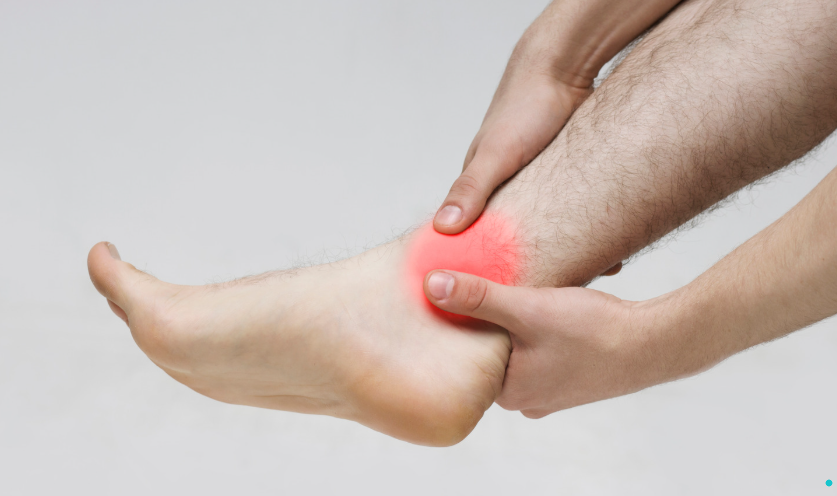
A bone spur (also called an osteophyte) is an extra bit of bone that forms along the edges of joints or where tendons attach. It’s your body’s way of responding to stress, friction, or long-term loading.
They often develop over time and are commonly found in the heel (plantar fascia), shoulder, knee, and spine.
Most patients are surprised that bone spurs themselves aren’t always painful. In fact, many people have them without knowing. Pain usually comes from the surrounding tissues becoming irritated—not the spur itself.
Symptoms
Bone spurs can present differently depending on the location, but common symptoms include:
- Localised pain with movement or load
- Stiffness around a joint (especially in the morning)
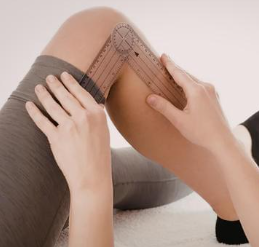
- Reduced range of motion
- Pain that builds gradually over time
- Tenderness when pressing on the area
- In some cases, nerve-related symptoms (tingling or weakness)
Causes
General Causes
Bone spurs typically develop due to:
- Repetitive loading or overuse
- Sudden increases in training or activity
- Joint wear and tear over time
- Muscle weakness or poor movement patterns
- Age-related changes
What We See in Clinic (Real Insights)
In our experience, the most common cause we see isn’t just “wear and tear”—it’s poor load management over time.
A mistake we often see is people blaming the spur on scans and thinking it needs to be removed. In reality, we frequently treat patients successfully without touching the spur at all.
Most people think it’s the bone causing the pain—but actually, it’s usually irritated soft tissue around it (like tendons or fascia).
We also often see people rest completely, which actually makes things worse long-term. The body needs the right load—not zero load.
Can You Keep Training?
Short answer: yes—but it depends.
You usually don’t need to stop completely. In fact, staying active (with the right modifications) is often better for recovery.
We guide patients to:
- Reduce aggravating activities temporarily
- Modify training intensity or volume
- Keep moving within a safe pain range
- Gradually reload the affected area
This is where physio becomes crucial—guessing often leads to flare-ups.

How Physio Treats Bone Spurs
1. Assessment
We look beyond the scan.
Your physio will assess:
- Movement patterns
- Strength and flexibility
- Load tolerance
- The actual source of pain
In our experience, this is where most of the answers come from.
2. Pain Reduction
Early treatment focuses on calming symptoms:
- Activity modification
- Manual therapy (if needed)
- Taping or temporary support
- Education around load
3. Strength & Rehab
This is the most important stage.
We build:
- Strength in surrounding muscles
- Tendon capacity
- Joint control and stability
Most patients are surprised how much stronger they need to get to truly fix the issue.
If this sounds like what you’re dealing with, getting on top of it early with physio can make a huge difference.
4. Return to Activity
We gradually reintroduce:
- Running, gym, or work demands
- Sport-specific movements
- Higher loads safely
The goal is not just pain relief—but preventing it from coming back.
Why Rest Alone Doesn’t Fix Bone Spurs
One of the biggest myths is that rest will solve the problem.
While short-term rest can reduce pain, it doesn’t address the underlying issue—load capacity.
In our experience, patients who only rest tend to flare up again as soon as they return to activity.
The real solution is progressive loading—done properly.
Real Patient Example
We recently treated a runner from Oxford Falls who came into our Frenchs Forest clinic with persistent heel pain diagnosed as a heel spur.
They had already tried rest, orthotics, and stretching—but nothing worked long-term.
On assessment, we found:
- Weak calf muscles
- Poor load tolerance in the plantar fascia
- Sudden increase in running volume
We focused on:
- Gradual calf strengthening
- Load management strategies
- Progressive return to running
Within 8 weeks, they were back running pain-free—and importantly, confident it wouldn’t return.
Common Mistakes
- Blaming the scan: The spur isn’t always the pain source
- Resting too much: Leads to weakness and recurrence
- Stretching only: Often not enough without strength work
- Returning too quickly: Causes flare-ups
- Ignoring early pain: Makes it harder to treat later
Recovery Time
Recovery varies depending on:
- Location of the spur
- How long symptoms have been present
- Your activity level
- How well rehab is followed
General guide:
- Mild cases: 4–6 weeks
- Moderate cases: 6–12 weeks
- Long-standing cases: 3+ months
We always aim for steady, sustainable progress—not quick fixes that don’t last.

How We Can Help
If you’re dealing with bone spurs in Frenchs Forest or nearby areas, our physios can help you recover faster and prevent it from coming back. We focus on treating the real cause—not just the symptoms.
Give us a call today on 9806 3077, or book online here:
https://x-physio.au4.cliniko.com/bookings#service
Recommended Reading
If you’re looking for expert physio in Frenchs Forest, visit:
https://www.xphysio.com.au
You may also find this blog helpful:
https://xphysio.com.au/tendonitis-vs-tendinopathy-whats-the-difference/
References
- Australian Physiotherapy Association – https://australian.physio
- Better Health Channel – https://www.betterhealth.vic.gov.au
- Sports Medicine Australia – https://sma.org.au
- Mayo Clinic – https://www.mayoclinic.org
- NHS – https://www.nhs.uk
Give us a call today on 9806 3077, or book online, just CLICK HERE: https://x-physio.au4.cliniko.com/bookings#service