
119) Anterior Knee Pain Treatment in Frenchs Forest | Physio Guide to Fast Recovery
Anterior knee pain is one of the most common reasons people feel pain going up and down stairs. If your knees ache, click, or feel weak with steps, you’re not alone—and the good news is it’s very treatable. Here’s what’s going on and how physio can help.
Anterior Knee Pain Treatment in Frenchs Forest
At our physiotherapy clinic in Frenchs Forest NSW, anterior knee pain is something we treat every single week. It affects a wide range of people—runners, gym-goers, tradies, office workers, and even parents constantly up and down stairs carrying kids.
We often see patients who’ve been putting up with knee pain for months, thinking it’ll settle on its own. In reality, the earlier you address it, the quicker and easier the recovery tends to be.
If you’re searching for anterior knee pain Frenchs Forest, you’re in the right place.
What Is Anterior Knee Pain?
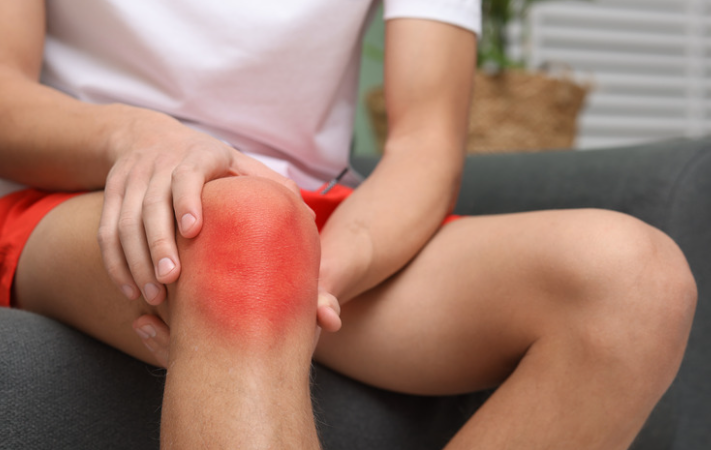
Anterior knee pain refers to pain felt at the front of the knee, typically around or behind the kneecap (patella). It’s commonly linked to how the kneecap moves over the joint when you bend and straighten your knee.
When movement patterns, strength, or loading aren’t quite right, the joint becomes irritated—especially during activities like stairs, squatting, or running.
Most patients are surprised that it’s not usually a “damage” issue, but more of a load management and movement control problem.
Common Symptoms
Anterior knee pain often presents as:
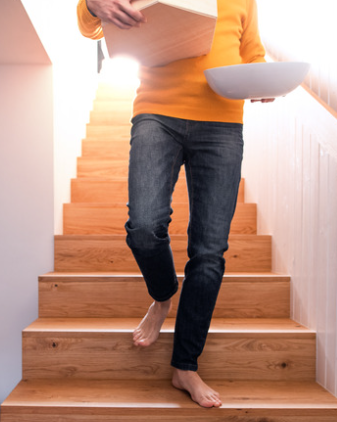
- Pain going up or down stairs
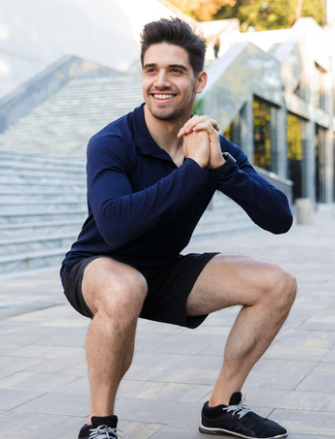
- Discomfort when squatting or lunging
- Pain after sitting for long periods (the “movie theatre sign”)
- Clicking or grinding sensations in the knee
- A dull ache around or behind the kneecap
- Stiffness when getting up from sitting
What Causes Anterior Knee Pain?
A. General Causes
There are a few common contributors:
- Overuse: Doing too much too soon (e.g. increasing running or gym load)
- Load changes: Sudden spikes in training or activity
- Muscle weakness: Especially in the quads, glutes, and hips
- Movement patterns: Poor knee tracking or control
B. Clinic Insights
In our experience, the most common cause we see isn’t just “weak quads”—it’s actually poor control through the hip and pelvis.
A mistake we often see is people focusing only on the knee itself. They’ll stretch or foam roll the knee, but ignore the real driver.
Most people think it’s a structural issue like “cartilage damage,” but actually, it’s usually a load and control issue that responds really well to the right rehab.
We also see a lot of people resting completely. While that might reduce pain short-term, it doesn’t fix the underlying problem—which is why the pain comes back as soon as activity resumes.

Can You Keep Training?
Short answer: it depends—but usually yes, with modification.
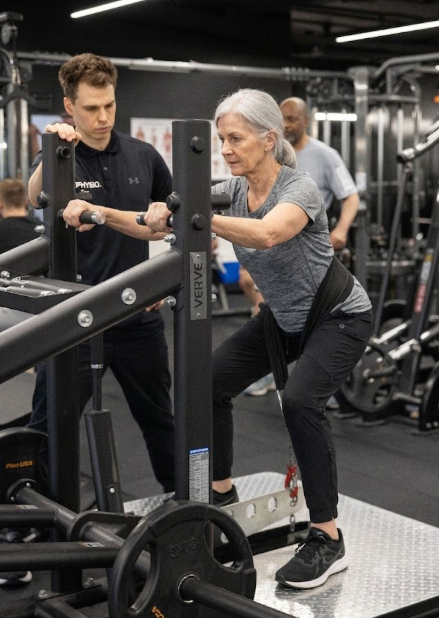
In most cases, you don’t need to stop training completely. What you do need is to adjust your load so the knee settles while still maintaining strength.
For example:
- Reducing running volume temporarily
- Avoiding deep knee bending early on
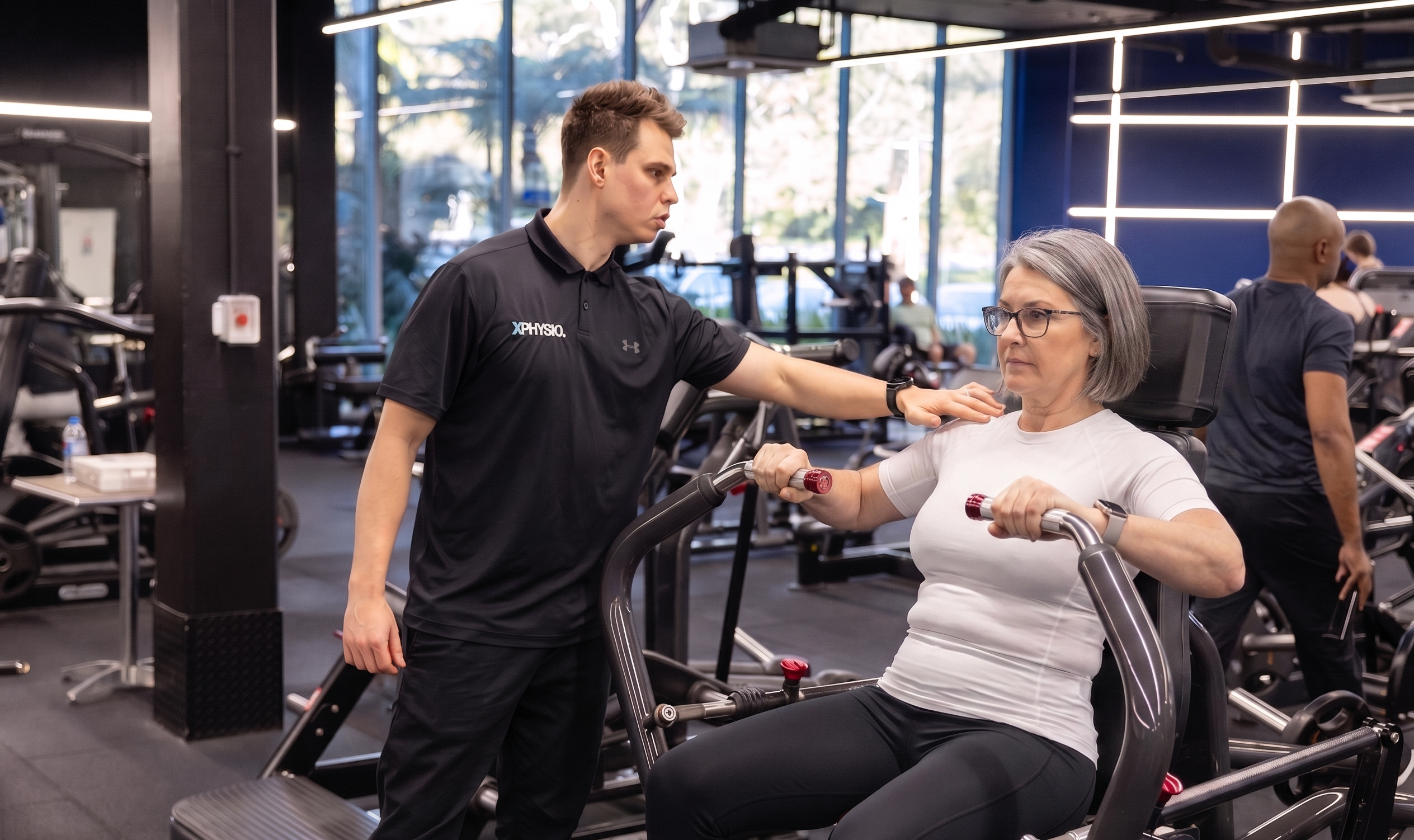
- Modifying gym exercises
This is where seeing a physio makes a big difference. Instead of guessing, you get a clear plan that keeps you moving safely.
If this sounds like what you’re dealing with, getting on top of it early with physio can make a huge difference.
Why Rest Alone Doesn’t Fix Anterior Knee Pain
This is something most blogs miss.
Rest might reduce pain temporarily—but it doesn’t improve strength, control, or load tolerance.
That means:
- You feel better → return to activity → pain comes back
We often see patients stuck in this cycle for months.
The key is active rehab, not just rest.
How Physio Treats Anterior Knee Pain
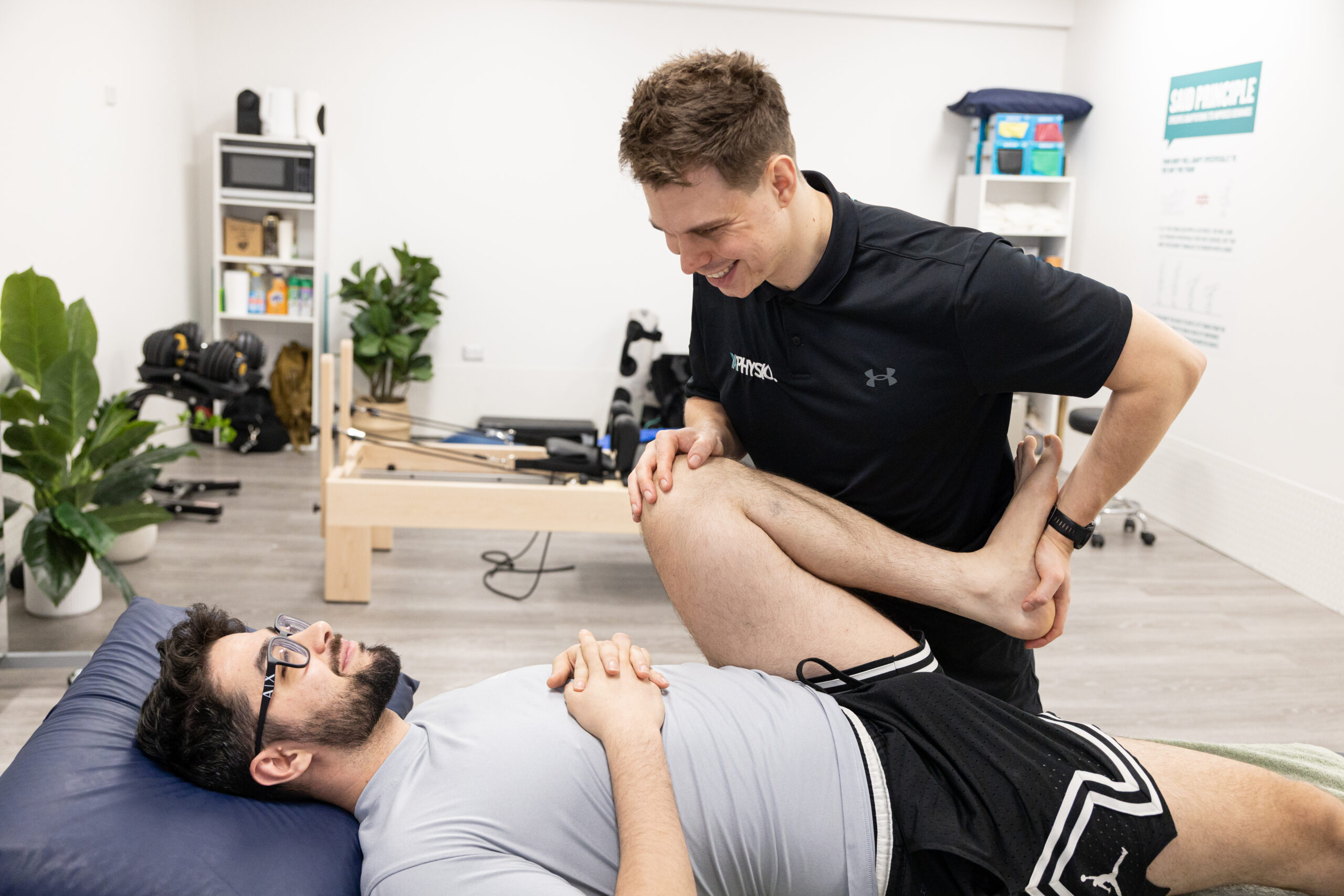
1. Assessment
We look at:
- Your movement patterns (especially squatting, stairs, running)
- Strength in the quads, glutes, and hips
- Load history and training habits
This helps identify the real cause—not just the symptoms.
2. Pain Reduction
Early on, we aim to settle irritation by:
- Modifying aggravating activities
- Taping if needed
- Adjusting exercise technique
3. Strength & Rehab
This is where real change happens.
Your program may include:
- Quad strengthening
- Glute and hip stability work
- Controlled loading exercises (step-ups, split squats)
In our experience, consistency here is what separates fast recoveries from lingering pain.
4. Return to Activity
We gradually build you back to:
- Running
- Gym training
- Sport
With better control and load tolerance than before.
Real Patient Example
We recently had a patient from Dee Why come into our Frenchs Forest clinic with ongoing knee pain going downstairs.
They had stopped running completely for 6 weeks, but the pain was still there.
After assessing them, we found:
- Weak glute control
- Poor knee tracking during step-downs
- Over-reliance on quads
We started a targeted strength program and adjusted their training load.
Within 2 weeks, stairs were significantly better. By 6 weeks, they were back running pain-free.
Most patients are surprised how quickly things improve when the right areas are addressed.
Common Mistakes
- Resting too long
Leads to weakness and recurring pain - Only treating the knee
Ignores the real driver (hips/glutes) - Pushing through sharp pain
Often makes symptoms worse - Skipping strength work
This is the key to long-term recovery - Returning to sport too quickly
Without proper progression
Recovery Time
Recovery varies depending on:
- How long symptoms have been present
- Activity levels
- Strength deficits
As a general guide:
- Mild cases: 2–4 weeks
- Moderate cases: 4–8 weeks
- Persistent cases: 8–12+ weeks
In our experience, patients who start physio early recover significantly faster.
Need Help with Anterior Knee Pain in Frenchs Forest?
If you’re dealing with anterior knee pain in Frenchs Forest or nearby areas, our physios can help you recover faster and prevent it from coming back.
Whether you’re a runner, gym-goer, or just struggling with stairs, we’ll create a plan tailored to you.
You can learn more about our approach to physio in Frenchs Forest here:
https://www.xphysio.com.au/
You might also find these helpful:
- Running injury treatment: https://www.xphysio.com.au/blog
- Knee pain rehab strategies: https://www.xphysio.com.au/blog
Give us a call today on 9806 3077, or book online, just CLICK HERE:
https://x-physio.au4.cliniko.com/bookings#service
FAQs
Why does my knee hurt more going downstairs than upstairs?
Going downstairs places more load through the kneecap, increasing stress on the joint and making symptoms more noticeable.
Is anterior knee pain serious?
Most cases are not serious and respond well to physiotherapy. It’s usually a load and strength issue rather than structural damage.
Should I wear a knee brace?
In some cases it can help short-term, but it doesn’t fix the underlying cause. Rehab is still essential.
Can running cause anterior knee pain?
Yes—especially if there’s a sudden increase in volume or poor movement control.
Will it go away on its own?
Sometimes mild cases settle, but most people find it returns without proper rehab.
References
- Australian Physiotherapy Association – Knee Pain Resources
- Sports Medicine Australia – Patellofemoral Pain Guidelines
- British Journal of Sports Medicine – Patellofemoral Pain Consensus Statement
- Journal of Orthopaedic & Sports Physical Therapy – Knee Pain Management
Give us a call today on 9806 3077, or book online, just CLICK HERE
https://x-physio.au4.cliniko.com/bookings#service