
73) Kneecap Dislocation: Physiotherapy’s Role in Healing
A kneecap dislocation can be painful, frightening, and frustrating — especially if it stops you from enjoying sport or even walking comfortably. The good news? With the right physiotherapy treatment, recovery is absolutely achievable. In this blog, we’ll break down causes, treatment, recovery timelines, and share a real success story from our Frenchs Forest clinic.
The Shock Factor: What is a Kneecap Dislocation?
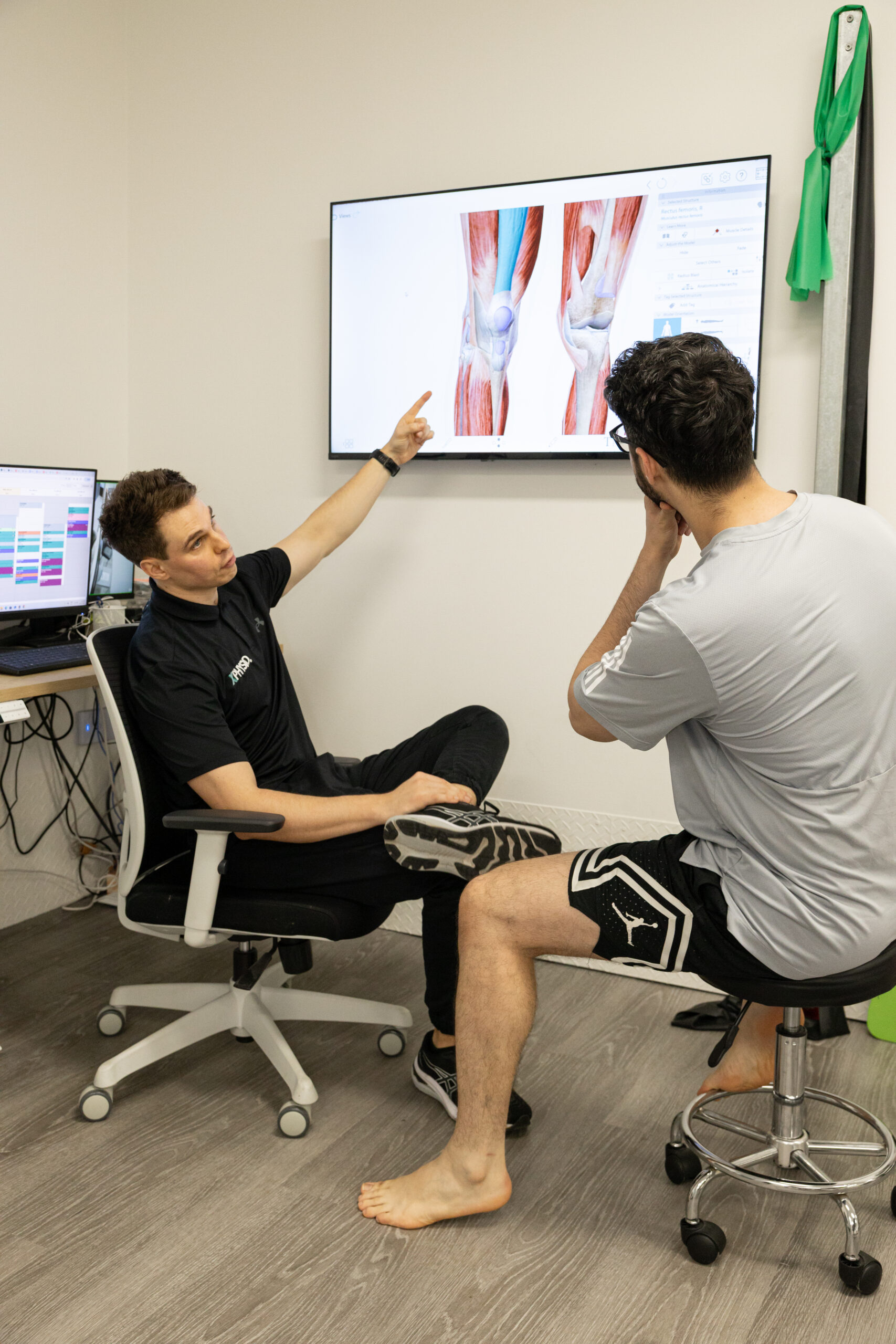
Your kneecap (patella) normally glides smoothly in a groove at the end of your thigh bone (femur). A dislocation happens when the kneecap is forced out of that groove — usually to the outside of the knee.
This can happen during sport, a sudden twist, a fall, or even a simple change of direction. While some kneecaps pop back in on their own, others require urgent medical care. Either way, proper physiotherapy afterwards is crucial to restore strength and prevent future dislocations.
Common Causes of Patella Dislocation
Kneecap dislocation isn’t random — it usually happens due to a mix of force and underlying risk factors:
- Sudden twisting or pivoting movements during sport
- Direct blow to the knee in contact sports
- Shallow or irregular patella groove (some people are born with higher risk anatomy)
- Weak quadriceps and hip muscles leading to poor patella tracking
- Previous dislocation — once it’s happened, the risk increases
- Loose ligaments (hypermobility), common in younger athletes and females
Symptoms You Shouldn’t Ignore
- Severe knee pain at the time of injury
- Visible deformity (kneecap sitting out of place)
- Swelling and bruising
- Difficulty walking or straightening the leg
- Instability or the feeling the knee might “give way” afterwards
The Role of Physiotherapy in Recovery
Physiotherapy is essential after a kneecap dislocation — even if the kneecap popped back into place without surgery. Without rehab, many patients are left with instability, weakness, or repeat dislocations.
Key Goals of Physiotherapy:
- Reduce pain and swelling
- Protect and stabilise the knee during early healing
- Restore movement of the joint
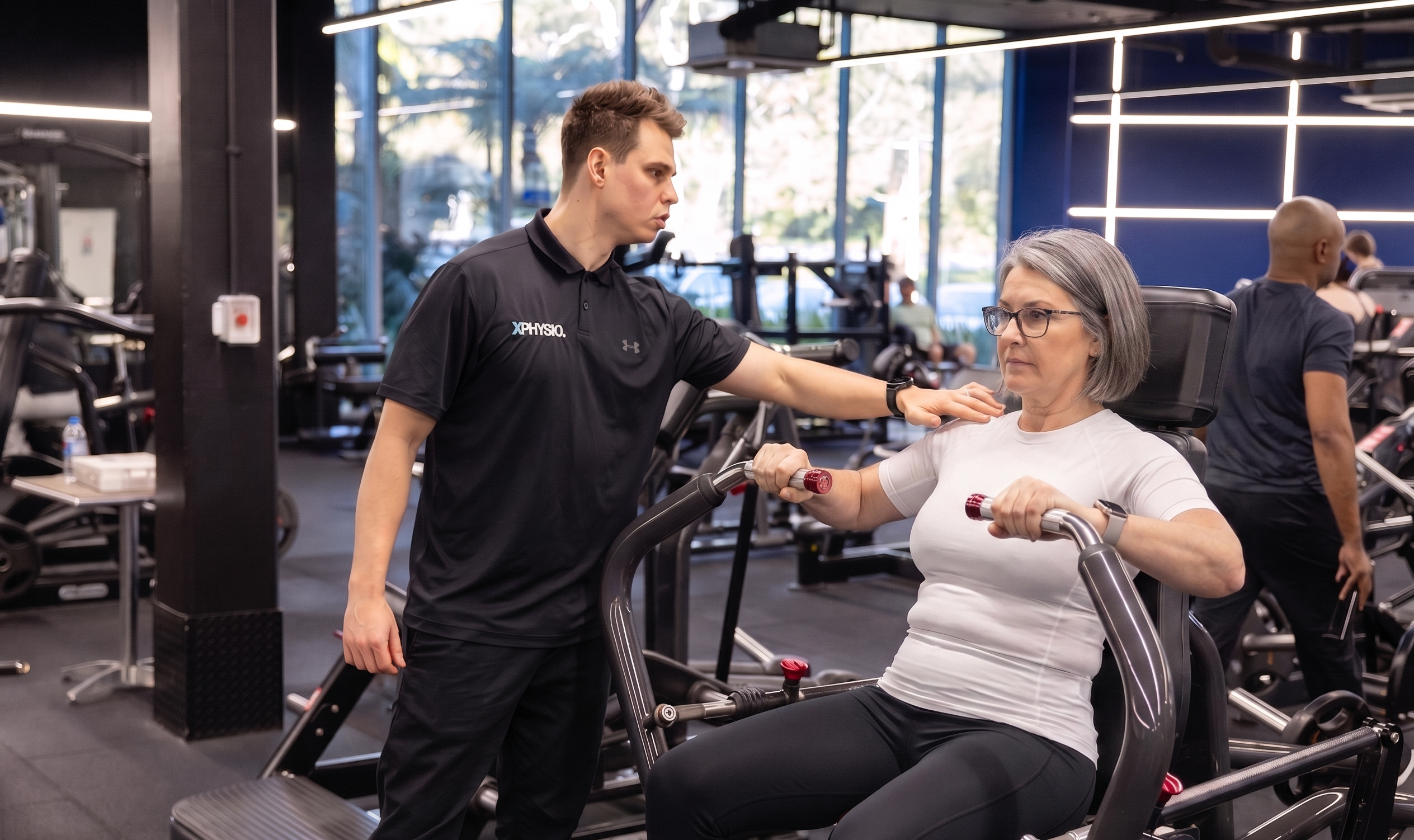
- Strengthen muscles around the knee and hips
- Retrain patella tracking to keep the kneecap moving correctly
- Return to sport safely with confidence

Step-by-Step Physio Treatment Plan
1. Acute Phase (0–2 weeks)
- RICE principles: rest, ice, compression, elevation
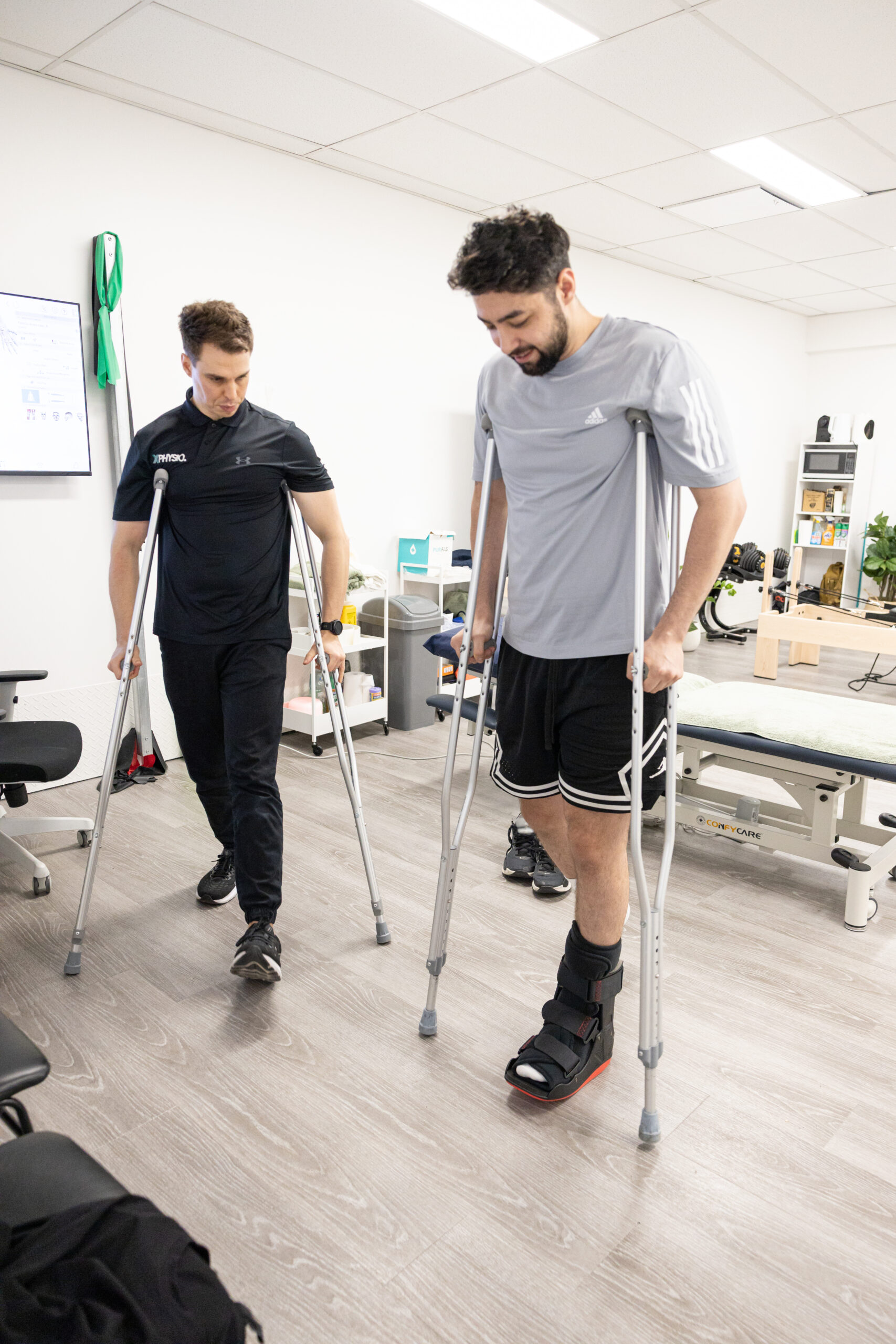
- Bracing: often after a dislocaiton, the patient is put into a zimmer splint which keeps their leg straight for two weeks
- Quadriceps activation (isometric quads sets)
- Manual therapy is focussed on keeping range of motion and swelling reduction
- Exercise therapy is used to keep surrounding muscles and the entire body strong
2. Early Rehabilitation (2–6 weeks)
- Gradual range-of-motion restoration
- Targeted strengthening of quads, hamstrings, and hips
- Balance and proprioception training
- Manual therapy for stiffness and swelling
3. Strength & Control Phase (6–12 weeks)
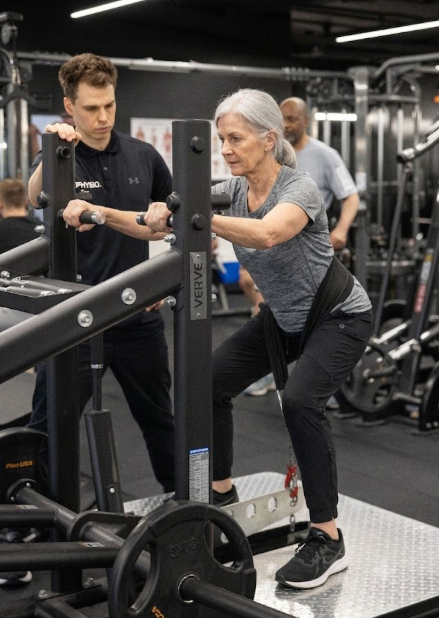
- Progress to functional strengthening: squats, step-downs, lunges
- Glute strengthening for knee alignment
- Patella tracking retraining with closed-chain exercises
- Controlled jogging (if pain-free and stable)
4. Sport-Specific Training (12+ weeks)
- Plyometrics (jumping, landing mechanics)
- Change of direction drills
- Sport simulations under physio guidance
- Preventive strategies for long-term knee stability
Do You Always Need Surgery?
Not always. Many first-time kneecap dislocations can be managed successfully with physiotherapy. Surgery is considered if:
- The kneecap fractures during dislocation
- There is severe cartilage damage
- The patient has repeated dislocations despite rehab
- Structural issues (very shallow patella groove)
Your physio will often work alongside your orthopaedic specialist to guide this decision.
Patient Story: “Sophie from Elanora Heights”
Sophie, a 17-year-old netballer from Elanora Heights, came to our Frenchs Forest clinic after her kneecap dislocated during a sudden change of direction. She was devastated, fearing she’d miss the season.
Her initial scans showed no fractures, so we began with protective bracing and gentle activation work. Over the following weeks, we focused on quad and glute strengthening, improving her balance, and teaching her safe movement patterns.
Within 10 weeks, Sophie was jogging again, and by 16 weeks she was back on the netball court — pain-free and with stronger knees than before. She’s now playing confidently with no repeat dislocations.
Common Mistakes After a Kneecap Dislocation
- Returning to sport too quickly without proper rehab
- Relying only on rest — leading to weakness and instability
- Ignoring hip and glute strength (critical for knee control)
- Skipping proprioception training (essential for preventing recurrence)
- Not addressing underlying anatomical risks with tailored treatment
Sample Strengthening Exercises
| Exercise | How to Do It | Benefit |
|---|---|---|
| Quad sets | Sit with leg straight, tighten thigh muscle pushing knee down | Activates quads early |
| Clamshells | Lie on side, knees bent, lift top knee | Strengthens glutes for knee stability |
| Step-downs | Slowly lower one leg off step | Improves knee control |
| Side band walks | Step sideways against band | Strengthens hips |
| Single-leg balance | Stand on one leg, hold balance | Trains proprioception |
Recovery Timeline
- 0–2 weeks: Pain and swelling management, often immobilised
- 2–6 weeks: Mobility and basic strength return
- 6–12 weeks: Functional strengthening, jogging reintroduced
- 12–16 weeks: Return to training and sport-specific drills
- 4–6 months: Full recovery and return to competitive sport (if all rehab steps followed)
If you have ongoing pain around the knee cap, it could be due to maltracking. Read more about this in our blog:
Understanding And Managing Kneecap Pain
Key Takeaways
- Kneecap dislocations are painful but very treatable with physiotherapy
- Early rehab prevents long-term instability and repeat injuries
- Strengthening quads, hips, and retraining patella control are essential
- Most patients can return to full sport in 3–6 months with structured rehab
- Don’t leave it to chance — structured physio makes the difference
👉 Give us a call today on 9806 3077, or book online — just CLICK HERE.
FAQs
Q: How long does it take to recover from a kneecap dislocation?
Most people recover in 3–6 months with physiotherapy, depending on severity and commitment to rehab.This can vary significantly.
Q: Can you walk after a kneecap dislocation?
Initially walking may be painful and unstable. With bracing and early physiotherapy, most patients regain normal walking within 2–4 weeks.
Q: Do all kneecap dislocations need surgery?
No — many are successfully managed with physiotherapy alone. Surgery is considered if repeat dislocations occur or structural damage is present.
Q: How can I stop it happening again?
Strengthening quads and glutes, improving balance, and correcting movement patterns with physiotherapy significantly reduce recurrence risk.
References & Further Reading
- Physiopedia: Patellar Dislocation physio-pedia.com
- Healthline: Kneecap Dislocation Guide healthline.com
- Cleveland Clinic: Patellar Dislocation my.clevelandclinic.org
- Sports Medicine Australia: Knee Injuries sma.org.au
- PhysioWorks: Patella Dislocation Rehab physioworks.com.au