
121) Heel Fat Pad Syndrome Treatment in Frenchs Forest | Physio Guide to Fast Recovery
Heel Fat Pad Syndrome Pain doesn’t always mean plantar fasciitis — and getting the diagnosis wrong means the treatment won’t work. If your heel pain feels like you’re walking on a bruise, especially first thing in the morning or after being on your feet all day, heel fat pad syndrome could be the real culprit. Here’s what it is, why it happens, and how our physios in Frenchs Forest treat it.
Heel Fat Pad Syndrome Treatment in Frenchs Forest
At X Physio in Frenchs Forest, NSW, heel fat pad syndrome is one of those conditions we see regularly — and one that’s regularly misdiagnosed. We treat a wide range of patients dealing with this: running groups from Forestville, tradies and construction workers who spend long hours on hard surfaces, teachers, retail workers, and anyone who’s recently ramped up their activity levels.
It might surprise you to hear that this condition can look almost identical to plantar fasciitis from the outside — but the treatment approach is quite different. Getting the right diagnosis early is what separates a quick recovery from months of ongoing discomfort.
If you think you might be dealing with heel fat pad syndrome in Frenchs Forest or the surrounding area, our team is here to help you get back on your feet faster. You can also explore our physio in Frenchs Forest services to learn more about what we offer.
What Is Heel Fat Pad Syndrome?
Under your heel sits a specialised cushion of fat — nature’s built-in shock absorber. It’s made up of tightly packed fat cells held together by fibrous tissue, and it’s designed to take the massive forces your heel experiences with every step.
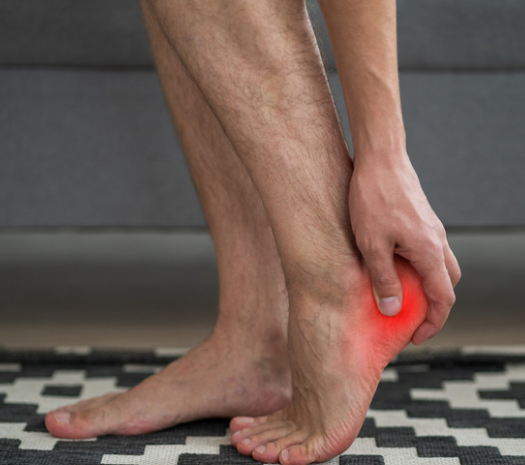
Heel fat pad syndrome occurs when this cushion becomes damaged, thinned, or displaced. When that happens, the heel bone (calcaneus) no longer has adequate protection, and the result is a deep, aching, bruised sensation in the centre of your heel.
Unlike plantar fasciitis, which tends to hurt at the inner edge of the heel and along the arch, fat pad pain sits smack in the middle of the heel and tends to be more persistent throughout the day rather than easing as you warm up.
Symptoms of Heel Fat Pad Syndrome
- Deep, aching or bruised pain in the centre of the heel
- Pain that worsens with prolonged standing, walking on hard floors, or going barefoot
- Tenderness when pressing directly on the middle of the heel
- Discomfort in shoes with thin soles or no cushioning
- Pain that doesn’t improve much after warming up (unlike plantar fasciitis)
- A sensation of “walking on bone”
What Causes It?
General Causes
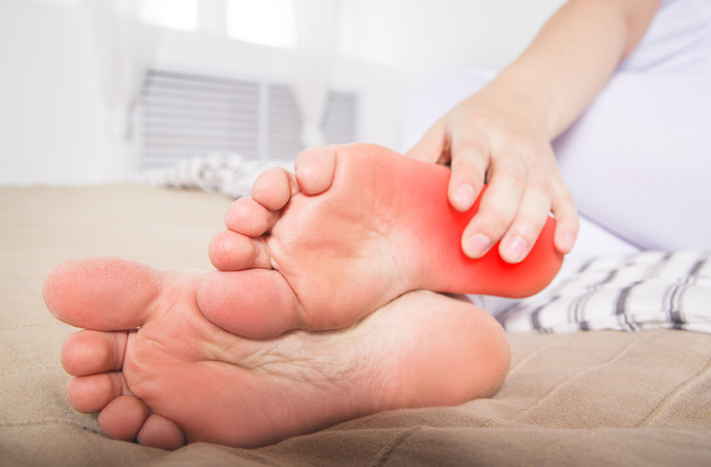
Heel fat pad syndrome usually comes down to one of a few common factors: repetitive impact loading, a sudden increase in activity on hard surfaces, advancing age (the fat pad naturally thins over time), carrying extra body weight, or wearing shoes that simply don’t offer enough heel cushioning.
What We See in Our Clinic
In our experience, the most common cause we see is a combination of hard surfaces and inadequate footwear. We’ll often have a patient come in convinced they have plantar fasciitis, and when we assess them properly, it becomes clear the pain is sitting dead-centre on the heel — not along the fascia at all.
A mistake we often see is patients self-treating with heel stretches and calf exercises — which are the right treatment for plantar fasciitis — but doing nothing for the fat pad itself. That’s weeks of treatment that doesn’t address the actual problem.
Most patients are surprised that age plays such a significant role. The fat pad loses elasticity and thickness as we get older, which is why we see this more frequently in patients over 40, even in those who haven’t dramatically changed their activity.
We also see it pop up frequently in people who’ve recently switched to minimalist shoes or started barefoot-style training without a proper transition period. The heel just isn’t ready for that level of impact exposure.
If this sounds like what you’re dealing with, getting on top of it early with physio can make a huge difference — the sooner the load is managed, the less damage accumulates in the fat pad tissue.
Can You Keep Training?
The short answer: it depends — but pushing through without modification is almost always a mistake.
For most people, complete rest isn’t necessary and can actually slow recovery. But continuing to train at the same volume on the same surfaces without addressing footwear, load, and technique? That will keep the fat pad irritated and extend your recovery considerably.
The smarter option is working with a physio who can help you modify your training to keep you moving while the fat pad recovers. We do this regularly with runners and gym-goers who simply can’t — or won’t — stop entirely. There’s usually a version of your training we can keep you doing while we manage the heel.
How Physio Treats Heel Fat Pad Syndrome
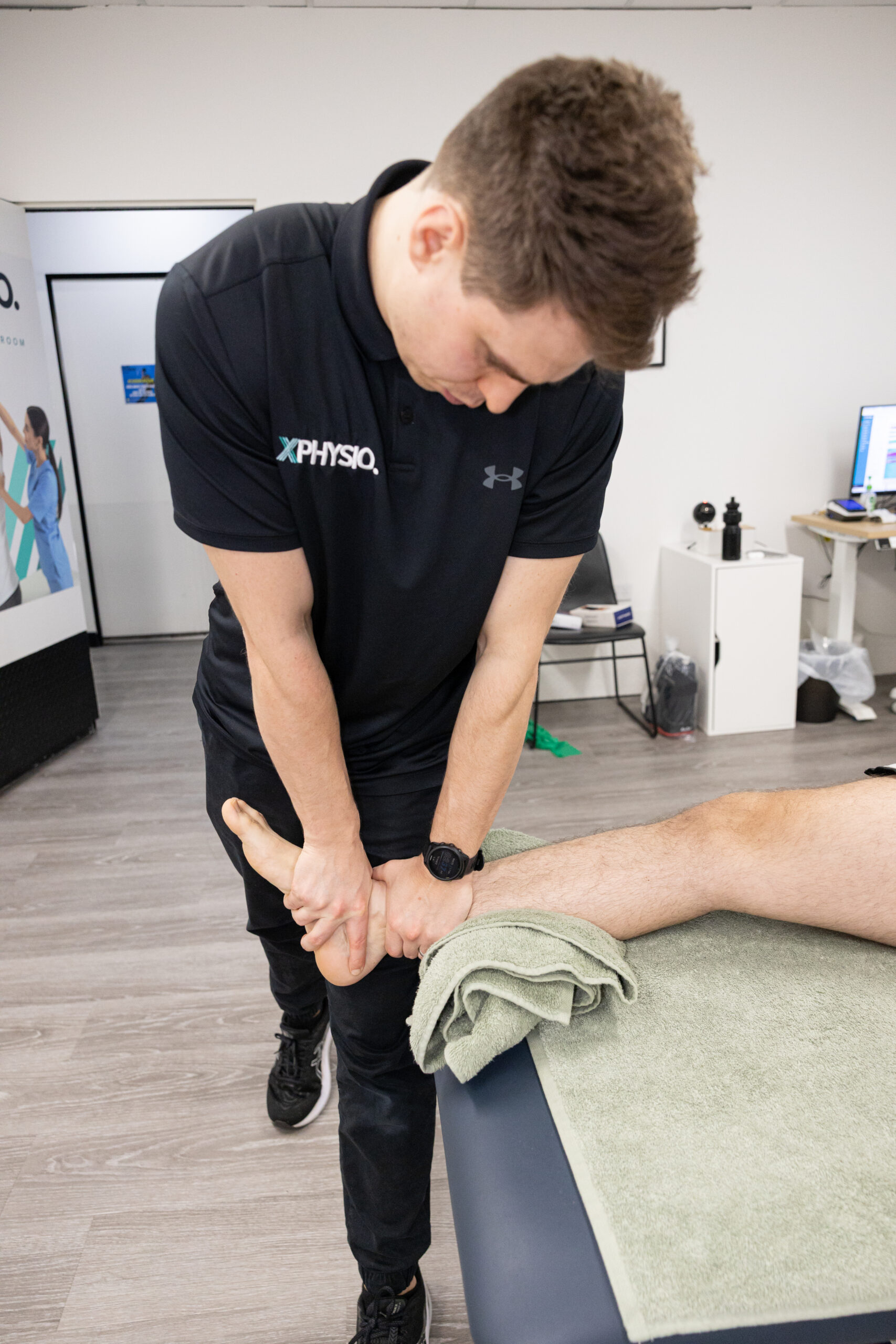
Step 1: Assessment We start by confirming the diagnosis. This means assessing exactly where the pain is, what aggravates it, your footwear, your activity levels, and your loading patterns. In some cases, we may recommend imaging to rule out other causes of heel pain.
Step 2: Pain Reduction Early treatment focuses on offloading the fat pad. This typically includes heel cushioning and padding, footwear advice, activity modification, and in some cases taping techniques that help reposition the fat pad under the heel bone to restore its protective function.
Step 3: Strength and Rehabilitation Once pain is under control, we work on the surrounding structures. This includes foot intrinsic strengthening, calf and lower limb loading work, and addressing any biomechanical factors (like gait or foot posture) that may be contributing to excessive heel loading.
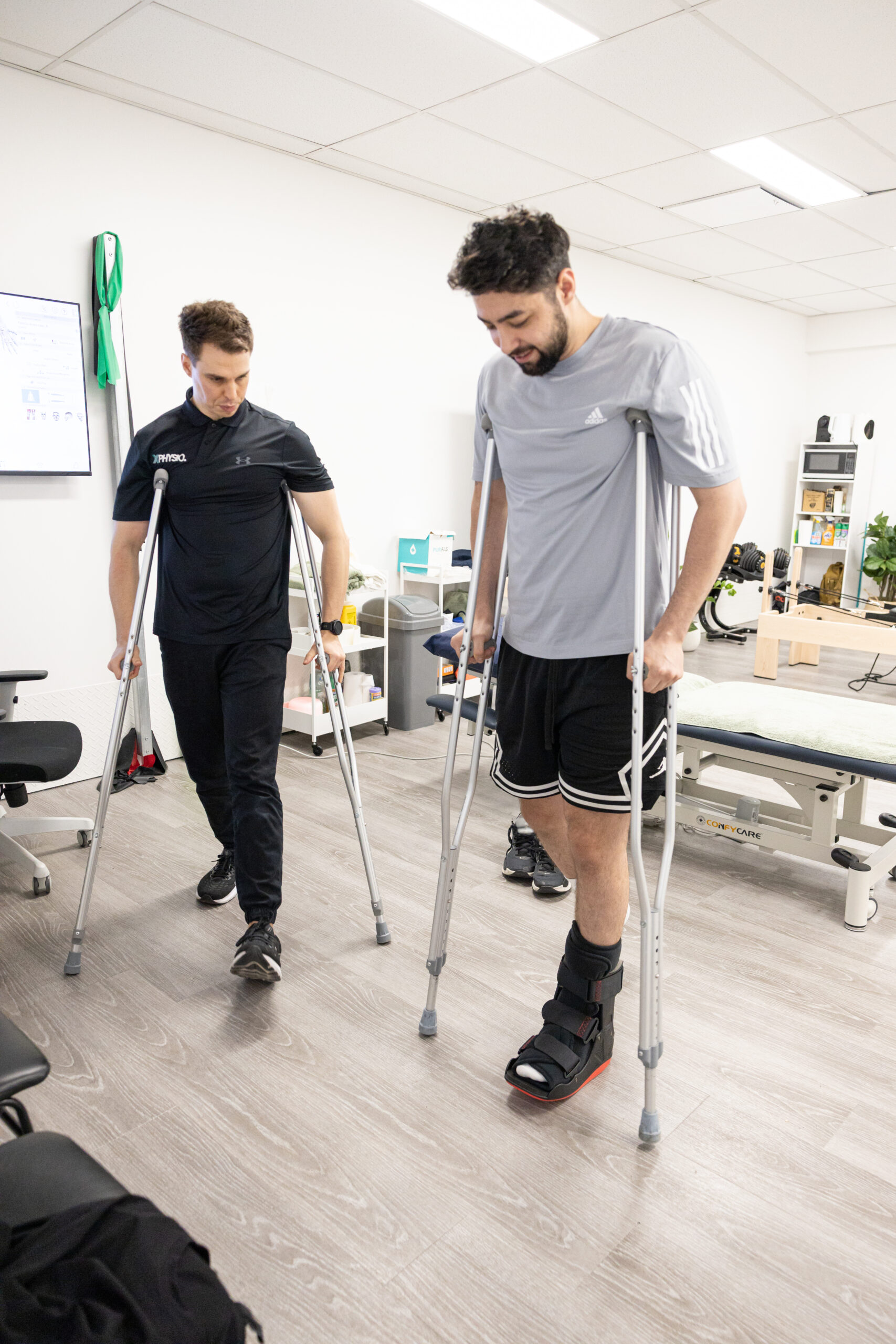
Step 4: Return to Activity We build a gradual return-to-activity plan tailored to your goals — whether that’s getting back to running, returning to work, or simply being able to walk around without wincing. Surface exposure and footwear are reintroduced progressively to avoid flare-ups.

Why Rest Alone Won’t Fix It
This is something most general advice gets wrong. Rest reduces pain — but it doesn’t restore the structural integrity of the fat pad. If the tissue has been damaged or displaced, passive rest doesn’t fix the underlying issue.
What actually makes a lasting difference is a combination of appropriate load management (not zero load), footwear optimisation, and progressive strengthening of the surrounding structures to better share the impact forces. We often see patients who’ve rested for weeks, felt better, gone back to their normal activities, and immediately relapsed — because nothing had actually changed in how the heel was being loaded.
A Real Patient Example
We recently treated a patient who came to us from Belrose after weeks of heel pain that her GP had labelled as plantar fasciitis. She’d been stretching and icing with no improvement.
When we assessed her, the pain was centralised on the heel — not along the arch — and pressing on the fat pad reproduced her symptoms immediately. She was also a keen walker who’d recently started doing longer distances on footpaths in flat, unsupportive shoes.
We used a combination of heel padding and taping in the short term to offload the fat pad, gave her clear footwear guidance, and progressed her through a foot strengthening programme over six weeks. By the end, she was back to her long walks pain-free — and understood exactly what to look for if symptoms started creeping back.
Common Mistakes People Make
1. Treating it like plantar fasciitis The two conditions can feel similar, but the treatment is different. Fascia stretches and arch massage won’t help a damaged fat pad.
2. Going barefoot to “let it breathe” Without cushioning, the heel bone takes even more direct impact. Barefoot walking on hard floors is one of the worst things you can do during a flare-up.
3. Relying on rest without rehab Pain settles with rest, but the fat pad hasn’t recovered. Jumping back into normal activity without rehab is a fast track to relapse.
4. Ignoring footwear Thin-soled, worn-out, or unsupportive shoes are often the biggest contributor. This is one of the easiest things to fix and one of the most commonly overlooked.
5. Waiting too long to get it assessed The longer you load a damaged fat pad without intervention, the more the tissue degrades. Early management leads to faster, more complete recovery.
How Long Does Recovery Take?
Honestly, it varies — and we’d rather give you a realistic picture than an overly optimistic one.
Mild cases with early intervention can settle within 4–6 weeks, particularly when footwear is sorted quickly and activity is appropriately modified.
More established cases — where the fat pad has been loaded heavily for months — can take 3–6 months of consistent management. In older patients where fat pad thinning is a significant factor, ongoing footwear and cushioning management may be a long-term strategy rather than a short-term fix.
What we can tell you is that patients who engage with physio early, follow the footwear advice, and commit to the rehab exercises consistently get better outcomes. Those who try to push through without any changes tend to drag it out.

Book Your Heel Pain Assessment in Frenchs Forest
If you’re dealing with heel fat pad syndrome in Frenchs Forest or nearby suburbs like Belrose, Forestville, Davidson, or Killarney Heights, our physios can help you get a clear diagnosis and a treatment plan that actually addresses the cause.
You might also find our article on running injury treatment useful if you’re a runner trying to understand what’s going on with your heel.
Give us a call today on 9806 3077, or book online, just CLICK HERE.
Frequently Asked Questions
Is heel fat pad syndrome the same as plantar fasciitis? No — they’re two separate conditions that can feel similar. Plantar fasciitis involves inflammation of the connective tissue along the arch and inner heel edge, while heel fat pad syndrome involves damage or thinning of the cushioning pad directly under the heel bone. Treatment for each condition is quite different, which is why getting the right diagnosis matters.
How do I know if I have heel fat pad syndrome? The most telling signs are deep, central heel pain that feels like bruising, pain that doesn’t ease as you warm up, and significant discomfort walking barefoot on hard surfaces. A physio can confirm the diagnosis through clinical assessment and, if needed, imaging.
Can I still exercise with heel fat pad syndrome? In most cases, yes — with modifications. Complete rest is rarely necessary and can actually slow your recovery. A physio can help you identify what you can continue doing safely while the heel is managed.
Does it go away on its own? Minor cases may settle with footwear changes and rest, but without addressing the underlying causes — load, footwear, and foot strength — recurrence is common. Physio helps you get to the root of the problem and reduce the chances of it coming back.
What’s the best footwear for heel fat pad syndrome? Shoes with firm heel cushioning and good overall support are generally recommended. We advise patients to avoid flat, thin-soled shoes, worn-out trainers, and going barefoot on hard surfaces during recovery. Our physios can give you specific footwear guidance based on your feet and lifestyle.
How many physio sessions will I need? This depends on the severity and how long the issue has been present. Mild cases may only need 3–4 sessions alongside a home exercise programme, while more established cases may require 8–12 sessions over several months. We’ll give you a clearer timeframe after your initial assessment.
Give us a call today on 9806 3077, or book online, just CLICK HERE.
References
- Wearing, S.C. et al. (2014). “Plantar fasciitis and the windlass mechanism: A biomechanical link to clinical practice.” Journal of Athletic Training.
- Prichasuk, S. (1994). “The heel pad in plantar heel pain.” Journal of Bone and Joint Surgery.
- Australian Physiotherapy Association – www.choose.physio
- Sports Medicine Australia – www.sma.org.au
- Healthdirect Australia – Heel Pain Overview – www.healthdirect.gov.au