
122) Menopausal Hormone Therapy Treatment in Frenchs Forest | Physio Guide to Fast Recovery
Menopausal hormone therapy (MHT) can be life-changing for many women—but it’s not the full solution on its own. If you’re dealing with joint pain, stiffness, or reduced strength during menopause, physiotherapy plays a key role in helping you feel like yourself again.
Menopausal Hormone Therapy Treatment in Frenchs Forest
At our physiotherapy clinic in Frenchs Forest NSW, we regularly work with women navigating menopause and the effects of hormonal changes on their bodies.
We see a wide range of patients—busy professionals, active mums, runners, and women returning to exercise after years away. Many come in frustrated with aches and pains that “came out of nowhere.”
If you’re searching for menopausal hormone therapy Frenchs Forest, it’s important to understand how physiotherapy fits into the bigger picture of your recovery and long-term health.

What Is Menopausal Hormone Therapy?
Menopausal hormone therapy (MHT), also known as hormone replacement therapy (HRT), involves taking oestrogen (and sometimes progesterone) to help manage symptoms of menopause.
These symptoms can include:
- Hot flushes
- Sleep disturbances
- Mood changes
- Joint and muscle pain
- Reduced bone density
While MHT helps regulate hormonal changes, it doesn’t directly address strength, mobility, or movement patterns—which is where physiotherapy becomes essential.
Common Symptoms We See
From a physio perspective, menopause-related issues often present as:
- Joint pain (especially knees, hips, and shoulders)
- Morning stiffness
- Reduced strength and muscle tone
- Increased injury risk
- Tendon pain (e.g. Achilles, glute, shoulder)
- Fatigue impacting activity levels
What Causes These Symptoms?
A. General Causes
Menopause brings several physical changes:
- Reduced oestrogen: Impacts muscle and tendon health
- Bone density changes: Increased fracture risk
- Muscle loss: Natural decline in strength
- Recovery changes: Slower healing and adaptation
B. Clinic Insights
In our experience, the most common issue we see isn’t just “getting older”—it’s a sudden drop in strength and load tolerance that isn’t being addressed.
A mistake we often see is women stopping exercise altogether because of pain or fatigue. While understandable, this actually accelerates weakness and stiffness.
Most patients think hormone therapy will fix everything. It definitely helps—but without strength training and movement work, symptoms often persist.
We also see many women under-loading their bodies. They stick to light walking but avoid strength work, which is exactly what the body needs most during this stage.

Can You Keep Training?
Yes—and you absolutely should.
With the right guidance, exercise is one of the most effective ways to manage menopause symptoms.
That said, it needs to be:
- Structured
- Progressive
- Appropriate for your current capacity
This is where physiotherapy helps bridge the gap between “just exercising” and actually improving your body.
If this sounds like what you’re dealing with, getting on top of it early with physio can make a huge difference.
Why Hormone Therapy Alone Isn’t Enough
This is something many people don’t realise.
MHT can:
- Improve symptoms
- Support bone health
- Help with overall wellbeing
But it doesn’t:
- Build strength
- Improve movement
- Restore joint control
We often see patients who feel better hormonally—but still struggle physically.
The best outcomes come from combining medical management + targeted physio rehab.
How Physio Helps During Menopause
1. Assessment
We look at:
- Strength levels
- Movement patterns
- Joint mobility
- Activity history
This gives us a clear picture of where your body is currently at.
2. Pain Reduction
We help settle symptoms through:
- Load management
- Exercise modification
- Manual therapy if needed
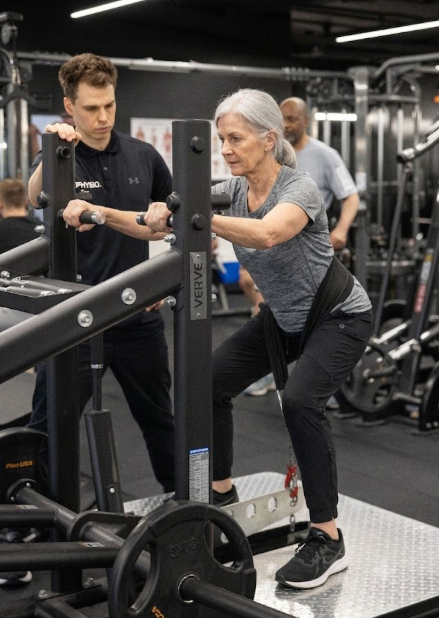
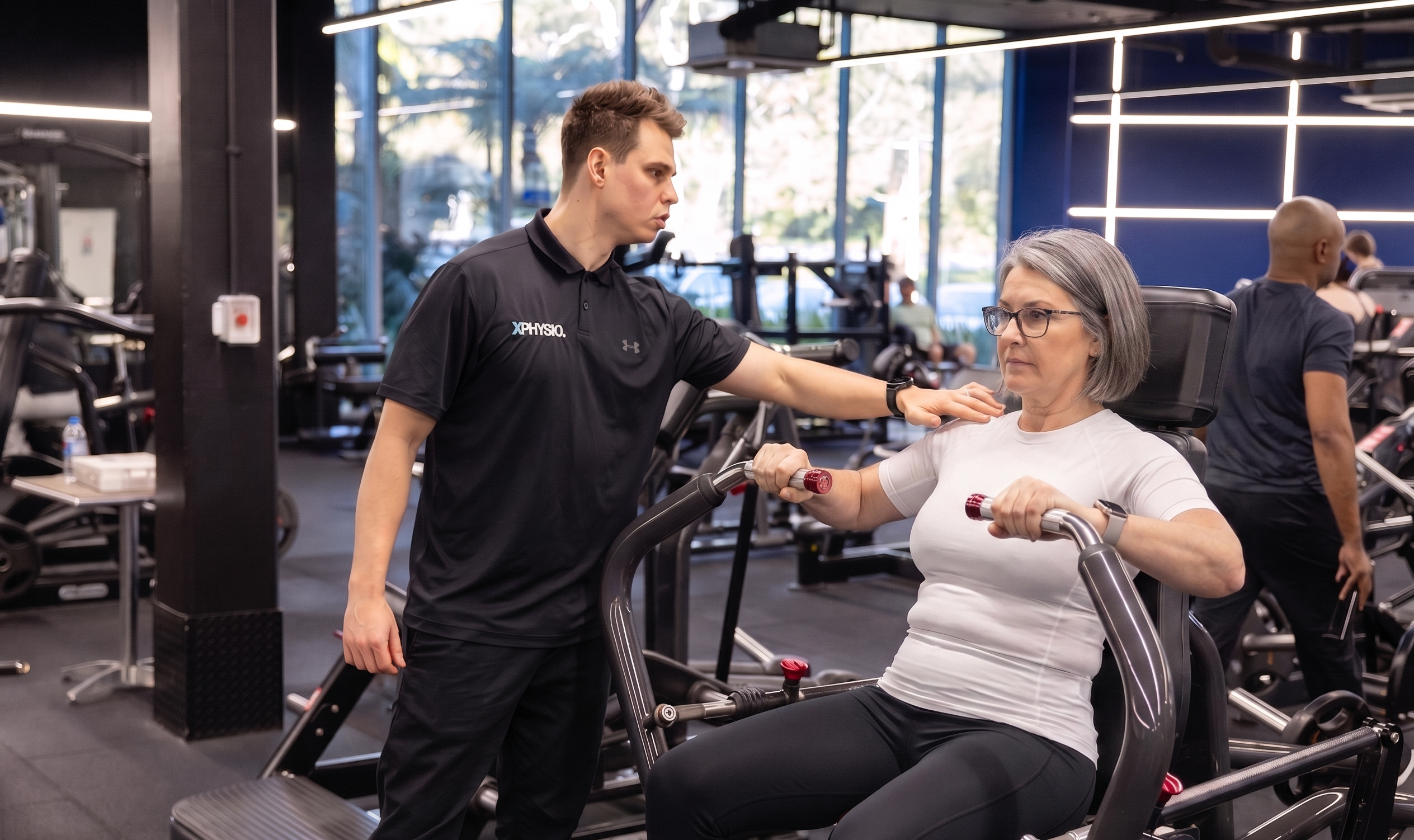
3. Strength & Rehab
This is the most important stage.
Your program may include:
- Resistance training (key for bone and muscle health)
- Tendon loading exercises
- Core and pelvic stability work
In our experience, women are often surprised at how strong they can get—even starting later in life.
4. Return to Activity
Whether your goal is:
- Gym training
- Running
- Pilates
- Simply moving without pain
We gradually build you back with confidence.

Real Patient Example
We recently worked with a patient from Narrabeen who came into our Frenchs Forest clinic struggling with widespread joint pain and fatigue during menopause.
She had started menopausal hormone therapy, which helped her sleep and energy—but her knee and hip pain were still limiting her exercise.
On assessment, we found:
- Significant strength loss in glutes and quads
- Poor control with functional movements
- Low confidence with loading
We introduced a structured strength program and gradually increased her activity.
Within 4 weeks, her pain had reduced significantly. By 8 weeks, she was back to regular gym sessions and feeling stronger than she had in years.
Most patients are surprised how much better they feel when strength is properly addressed.
Common Mistakes
- Relying only on hormone therapy
It helps—but doesn’t replace strength training - Avoiding strength exercises
This is the most important tool during menopause - Doing too little
Light activity alone often isn’t enough - Stopping when pain starts
Leads to a cycle of deconditioning - Following generic programs
Not tailored to individual needs
Recovery Time
Recovery varies depending on:
- Current strength levels
- Severity of symptoms
- Consistency with exercise
As a guide:
- Initial improvements: 2–4 weeks
- Noticeable strength gains: 4–8 weeks
- Long-term change: 8–12+ weeks
In our experience, consistency is far more important than intensity.
Need Help with Menopausal Hormone Therapy in Frenchs Forest?
If you’re dealing with menopause-related pain or weakness in Frenchs Forest or nearby areas, our physios can help you build strength, reduce pain, and feel confident in your body again.
We take a personalised approach that works alongside your medical care.
Learn more about physio in Frenchs Forest here:
https://www.xphysio.com.au/
You may also find these helpful:
- Strength training for injury prevention: https://www.xphysio.com.au/blog
- Managing joint pain effectively: https://www.xphysio.com.au/blog
Give us a call today on 9806 3077, or book online, just CLICK HERE:
https://x-physio.au4.cliniko.com/bookings#service
FAQs
Does menopausal hormone therapy help joint pain?
It can help reduce symptoms, but it doesn’t address strength or movement—physio is still important.
Is strength training safe during menopause?
Yes, and it’s highly recommended. It helps maintain bone density, muscle mass, and joint health.
Why do my joints feel stiff during menopause?
Hormonal changes affect joint tissues, making them more sensitive and less resilient.
Can physio help with menopause symptoms?
Absolutely—especially for joint pain, strength loss, and returning to exercise safely.
How often should I exercise during menopause?
Most people benefit from 2–4 strength sessions per week, depending on their starting point.
References
- Australasian Menopause Society – Hormone Therapy Guidelines
- Australian Physiotherapy Association – Women’s Health Resources
- Sports Medicine Australia – Exercise Recommendations
- Journal of Bone and Mineral Research – Menopause & Bone Health
Give us a call today on 9806 3077, or book online, just CLICK HERE
https://x-physio.au4.cliniko.com/bookings#service