
123) Delayed Onset Muscle Soreness (DOMS) Treatment in Frenchs Forest | Physio Guide to Recovery
If you’ve ever started a new gym program, gone for a long run, or tackled a challenging hike only to wake up sore the next day, you’ve probably experienced delayed onset muscle soreness (DOMS). Although it’s a normal response to exercise, understanding the difference between healthy muscle soreness and an injury can help you recover more effectively and get back to doing what you enjoy.
Delayed Onset Muscle Soreness Treatment in Frenchs Forest
At X Physio in Frenchs Forest, NSW, we regularly assess people experiencing muscle soreness after exercise. Whether you’re a runner training for your next event, a gym enthusiast increasing your weights, a tradie returning to work after the weekend, or someone beginning their fitness journey, delayed onset muscle soreness is something we see every week.
Many patients worry they’ve injured themselves when they’re simply experiencing a normal response to exercise. Others assume severe soreness is something they just have to push through. Our role is to help you understand what’s happening, recover efficiently, and identify when soreness may actually indicate an injury requiring treatment.
What Is Delayed Onset Muscle Soreness?
Delayed onset muscle soreness, commonly called DOMS, is the muscle discomfort that develops after unfamiliar or high-intensity exercise. Unlike the burning sensation you feel during exercise, DOMS usually develops 12 to 24 hours afterwards, peaks between 24 and 72 hours, and gradually settles over the following few days.
DOMS occurs because exercise creates tiny microscopic changes within muscle fibres. Your body then repairs these tissues, making the muscles stronger and better prepared for future exercise. While soreness can be uncomfortable, it’s usually a normal part of adapting to new physical demands.
Common Symptoms of DOMS
Typical symptoms include:
- Muscle tenderness when touched
- Stiffness after sitting or resting
- Reduced flexibility
- Temporary muscle weakness
- Pain when using the affected muscles
- Difficulty walking downstairs after a heavy leg workout
- Mild swelling in the affected muscles
- Symptoms beginning 12–24 hours after exercise
What Causes Delayed Onset Muscle Soreness?
General Causes
Several factors increase the likelihood of developing DOMS.
New exercise programs
Starting an exercise routine after a period of inactivity commonly leads to muscle soreness.
Sudden increases in training load
Running further, lifting heavier weights, or increasing training frequency can all trigger DOMS.
Eccentric exercise
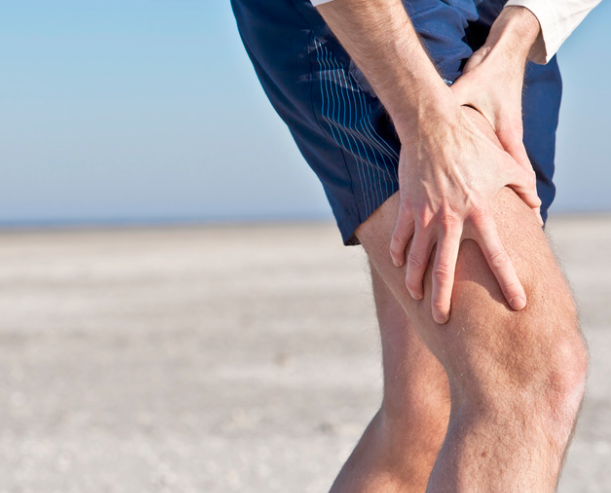
Movements where muscles lengthen under load, such as lowering into a squat or running downhill, are particularly likely to cause soreness.
Returning after a break
Even experienced athletes often develop DOMS after time away from training.
Insights From Our Clinic
In our experience, the biggest mistake people make is assuming soreness always means they’ve had a “good workout.”
While some muscle soreness is perfectly normal, excessive soreness that prevents normal movement for several days usually means training progressed too quickly.
We often see patients who dramatically increase their exercise after months of inactivity because they’re highly motivated. Unfortunately, this often leads to significant soreness that discourages them from continuing.
Most patients are surprised that fitter people still experience DOMS. Being fit doesn’t eliminate it—it simply means your body adapts more efficiently to familiar activities.
Another common misconception is that stretching prevents DOMS. While stretching can improve flexibility, research shows it has only a minimal effect on preventing muscle soreness.

Can You Keep Training?
Usually, yes—but it depends on how sore you are.
If your soreness is mild and your movement quality remains good, light activity often helps improve circulation and reduce stiffness. Walking, cycling, swimming or gentle mobility exercises can all be beneficial.
If your muscles are extremely sore, affecting your technique or making normal daily activities difficult, it’s usually worth reducing the intensity for a few days while your muscles recover.
In our experience, complete rest is rarely necessary. Instead, modifying your training while staying active often leads to a quicker recovery.
If this sounds like what you’re dealing with, getting on top of it early with physio can make a huge difference.
Why Rest Alone Doesn’t Always Help
One of the biggest myths surrounding DOMS is that you should avoid all activity until you’re completely pain-free.
In reality, gentle movement often improves recovery by promoting blood flow and reducing stiffness.
What we often recommend includes:
- Easy walking
- Light cycling
- Gentle mobility exercises
- Low-intensity strength work for unaffected muscles
- Gradually returning to normal training
The goal isn’t to push through severe pain but to keep your body moving while allowing muscles time to recover.

How Physiotherapy Can Help
Assessment
We begin by determining whether you’re experiencing normal delayed onset muscle soreness or whether there’s an underlying muscle strain, tendon injury or joint problem.
We’ll discuss:
- Your training history
- Recent changes in activity
- Your symptoms
- Movement quality
- Muscle strength
- Flexibility
Pain Management
If symptoms are severe, treatment may include:
- Soft tissue massage
- Gentle mobility exercises
- Recovery advice
- Load modification
- Education about expected recovery
Strength & Rehabilitation
If recurring soreness is limiting your progress, we’ll help identify why.
This may involve:
- Improving movement technique
- Progressive strength training
- Load management
- Exercise programming
- Recovery strategies
Return to Activity
Once symptoms settle, we help you safely return to:
- Running
- Gym training
- Sport
- Work
- Recreational activities
The aim is to reduce the chance of excessive soreness recurring while continuing to improve your fitness.
A Patient Story
A patient from Belrose recently visited our Frenchs Forest clinic after starting a new high-intensity gym program.
Following their first lower-body session, they developed significant thigh soreness and struggled walking downstairs for nearly four days. They were worried they had torn a muscle.
After assessment, we confirmed their symptoms were consistent with delayed onset muscle soreness rather than a muscle injury.
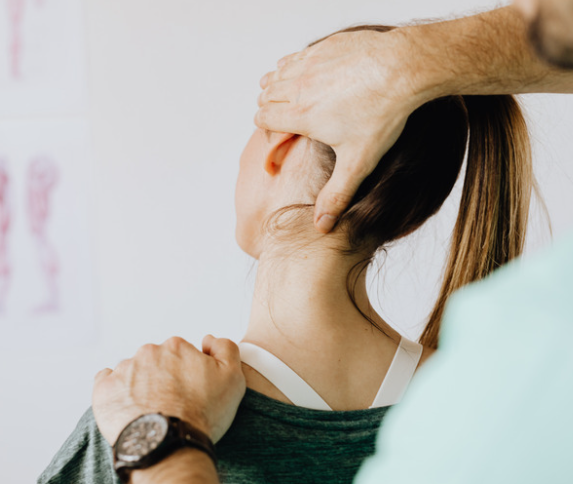
We provided education, gentle manual therapy, recovery exercises and helped modify their training program. They continued exercising with lower intensity before gradually progressing over the following weeks.
By pacing their progression more appropriately, they were able to continue training consistently without experiencing the same severe soreness again.
Common Mistakes
Doing too much too soon
Large increases in training volume commonly trigger excessive DOMS.
Skipping warm-ups
While warm-ups don’t completely prevent soreness, they prepare muscles for exercise.
Avoiding all movement
Complete rest often prolongs stiffness.
Ignoring recovery
Sleep, hydration and nutrition all influence recovery.
Thinking soreness equals progress
Consistent training produces better long-term results than occasional extremely hard sessions.
How Long Does DOMS Last?
For most people:
- Symptoms begin 12–24 hours after exercise.
- Peak soreness occurs between 24–72 hours.
- Most recover within 3–5 days.
- More intense exercise may cause symptoms lasting up to a week.
If pain develops immediately during exercise, involves significant swelling or bruising, or continues beyond one week without improvement, it’s worth having the area assessed to rule out an injury.
When Should You See a Physio?
Although DOMS is normal, it’s worth seeking an assessment if:
- Pain began suddenly during exercise
- You heard or felt a pop
- You have severe swelling or bruising
- Symptoms continue worsening after several days
- You’re unable to return to your usual activities
- You’re repeatedly experiencing excessive soreness after every workout
Helping You Recover in Frenchs Forest
If you’re experiencing delayed onset muscle soreness in Frenchs Forest or nearby suburbs such as Forestville, Belrose, Davidson, Killarney Heights, Allambie Heights or Beacon Hill, our physiotherapists can help determine whether you’re dealing with normal muscle soreness or an injury that requires treatment.
We can also help you improve your training program so you recover more efficiently and continue making progress safely.
You can learn more about our physio in Frenchs Forest services at:
https://xphysio.com.au/services/
You may also enjoy reading more about running injuries and other rehabilitation topics on our blog:
Frequently Asked Questions
Is delayed onset muscle soreness a good sign?
Not necessarily. Mild soreness can indicate your muscles are adapting to a new challenge, but severe soreness isn’t required for progress.
Should I massage sore muscles?
Massage may temporarily reduce discomfort and improve movement, although it doesn’t dramatically speed muscle healing.
Does stretching prevent DOMS?
Research suggests stretching has little effect on preventing DOMS, although it may help improve flexibility and comfort.
Can I exercise with DOMS?
Yes, provided soreness is mild and your movement quality remains good. Light activity is often beneficial.
How can I reduce muscle soreness after exercise?
Gradually increase training loads, prioritise sleep, stay hydrated, eat adequate protein and include recovery days in your program.
References
- Australian Physiotherapy Association – https://australian.physio
- Sports Medicine Australia – https://sma.org.au
- American College of Sports Medicine – https://www.acsm.org
- Peake JM, Neubauer O, Della Gatta PA, Nosaka K. Muscle damage and inflammation during recovery from exercise. Journal of Applied Physiology.
- X Physio Blog: https://www.xphysio.com.au/blog
Give us a call today on 9806 3077, or book online, just CLICK HERE:
https://x-physio.au4.cliniko.com/bookings#service
Home PageYou may also enjoy reading more about **running injuries** and other rehabilitation topics on our blog:
Blog— ## Frequently Asked Questions ### Is delayed onset muscle soreness a good sign? Not necessarily. Mild soreness can indicate your muscles are adapting to a new challenge, but severe soreness isn’t required for progress. ### Should I massage sore muscles? Massage may temporarily reduce discomfort and improve movement, although it doesn’t dramatically speed muscle healing. ### Does stretching prevent DOMS? Research suggests stretching has little effect on preventing DOMS, although it may help improve flexibility and comfort. ### Can I exercise with DOMS? Yes, provided soreness is mild and your movement quality remains good. Light activity is often beneficial. ### How can I reduce muscle soreness after exercise? Gradually increase training loads, prioritise sleep, stay hydrated, eat adequate protein and include recovery days in your program. — ## FAQ Schema “`html “` — ## References * Australian Physiotherapy Association – https://australian.physio * Sports Medicine Australia – https://sma.org.au * American College of Sports Medicine – https://www.acsm.org * Peake JM, Neubauer O, Della Gatta PA, Nosaka K. *Muscle damage and inflammation during recovery from exercise.* Journal of Applied Physiology. * X Physio Blog: https://www.xphysio.com.au/blog — **Give us a call today on 9806 3077, or book online, just CLICK HERE:** https://x-physio.au4.cliniko.com/bookings#service