
51) Common Inguinal Region Injuries with A Physio
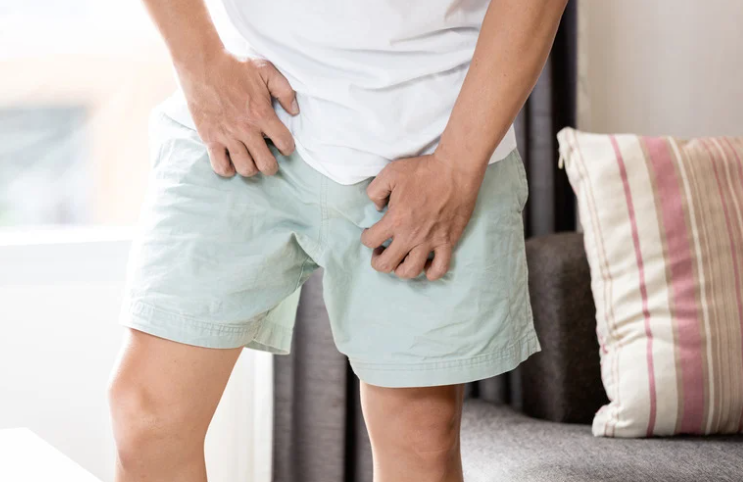
Pain in the groin can stop you in your tracks — whether you’re a weekend footy warrior, a regular at the gym, or someone who just twisted awkwardly in the garden. Inguinal region injuries are more common than people realise, and physio can play a huge role in your recovery. In this blog, we’ll break down common groin-related injuries, explain how physiotherapy helps, and share a patient success story you’ll want to read to the end.
What Is the Inguinal Region?
The inguinal region, more commonly known as the groin, is located at the junction between your lower abdomen and upper thigh. It’s home to a complex network of muscles, tendons, ligaments, blood vessels, and nerves — all of which can be affected during certain types of physical activity or trauma.
Whether it’s sprinting, kicking, lifting, twisting, or even prolonged sitting in poor posture, this area is vulnerable to strain and overuse.

Common Injuries of the Inguinal Region
1. Adductor Muscle Strain (Groin Strain)
This is the most common groin injury we see in the inguinal region, especially in athletes. It usually occurs during rapid side-to-side movements like cutting, turning, or kicking.
Symptoms:
- Sharp or pulling pain in the inner thigh or groin
- Pain with squeezing the legs together
- Pain when walking, running, or stretching the adductors
Who’s at Risk?
Footballers, sprinters, gym-goers, and anyone doing quick changes in direction.
If you want to learn more about Groin Strains, CLICK HERE.
2. Inguinal Hernia
Unlike muscle strains, hernias occur when abdominal contents protrude through a weak spot in the lower abdominal wall, typically in the inguinal region, specifically in the canal.
Symptoms:
- Aching or burning sensation in the groin
- A visible or palpable bulge
- Worsening pain with lifting, coughing, or standing
Note: Hernias usually require surgical input, but physiotherapy helps with post-operative rehab and managing abdominal wall weakness pre-surgery.

3. Sportsman’s Groin (Athletic Pubalgia)
This is a chronic condition involving multiple soft tissues around the inguinal region and lower abdominal wall — often misdiagnosed or missed.
Symptoms:
- Deep groin pain during activity
- Pain improves with rest, returns with movement
- Pain when coughing or sneezing
This injury is common in footballers, runners, and hockey players. It often needs a multi-angled approach to rehab, involving pelvic and core stability work.
4. Iliopsoas Tendinopathy
The iliopsoas is a deep hip flexor muscle that can become overloaded, especially in dancers, runners, and those doing high-intensity training.The Iliopsoas tendon sits infront of the pelvis however the symptoms often feel deep within the inguinal region.
Symptoms:
- Pain in the front of the groin, especially with hip flexion
- Clicking or catching sensations
- Tenderness deep in the groin
5. Femoroacetabular Impingement (FAI)
Although this is technically a hip joint condition, the pain often presents in the inguinal region. FAI occurs when bony changes in the hip cause pinching of soft tissues.
Symptoms:
- Sharp groin pain with hip flexion, rotation, or deep squats
- Clicking or locking sensations
- Reduced range of motion
Physio helps by improving hip mechanics, strength and control — often delaying or avoiding surgery altogether.

6. Referred Groin Pain
Sometimes the source of groin pain isn’t in the groin at all — it can come from the lower back, SIJ (sacroiliac joint), or even abdominal wall trigger points. Patients often report the symptoms in the inguinal region.
Symptoms:
- Diffuse, hard-to-pinpoint groin pain
- No obvious mechanism of injury
- Pain that changes with spinal movements
Physiotherapists are trained to identify referred pain patterns and tailor treatment accordingly.
How Physiotherapy Helps
The good news? Most inguinal region injuries respond really well to targeted physio — especially if you get onto it early. Here’s what we usually focus on:
✅ Accurate Diagnosis
We start with a thorough assessment to identify the structure(s) involved. It’s common for inguinal region injuries to be multi-layered, so getting the right diagnosis is key.
✅ Load Management
This means backing off aggravating activities temporarily without full rest — and finding ways to keep you moving safely.
✅ Soft Tissue Treatment
Hands-on techniques like massage, trigger point release, dry needling and stretching help to relieve muscle tightness and pain.
✅ Rehabilitation Exercises
We prescribe specific exercises based on the injury and phase of healing — often focusing on:
- Adductor and hip flexor strength
- Core and pelvic control
- Hip mobility and balance
- Gradual return to running or sport
✅ Education
Understanding your injury makes a huge difference. We’ll guide you on warm-up routines, training techniques, and how to prevent re-injury.
Case Study: James, 29 – Footy Groin Strain
James, a 29-year-old amateur AFL player, came into the clinic three days after feeling a sharp “twinge” in his left groin during a sprint. He initially shrugged it off, but the pain worsened with walking and stairs.
Assessment Findings:
- Localised tenderness over his adductor longus
- Pain on resisted adduction
- No signs of hernia or hip impingement
- Grade 1–2 adductor muscle strain
We started James on a graduated rehab program:
- Phase 1 (Week 1–2): Isometric holds, gentle stretches, pool walking
- Phase 2 (Week 2–4): Resistance band exercises, glute activation, single leg balance
- Phase 3 (Week 4–6): Lateral lunges, resisted running drills, core control
- Phase 4 (Week 6+): Return to running program, sports-specific drills
By week 7, James returned to full training with no pain and stronger adductors than pre-injury. He continues to do maintenance exercises once a week — and hasn’t had a recurrence since.
Red Flags to Watch Out For
While many groin injuries are muscular and manageable, some require further investigation. Seek professional input if you notice:
- A hard or growing lump in the groin
- Severe pain that doesn’t ease with rest
- Numbness or weakness in the leg
- Difficulty walking or lifting your leg
- Fever or other signs of infection

Prevention Tips
- Warm Up Properly
Include dynamic stretches and activation exercises before sport. - Strengthen Your Core and Adductors
Prevent groin overload by building strength where it matters most. - Avoid Overtraining
Increase load gradually and include adequate recovery. - Focus on Technique
Poor kicking or lifting technique can strain your groin — technique matters! - Don’t Ignore Niggles
A mild strain today can become a six-week rehab tomorrow. Get it checked early.
Final Thoughts: Don’t Just Push Through Groin Pain
Ignoring groin pain or “toughing it out” might seem like the Aussie thing to do — but trust us, early physio intervention saves time, pain, and frustration down the track. Whether you’re dealing with a mild adductor strain or something more complex like sportsman’s groin, your body will thank you for getting it sorted sooner rather than later.
Need Help With Groin Pain?
Don’t let a groin injury stop you in your tracks. Our experienced team can help diagnose the issue and create a personalised rehab plan that gets you back doing what you love — stronger than ever.
Give us a call today on 9806 3077, or book online — just CLICK HERE.
References and Further Reading
- Groin Pain in Athletes – British Journal of Sports Medicin – https://bjsm.bmj.com/content/50/7/423e
- FAI and Hip Joint Issues – OrthoInfo (AAOS)
- Return to Play Criteria for Groin Injuries – Aspetar Sports Medicine Journal