
106) Snapping Hip Syndrome: The Clicking Hip That Won’t Go Away
Snapping hip syndrome is a common cause of clicking, flicking or popping around the hip — especially in runners, dancers and gym-goers. While it’s often painless at first, it can become irritating and stubborn. The good news? With the right physiotherapy approach, you can settle it down and stop the click for good.
That Annoying Click in the Hip…
You’re walking up stairs.
You swing your leg out of the car.
You go to stand up after sitting.
Click.
If that sound (or feeling) keeps happening around the front or side of your hip, you might be dealing with snapping hip syndrome.
For some people, it’s just a harmless noise. For others, it becomes painful, inflamed and frustrating — especially when it starts limiting training or daily movement.
Let’s break down what’s actually happening, why it won’t go away on its own, and how physiotherapy can fix it properly.
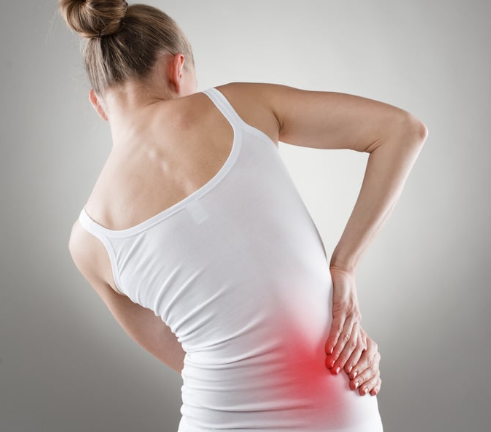
What Is Snapping Hip Syndrome?
Snapping hip syndrome (sometimes called coxa saltans) is when a tendon flicks over a bony structure in the hip, creating a snapping or clicking sensation.
There are three main types:
1️⃣ External Snapping Hip
The most common type.
The iliotibial band (ITB) or gluteus maximus tendon snaps over the outside of the hip bone (greater trochanter).
You’ll usually feel:
- A snap on the outside of the hip
- Clicking when walking or running
- Tenderness on the side of the hip
This often overlaps with ITB irritation or lateral hip pain.
2️⃣ Internal Snapping Hip
This happens when the iliopsoas tendon flicks over structures at the front of the hip.
You’ll notice:
- A deep click in the front of the hip
- Snapping when lifting the knee
- Clicking getting out of a car
- Tight hip flexors
This is common in runners, dancers and people who sit a lot.
3️⃣ Intra-Articular Snapping
Less common, but more serious.
This involves something inside the joint — like a labral tear or cartilage issue.
These patients often describe:
- Catching or locking
- Deep joint pain
- Reduced hip range
- Sharp pain with twisting
This type requires careful assessment and sometimes imaging.
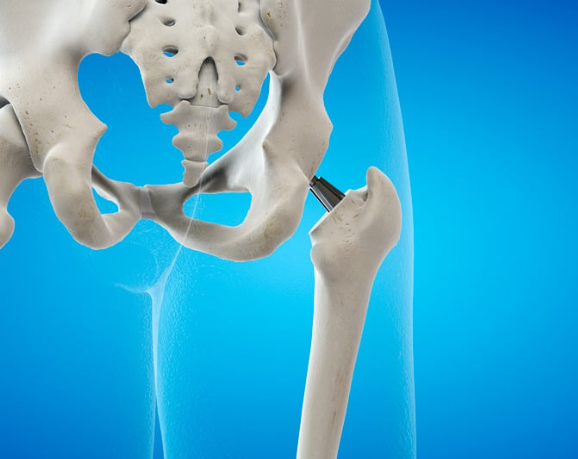
Why Does Snapping Hip Syndrome Happen?
Snapping hip syndrome usually develops because of:
- Muscle tightness (especially hip flexors or ITB)
- Weak glutes
- Poor pelvic control
- Overtraining
- Sudden training load increases
- Biomechanical overload
- Long hours sitting
In active Australians, it’s often a mix of tight hip flexors + weak glutes + increased training volume.
The tendon starts to flick repeatedly over bone — and over time that repeated friction causes irritation and inflammation.
That’s when the painless click becomes painful snapping.
If the hip is not snapping but is sore on the outside, READ THIS BLOG
Why It Won’t Just “Go Away”
Here’s the trap.
Many people think:
“It’s just a click. I’ll stretch it.”
But stretching alone rarely fixes snapping hip syndrome.
Why?
Because the underlying problem isn’t just tightness. It’s usually:
- Load imbalance
- Weak lateral hip stabilisers
- Poor movement control
- Pelvic positioning issues
Unless you address those, the tendon keeps snapping.
And if it continues long enough, you can develop:
- Trochanteric bursitis
- Hip flexor tendinopathy
- Gluteal tendinopathy
- Ongoing hip pain with sport
That’s why early physio treatment makes such a big difference.

What We Saw Recently in Clinic (Real Patient Example)
A 32-year-old runner came to see us from a nearby Northern Beaches suburb to our clinic in Frenchs Forest NSW.
She’d had a clicking hip for about 8 months.
At first it was painless. Then it started aching after long runs.
Eventually, she felt sharp snapping every time she lifted her knee.
She had:
- Tight hip flexors
- Weak glute medius
- Reduced single-leg control
- Poor pelvic stability on running assessment
Her MRI was clear — no labral tear. That was good news.
We treated her snapping hip syndrome with:
- Targeted hip flexor release
- Progressive glute strengthening
- Pelvic stability retraining
- Running load modification
- Gradual return-to-run programming
Within 4 weeks:
- Clicking reduced significantly
- Pain resolved
- Running tolerance improved
By 8 weeks:
- No snapping during daily movement
- Returned to full training
The key wasn’t stretching alone. It was correcting the underlying load and control problem.
How Physiotherapy Fixes Snapping Hip Syndrome
Here’s how we approach snapping hip syndrome properly.
1️⃣ Accurate Diagnosis
First, we determine:
- External vs internal vs intra-articular
- Is it painful or just audible?
- Is there tendon irritation?
- Do we need imaging?
A proper assessment prevents misdiagnosis.
2️⃣ Reduce Irritation
Early stage management may include:
- Activity modification
- Load reduction
- Soft tissue release
- Dry needling (if appropriate)
- Taping strategies
The goal: calm the tissue down.
3️⃣ Restore Strength
This is where most people fall short.
We focus heavily on:
- Glute medius
- Glute max
- Deep hip rotators
- Core stability
- Single-leg strength
Strength reduces the flicking force over the bone.
4️⃣ Improve Movement Control
We retrain:
- Single-leg squats
- Running gait
- Pelvic positioning
- Hip hinge mechanics
Movement retraining is often the missing piece.
5️⃣ Return to Sport Plan
For runners and athletes:
- Controlled load progression
- Monitoring symptoms
- Specific hip capacity work
This prevents recurrence.
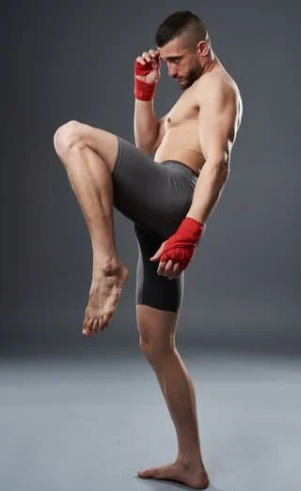
Can You Exercise Through It?
If snapping hip syndrome is painless, you can often continue training with modifications.
If it’s painful:
- Avoid repeated snapping motions
- Reduce hills or speed work
- Avoid deep hip flexion temporarily
Painful snapping should not be ignored — especially if worsening.
How Long Does It Take to Fix?
Typical timelines:
- Mild cases: 3–6 weeks
- Moderate cases: 6–10 weeks
- Long-standing cases: 8–12+ weeks
The longer it’s been present, the longer it usually takes to correct.
When Should You Be Concerned?
Seek assessment if you notice:
- Locking or catching
- Sharp groin pain
- Sudden onset after trauma
- Persistent swelling
- Pain that doesn’t settle
These may indicate intra-articular involvement.
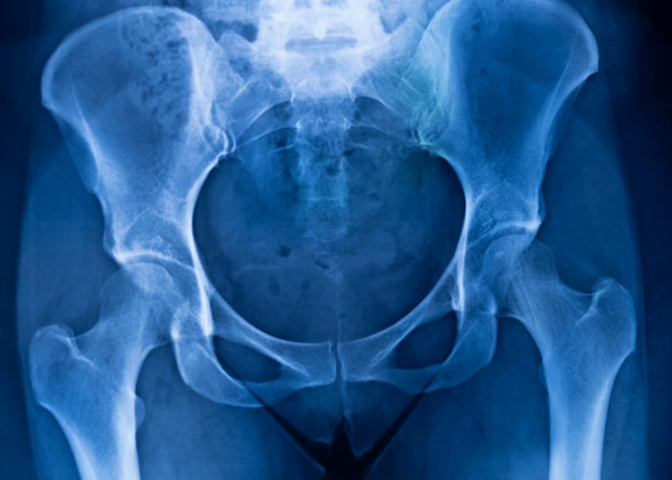
Self-Management Tips (That Actually Help)
If you suspect snapping hip syndrome:
✔ Strengthen glutes (not just stretch hip flexors)
✔ Avoid aggressive stretching if painful
✔ Reduce load temporarily
✔ Work on single-leg stability
✔ Don’t ignore progressive symptoms
But if it’s been there more than a few weeks — get it assessed.
Why Early Treatment Matters
When treated early, snapping hip syndrome responds very well.
Left untreated, it can turn into:
- Chronic lateral hip pain
- Tendinopathy
- Ongoing running issues
- Compensatory knee or back pain
Fix the cause, not just the click.
The Bottom Line
Snapping hip syndrome is common, annoying, and very fixable.
The clicking hip that “won’t go away” usually sticks around because the underlying strength and control issues haven’t been addressed.
With targeted physiotherapy, proper loading and progressive strength work, most people return to full activity without surgery.
If your hip keeps clicking — and especially if it’s starting to hurt — don’t wait.
FAQs About Snapping Hip Syndrome
What is snapping hip syndrome?
Snapping hip syndrome is a condition where a tendon flicks over a bony structure in the hip, causing a clicking or snapping sensation. It can be painless or painful and is common in runners and active individuals.
Is snapping hip syndrome serious?
It is usually not serious, especially if painless. However, if it becomes painful or is associated with locking or catching, it should be assessed by a physiotherapist or doctor.
Can snapping hip syndrome go away on its own?
Mild painless snapping may settle with load reduction. Painful snapping hip syndrome typically requires physiotherapy to correct muscle imbalances and movement control issues.
What exercises help snapping hip syndrome?
Glute strengthening, pelvic stability exercises, and controlled single-leg training are most effective. Stretching alone is rarely enough.
Do I need surgery for snapping hip syndrome?
Surgery is rarely required. Most cases respond well to physiotherapy and structured rehabilitation.
References
- https://www.physio-pedia.com/Snapping_Hip_Syndrome
- https://orthoinfo.aaos.org/en/diseases–conditions/snapping-hip/
- https://www.sportsinjuryclinic.net/sport-injuries/hip-groin-pain/snapping-hip
If you’re dealing with snapping hip syndrome and it’s not settling, our physios in Frenchs Forest can help identify the cause and build a clear plan to get you back to full strength.
Give us a call today on 9806 3077, or book online, just CLICK HERE: https://x-physio.au4.cliniko.com/bookings#service