
111) Scapular Winging: Shoulder Blade Pain and Weakness Explained
Scapular winging is when your shoulder blade sticks out instead of sitting flat, often causing pain, weakness, and poor movement. The good news? With the right scapular winging physiotherapy, you can restore strength and control. In this blog, we’ll break down causes, symptoms, and exactly how physio can fix it.
Why Your Shoulder Blade Might Be the Real Problem
If you’ve been dealing with shoulder pain that just won’t go away, here’s something most people don’t realise…
👉 It might not actually be your shoulder joint causing the issue.
The scapula (shoulder blade) plays a massive role in how your shoulder moves. When it’s not stable or controlled properly, everything else starts to compensate—and that’s when pain, weakness, and dysfunction creep in.
Scapular winging is one of the clearest signs something isn’t working properly.
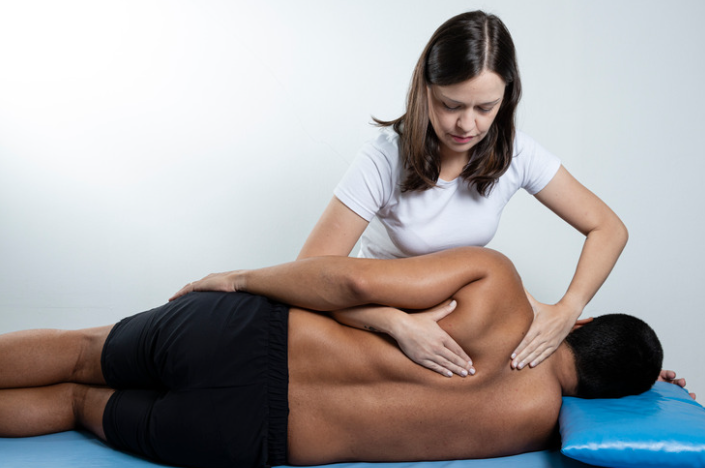
What Is Scapular Winging?
Scapular winging happens when the shoulder blade lifts away from the ribcage instead of sitting flat against it.
This creates a noticeable “winging” appearance, especially when you:
- Push against a wall
- Lift your arm overhead
- Carry heavy objects
But beyond how it looks, the real issue is what it does to your movement.
When the scapula isn’t stable, your shoulder loses its foundation—leading to:
- Reduced strength
- Poor control
- Increased injury risk
What Causes Scapular Winging?
Understanding the cause is key to getting the right treatment. Here are the most common reasons we see in clinic:
1. Serratus Anterior Weakness
This is by far the most common cause.
The serratus anterior is the muscle responsible for holding your shoulder blade flat against your ribcage. When it’s weak or not activating properly, the scapula starts to wing.
2. Long Thoracic Nerve Dysfunction
The long thoracic nerve controls the serratus anterior.
If this nerve is irritated or damaged, the muscle won’t function properly—leading to more pronounced winging.
This can happen due to:
- Trauma
- Repetitive overhead activity
- Viral illness
- Post-surgical complications
3. Poor Posture
Long hours sitting at a desk or on your phone can lead to:
- Rounded shoulders
- Tight chest muscles
- Weak upper back muscles
Over time, this creates the perfect environment for scapular winging to develop.
4. Previous Shoulder Injuries
Past injuries like:
- Rotator cuff issues
- Shoulder instability
- AC joint injuries
…can disrupt normal shoulder mechanics and lead to poor scapular control.

Symptoms of Scapular Winging
Not everyone notices the winging straight away. Most people come in with symptoms like:
- A dull ache around the shoulder blade
- Pain when lifting overhead
- Weakness when pushing or pulling
- Early fatigue in the upper back
- Clicking or grinding sensations
- Difficulty with gym exercises
A simple test you can try:
👉 Do a wall push-up. If your shoulder blade sticks out noticeably, that’s a strong sign of scapular winging.
Why You Shouldn’t Ignore It
Scapular winging isn’t just a minor issue—it can lead to bigger problems if left untreated.
When your shoulder blade isn’t stable, it affects:
- Rotator cuff function
- Shoulder alignment
- Force production
This increases your risk of:
- Shoulder impingement
- Tendinopathy
- Chronic pain
- Ongoing weakness
Fixing the scapula is often the missing piece in resolving stubborn shoulder pain.
To learn more about shoulder impingement CLICK HERE to read our blog on this.

How Scapular Winging Physiotherapy Fixes the Problem
This is where scapular winging physiotherapy really shines.
The goal isn’t just to strengthen your shoulder—it’s to retrain how your entire shoulder complex works.
1. Activate the Right Muscles
The first step is getting the key stabilisers firing again.
We focus heavily on:
- Serratus anterior
- Lower trapezius
- Middle trapezius
Common exercises include:
- Wall slides with resistance bands
- Push-up plus
- Serratus punches
- Prone Y and T raises
2. Retrain Movement Patterns
Strength alone isn’t enough—you need control.
We work on:
- Timing of muscle activation
- Smooth scapular movement
- Coordination between shoulder and scapula
This is what creates lasting change.
3. Improve Posture and Mobility
We address contributing factors like:
- Tight chest muscles
- Stiff thoracic spine
- Poor desk setup
These small changes can dramatically reduce strain on your shoulder.
4. Hands-On Treatment
Depending on your presentation, we may also use:
- Joint mobilisation
- Soft tissue release
- Dry needling
This helps reduce pain and improve movement more quickly.
5. Gradual Strength Progression
Once control improves, we build strength back into:
- Gym movements
- Overhead activities
- Sport-specific tasks
The goal is to get you back to full function—not just pain-free, but stronger than before.
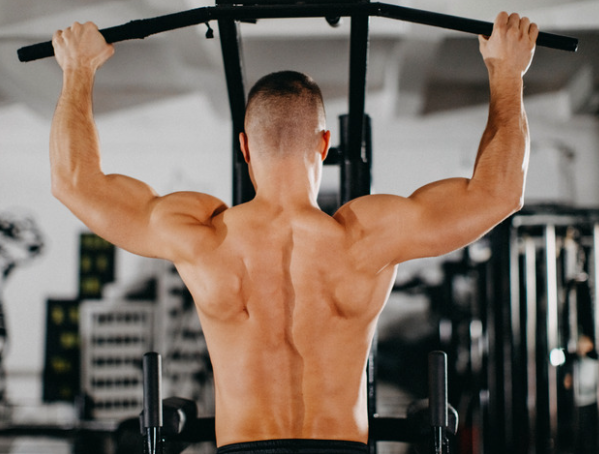
Real Patient Example (From Our Clinic)
We recently saw a patient in his early 30s who travelled from Belrose to our clinic in Frenchs Forest NSW with ongoing shoulder pain.
He’d been dealing with discomfort for over 6 months, especially during gym workouts—particularly push-ups and overhead pressing.
Previous treatment had focused purely on the rotator cuff, but nothing was improving.
On assessment, it was clear:
👉 Significant scapular winging due to poor serratus anterior activation.
What We Did:
- Targeted serratus anterior strengthening
- Scapular control retraining
- Postural corrections
- Gradual return-to-gym programming
The Outcome:
Within 6 weeks:
- Pain significantly reduced
- Strength improved
- Returned to gym training pain-free
By 10–12 weeks:
- Full return to all activities
- No visible winging during movement
This is a perfect example of how addressing the real cause makes all the difference.
How Long Does Recovery Take?
Recovery depends on the severity and cause:
- Mild cases: 4–8 weeks
- Moderate cases: 8–16 weeks
- Nerve-related cases: several months+
The key?
👉 Consistency with the right exercises.
When Should You See a Physio?
You should get assessed if you have:
- Ongoing shoulder blade pain
- Weakness or instability
- Difficulty lifting your arm
- Visible winging
The earlier you start, the faster you recover.

Final Thoughts
Scapular winging is often the hidden reason behind stubborn shoulder pain and weakness. The good news is that with the right scapular winging physiotherapy, you can restore proper movement, build strength, and get back to doing what you love—without pain holding you back.
FAQs
What is scapular winging?
Scapular winging is when the shoulder blade lifts away from the ribcage instead of sitting flat, often due to muscle weakness or nerve issues.
Can scapular winging be fixed with physiotherapy?
Yes, most cases improve significantly with targeted physiotherapy focusing on strength, control, and movement retraining.
How long does scapular winging take to heal?
Recovery can take anywhere from 4 weeks to several months depending on severity and underlying cause.
Is scapular winging serious?
It can lead to ongoing shoulder pain and dysfunction if left untreated, but is usually very manageable with the right treatment.
What exercises help scapular winging?
Exercises that target the serratus anterior and lower trapezius—like wall slides and push-up plus—are highly effective.
References
- https://www.physio-pedia.com/Scapular_Winging
- https://www.ncbi.nlm.nih.gov/books/NBK541005/
- https://www.jospt.org/
- https://www.shoulderdoc.co.uk/
- https://www.healthline.com/health/scapular-winging
If you’re dealing with shoulder pain, weakness, or think you might have scapular winging, don’t leave it to chance.
Give us a call today on 9806 3077, or book online, just CLICK HERE: https://x-physio.au4.cliniko.com/bookings#service