
89) Pinched Nerve in the Back: Physio Treatment Options That Actually Work
Got a pinched nerve in your back and sick of the sharp, burning, or shooting pain running your day? You’re not alone—and the good news is most cases improve with targeted physiotherapy. This blog breaks down what actually works, what doesn’t, and how real patients get back to normal faster. If you’re struggling now, reach out today.
Pinched Nerve in the Back: Physio Treatment Options That Actually Work
A pinched nerve in the back can be one of the most frustrating and painful issues to deal with. Whether it causes sharp lower-back pain, leg pain, buttock pain, numbness, tingling, or weakness, it can stop you from working, lifting, walking, or even sleeping properly. The good news? Most pinched nerves respond extremely well to the right physiotherapy plan—often avoiding the need for injections or surgery.
In this article, we’ll walk you through:
- what a pinched nerve actually is
- the most effective physio treatments (based on current evidence)
- what you shouldn’t do
- a real-life example of a patient from a nearby suburb
- and when you should seek help urgently
If you’re currently dealing with pain, book in and let us help you get moving again.

What Exactly Is a Pinched Nerve in the Back?
A pinched nerve occurs when a spinal nerve becomes irritated or compressed by surrounding structures such as:
- irritated or inflamed discs
- joint swelling
- muscle spasm
- narrowing of spinal canals (stenosis)
- bone or joint changes
- inflammation after lifting or twisting
A Pinched Nerve in the Back becomes sensitive, leading to symptoms such as:
- sharp back pain
- shooting pain into the leg or buttock
- numbness or pins and needles
- muscle weakness
- increased pain with sitting, bending, or coughing
Contrary to the name, the nerve is rarely “trapped permanently”—most cases are due to temporary irritation or inflammation, and the right physio treatment can settle the nerve quickly.

Why Physiotherapy Works So Well for A Pinched Nerve in the Back
Physiotherapy has been shown to be highly effective for A Pinched Nerve in the Back because it targets the mechanical stresses and inflammatory processes behind the irritation.
A well-designed physio plan aims to:
✔ Reduce nerve inflammation
✔ Improve mobility in stiff joints
✔ Reduce pressure on the affected nerve
✔ Strengthen the back, hips, and core
✔ Improve posture and lifting habits
✔ Prevent recurrence
Now let’s break down the treatment options that actually work.
Physio Treatment Options That Actually Work
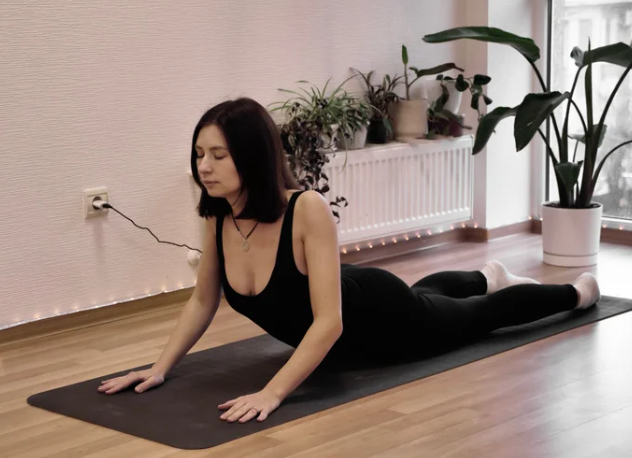
1. Directional Preference Exercises (Often Used for Disc-Related Pain)
A Pinched Nerve in the Back can come from an irritated disc. Repeated movements in specific directions (often extension-based exercises) can:
- centralise symptoms
- reduce leg pain
- reduce disc pressure
- improve mobility
McKenzie-style exercises are commonly used and are backed by strong evidence for disc pain.
But the key is finding the right direction for your back—doing the wrong one can worsen symptoms, which is why guidance is important.
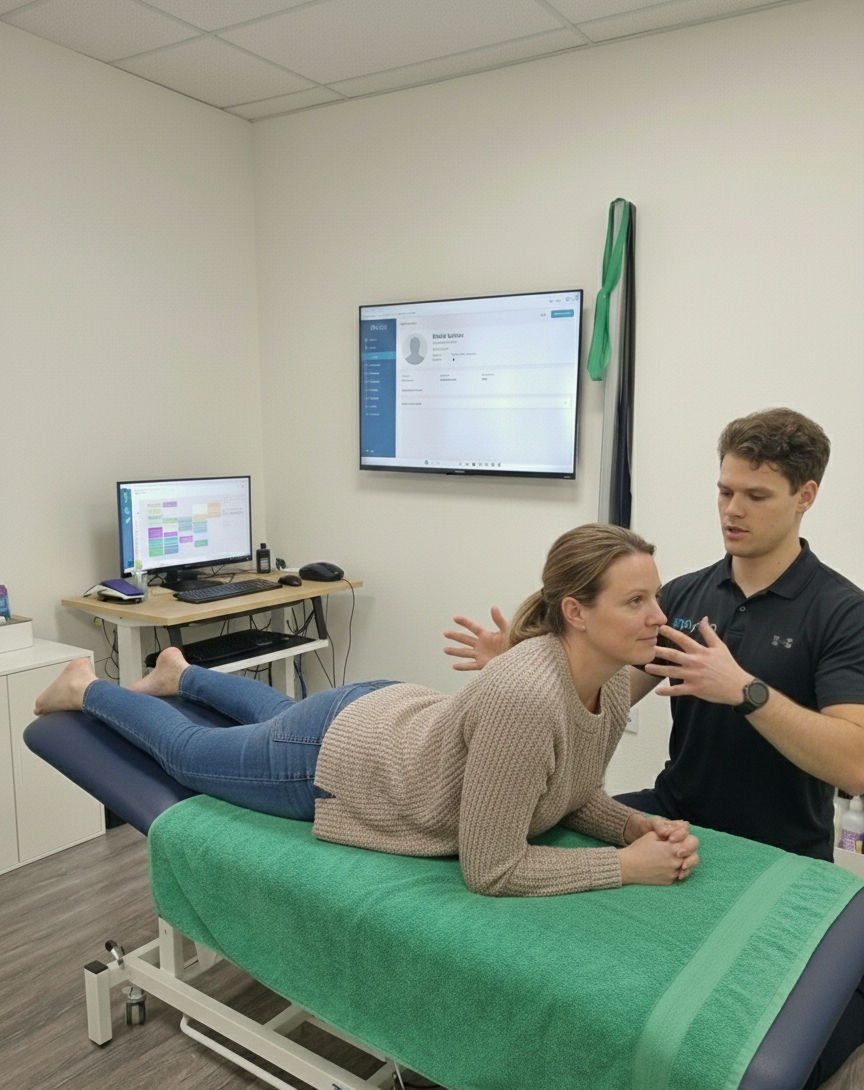
2. Manual Therapy to Reduce Joint and Muscle Tension
Hands-on therapy helps reduce mechanical loading on A Pinched Nerve in the Back, including:
- joint mobilisation
- soft tissue release
- neural mobility techniques
- trigger point therapy
- gentle manipulation (if appropriate)
These techniques help free up stiff spinal segments and reduce inflammation around the irritated nerve root.
3. Neural Gliding (Nerve Mobility Exercises)
When a nerve becomes irritated, the mobility of the nerve can reduce. Guided nerve glides help the nerve slide and move more comfortably along its pathway. This reduces pain, tingling, and stiffness—especially in the leg.
These must be done gently, or symptoms can flare.
4. Targeted Strengthening for Long-Term Relief
Strengthening is essential to stop symptoms from recurring. For A Pinched Nerve in the Back, we focus on:
- deep core stability
- hip strength
- postural endurance
- glute activation
- spinal stabilisation
As strength improves, the irritated nerve is exposed to less pressure and irritation.
5. Activity Modification — Not Complete Rest
Gone are the days of bed rest. We now know it slows recovery.
Physios guide you in:
- what movements to avoid short-term
- how to keep moving safely
- how to reduce inflammation without stopping your life
- how to gradually reintroduce bending, lifting, or running
This approach almost always leads to faster improvement.
6. Heat, Ice, or TENS for Short-Term Relief
These do not fix the cause but are useful tools to reduce pain temporarily. Your physio will recommend the right one based on your symptoms.
7. Posture and Ergonomic Advice
Pain caused by sitting (especially prolonged slumped posture) is common with disc-related pinched nerves. Small ergonomic adjustments can dramatically reduce symptoms.
8. Load Management for Workers, Runners, or Lifters
If you’re a tradie, gym-goer, or runner, load plays a major role in recovery. A physio will guide how much you can do, and how fast you can increase activity safely.
A Real Patient Example from a Nearby Suburb
Last month, we saw Sarah (name changed for privacy), a 42-year-old office worker from Forestville, just a short drive from Frenchs Forest NSW. She came in with severe lower-back pain and shooting leg pain after lifting a heavy box at home.
Her symptoms included:
- pain down the right leg
- numbness in the calf
- difficulty sitting at work
- sharp pain when bending
After a thorough assessment, we identified a pinched lumbar nerve likely related to a disc irritation. Her treatment plan included:
- directional preference extension exercises
- manual therapy for lumbar stiffness
- nerve gliding for the irritated sciatic nerve
- ergonomic and workstation advice
- progressive strengthening
Within 3 weeks, her shooting pain had resolved. She returned to full-time work comfortably, had better sitting posture, and resumed light gym training. Her long-term program now focuses on deep core and hip strength to prevent recurrence.
Stories like Sarah’s are common—pinched nerves often respond extremely well when treated early and guided properly.
How Long Does It Take to Recover?
Most people see improvements within 1–3 weeks.
Full recovery often takes 4–8 weeks depending on:
- severity
- your job and activity level
- how long symptoms have been present
- adherence to your exercise plan
Chronic or severe nerve compression may take longer, but even long-term cases usually improve significantly with a structured physio program.
When Should You Seek Help Urgently?
Seek immediate medical attention if you experience:
- loss of bowel or bladder control
- numbness around the groin (saddle region)
- severe or rapidly worsening weakness
- unrelenting night pain
These symptoms are rare but require urgent assessment.
When Should You See a Physio?
You should book an appointment if:
- pain is more than mild
- symptoms spread into the leg
- you feel numbness or tingling
- pain has lasted more than 3–5 days
- work, sleep, or walking are affected
- pain keeps coming back
The earlier we treat a pinched nerve, the faster and smoother recovery usually is.
FAQs About Pinched Nerve in the Back
1. How do I know if I have a pinched nerve in my back?
Typical signs include sharp back pain, leg pain, numbness, tingling, or weakness. A physio can assess and confirm the cause.
2. Can a pinched nerve heal on its own?
Yes, many cases improve naturally, but physio speeds recovery, prevents flare-ups, and reduces the chance of chronic nerve irritation.
3. Should I rest or keep moving?
Gentle movement is best. Avoid complete rest. Your physio will guide safe movements that reduce nerve stress.
4. Do I need an MRI?
Not usually. Most cases don’t require scans unless symptoms are severe or not improving with treatment.
5. Can physiotherapy prevent the pinched nerve from returning?
Yes — strengthening, mobility work, and posture education significantly reduce the risk of future episodes.
References
- Australian Physiotherapy Association – Back Pain Resources
https://australian.physio/ - Better Health Channel – Back Pain
https://www.betterhealth.vic.gov.au/health/conditionsandtreatments/back-pain - X Physio Blog – Exercises, Injury Guides & Physio Advice
https://xphysio.com.au/blog/
Give us a call today on 9806 3077, or book online, just CLICK HERE.
{
“@context”: “https://schema.org”,
“@type”: “FAQPage”,
“mainEntity”: [
{
“@type”: “Question”,
“name”: “How do I know if I have a pinched nerve in my back?”,
“acceptedAnswer”: {
“@type”: “Answer”,
“text”: “Common signs include sharp back pain, shooting leg pain, numbness, tingling, or weakness. A physiotherapist can assess and confirm the cause.”
}
},
{
“@type”: “Question”,
“name”: “Can a pinched nerve heal on its own?”,
“acceptedAnswer”: {
“@type”: “Answer”,
“text”: “Yes. Many cases improve on their own, but physiotherapy speeds up recovery, prevents ongoing flare-ups, and reduces nerve irritation.”
}
},
{
“@type”: “Question”,
“name”: “Should I rest or keep moving?”,
“acceptedAnswer”: {
“@type”: “Answer”,
“text”: “Gentle movement is better than complete rest. Your physiotherapist will guide which movements are safe and reduce nerve stress.”
}
},
{
“@type”: “Question”,
“name”: “Do I need an MRI?”,
“acceptedAnswer”: {
“@type”: “Answer”,
“text”: “Most people do not need an MRI unless symptoms are severe, persistent, or not improving with treatment.”
}
},
{
“@type”: “Question”,
“name”: “Can physiotherapy prevent the pinched nerve from returning?”,
“acceptedAnswer”: {
“@type”: “Answer”,
“text”: “Yes. Strengthening, postural training, and mobility work help reduce the risk of recurring episodes.”
}
}
]
}