

84) Physio for Gluteal Tendinopathy: Sitting and Sleeping Without Pain
Gluteal tendinopathy can make simple things like sitting at work or sleeping on your side feel impossible. Physiotherapy is one of the most effective ways to reduce pain, rebuild strength and get you comfortable again. In this blog, we’ll break down exactly how physio helps, plus practical tips you can start today—so keep reading.
Physio for Gluteal Tendinopathy: Sitting and Sleeping Without Pain
Gluteal tendinopathy is one of the most frustrating conditions we see in clinic. It’s sneaky, annoying and usually flares up during everyday things—sitting too long, crossing your legs, walking uphill, or simply lying in bed at night. Some people even say it feels like “a deep ache that never switches off.”
The good news? Gluteal tendinopathy physiotherapy works exceptionally well when it’s targeted, progressive and tailored to how your hip actually behaves.
Today, we’ll walk through:
- what gluteal tendinopathy actually is
- why sitting and sleeping are often the worst triggers
- how physiotherapy reduces pain and rebuilds tendon strength
- the modifications that make life easier right away
- a real patient success story from a nearby Northern Beaches suburb
- FAQs with schema markup you can paste directly into WordPress
Let’s dive in.
What Is Gluteal Tendinopathy?
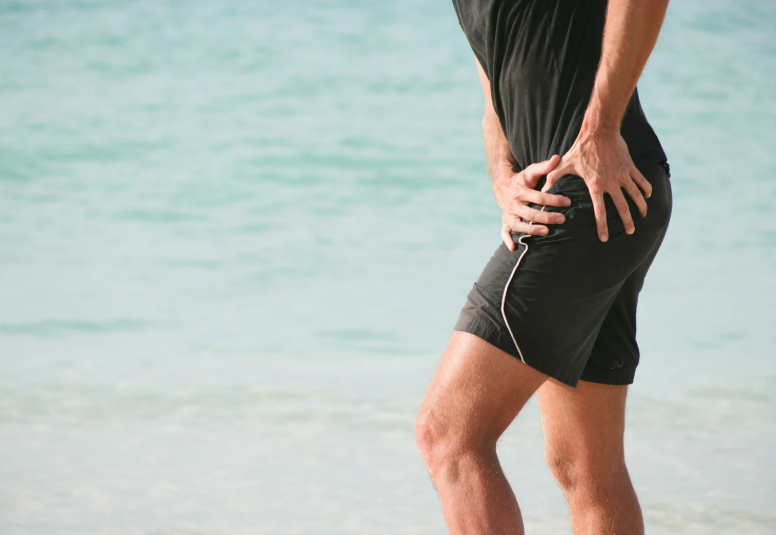
Gluteal tendinopathy is irritation or overload of the tendons on the side of your hip—mainly the gluteus medius and gluteus minimus tendons. These tendons help stabilise your hip and pelvis when you walk, climb stairs, or stand on one leg.
When these tendons are overloaded (gradually or suddenly), they become sensitive and less tolerant to compression or stretch. This is why many people feel pain when:
- lying on their side
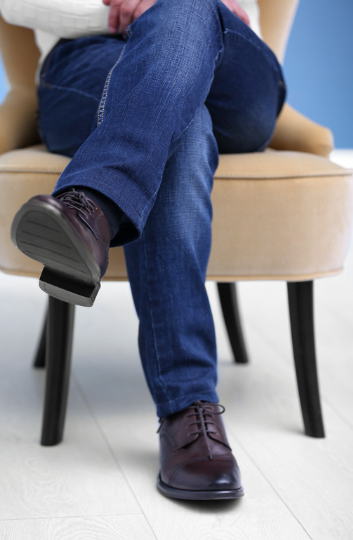
- crossing their legs
- sitting for long periods
- bending the hip too much
- walking on uneven ground or hills
It’s extremely common in women aged 40+ but can affect anyone—especially office workers, runners and active adults.
Why Sitting Hurts With Gluteal Tendinopathy
It seems counterintuitive—sitting is meant to be restful, right? Unfortunately, not for this condition.
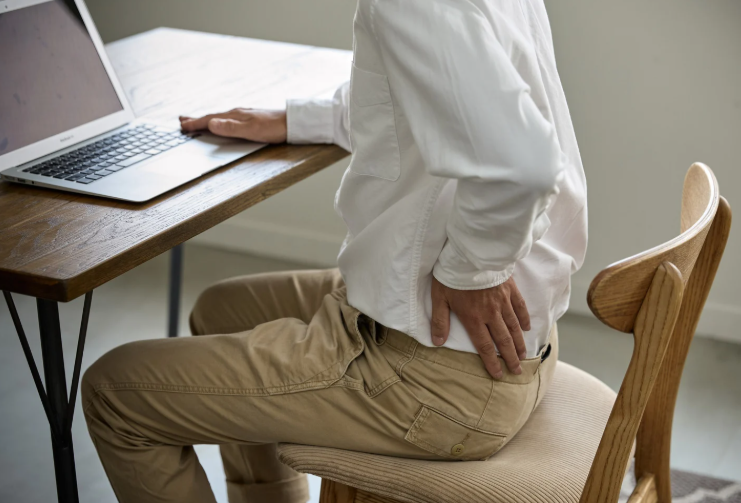
When you sit, the tendons on the outside of the hip are pulled into a slightly stretched and compressed position. This is especially true if you:
- sit with your legs crossed
- sit with your knees together
- sit on a soft couch where your hips drop into one side
- sit for hours without moving
Over time, this compressive force irritates the tendon even more.
Quick Sitting Fixes You Can Use Today
- Sit with your feet hip-width apart
- Keep knees apart (not touching)
- Use a firmer chair at work
- Add a small pillow under your thigh (not hip)
- Stand up every 20–40 minutes
Small changes = big relief.

Why Sleeping Flare-Ups Are So Common
One of the classic gluteal tendinopathy complaints is:
“I can’t sleep on my side anymore—it aches like mad.”
When lying on your side, the top leg can drop across the body, dragging the tendon into a stretched and compressed position. The bottom hip can also get irritated by direct pressure from the mattress.
Sleeping Adjustments That Help Immediately
If lying on your side:
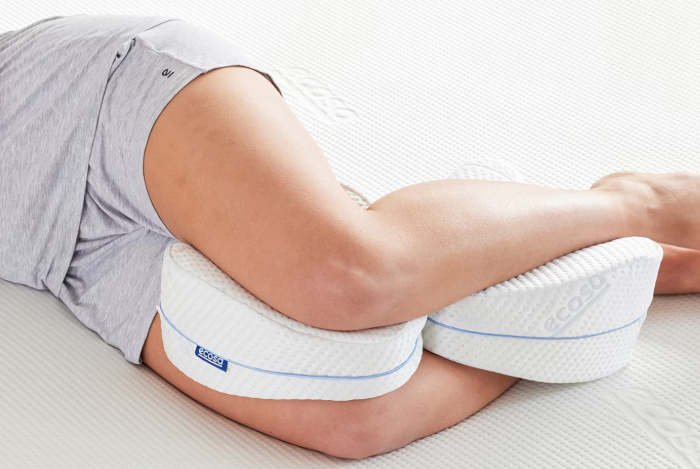
- Place a thick pillow between your knees to keep the top hip neutral
- Hug a pillow to prevent rolling forward
- Use a mattress topper if the bottom hip is too compressed
If lying on your back:
- Place a pillow under your knees to reduce hip tension
None of these solve the problem—but they reduce irritation while we rebuild tendon tolerance through physiotherapy.
How Physiotherapy Treats Gluteal Tendinopathy
Effective gluteal tendinopathy physiotherapy doesn’t just treat the painful area. It involves reducing load temporarily, correcting irritants, and gradually building the tendon’s capacity.
Here’s what the best evidence-based approach looks like.
1. Reducing Tendon Compression (The First Priority)
Your physio will identify which movements or positions are compressing the tendon. These are commonly:
- side sleeping
- sitting with legs crossed
- leaning on one hip
- over-striding during walking
- excessive stretching of the glutes
You don’t need to avoid everything forever—just while the tendon is calming down. This phase is about creating a safe environment for healing.
2. Strengthening the Gluteal Tendons in the Right Way
Not all exercises are helpful. Some make things worse.
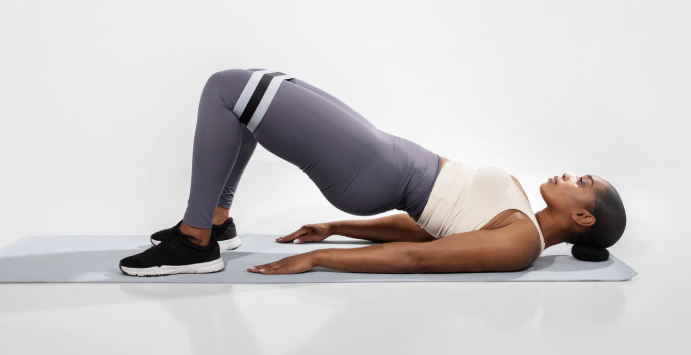
Good gluteal strengthening is progressive, controlled, and non-compressive early on. Examples include:
- isometric hip abduction holds
- bridge variations
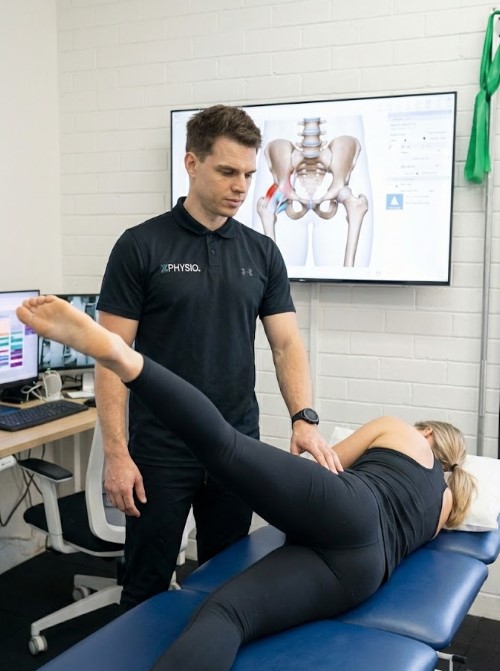
- side-lying hip abduction with careful technique
- standing hip hitching
- later: resistance band abduction, step-downs, controlled single-leg work
The aim is to gradually increase the tendon’s load tolerance without aggravation.
3. Improving Pelvic Control and Movement Patterns
Many people unknowingly move in ways that increase tendon strain, such as:
- dropping the hip when standing on one leg
- poor trunk control
- walking with excessive hip sway
- gripping through the outer hip muscles
Your physio helps refine technique so that daily tasks place less stress on the tendon.
4. Modifying Walking, Running and Training (If Needed)
A physio may adjust:
- stride length
- pace
- inclines
- running cadence
- gym exercises that could be irritating
This isn’t about stopping activity—it’s about doing it safely.
5. Hands-On Treatment for Pain Relief
Soft tissue release, massage and gentle joint mobilisations can reduce irritation and pain. While hands-on therapy won’t fix the tendon alone, it supports the strengthening program so you progress faster.
6. Shockwave Therapy (If Required)
Shockwave can help stubborn gluteal tendinopathy by stimulating local blood flow and reducing sensitivity. Your physio may recommend it if symptoms haven’t improved after a few weeks of strengthening.
A Real Patient Story From Our Clinic
Recently, we saw a patient from Belrose, just a short drive from our clinic in Frenchs Forest. She’d been struggling with hip pain for over a year—particularly when sitting at work and every night when trying to sleep on her side.
She’d tried stretching, foam rolling and even a new mattress, but nothing helped.
During her physiotherapy assessment, we found:
- significant tenderness over the gluteus medius tendon
- reduced single-leg control
- aggravation when crossing her legs
- poor side-sleeping alignment
- weak hip abduction strength
We started her on a structured strengthening program, adjusted her workspace setup, and gave her simple sleeping modifications. Within two weeks, she could sit comfortably at work again. Within six weeks, her night pain had almost completely resolved. She’s now back to walking trails on the weekends—pain-free.
Stories like this are extremely common. With the right approach, gluteal tendinopathy responds beautifully to physiotherapy.
Everyday Tips to Reduce Pain Immediately
Here are practical things you can start today:
Avoid:
- Sitting cross-legged
- Deep glute stretches
- Side sleeping without support
- Standing with your hip “popped out”
- Long hill walks early in rehab
Do More Of:
- Short movement breaks at work
- Side sleeping with a pillow between knees
- Controlled strengthening exercises
- Firm chair sitting
- Keeping knees apart
These reduce irritation so your tendon can actually heal.
Long-Term Outlook: How Long Until It Gets Better?
Most people see significant improvement within:
- 4–6 weeks → reduced pain
- 8–12 weeks → stronger tendon and improved movement
- 3–6 months → full return to normal activity
Tendons take time to adapt, but with consistency, the results can be life-changing.
When Should You See a Physio?
Book an appointment if you’re experiencing:
- pain on the outside of your hip
- discomfort when sitting or sleeping
- limping first thing in the morning
- pain climbing stairs or hills
- tenderness on the bony part of your hip
- clicking, catching or a feeling of weakness
The earlier you start treatment, the quicker your recovery.
Conclusion
Gluteal tendinopathy doesn’t have to control your sitting, sleeping or movement. Physiotherapy is a proven, effective and long-lasting solution that helps you reduce pain, build strength and get back to the activities you enjoy.
If your hip has been bothering you for weeks (or months), now’s the perfect time to get it sorted.
Give us a call today on 9806 3077, or book online, just CLICK HERE.
References
- https://completephysiotherapy.co.uk
- https://choose.physio
- https://xphysio.com.au/blog
- https://www.physio-pedia.com/Gluteal_Tendinopathy
- https://www.healthdirect.gov.au
FAQs
1. What is gluteal tendinopathy?
Gluteal tendinopathy is irritation of the gluteus medius or minimus tendons on the outside of the hip, causing pain with sitting, sleeping, walking or climbing stairs.
2. How does physiotherapy help?
Physio reduces tendon irritation, rebuilds strength, improves hip control and helps you avoid common triggers so the tendon can recover properly.
3. Why does it hurt to sleep on my side?
Side sleeping compresses and stretches the irritated tendon. A pillow between your knees helps reduce this strain.
4. Should I stretch my hip?
Deep glute stretches often make symptoms worse. Strengthening is far more effective for tendon recovery.
5. How long until it gets better?
Most people notice improvement within 4–6 weeks, with full recovery taking 8–12 weeks or longer depending on severity.
{
“@context”: “https://schema.org”,
“@type”: “FAQPage”,
“mainEntity”: [
{
“@type”: “Question”,
“name”: “What is gluteal tendinopathy?”,
“acceptedAnswer”: {
“@type”: “Answer”,
“text”: “Gluteal tendinopathy is irritation of the gluteus medius or minimus tendons on the outside of the hip, causing pain with sitting, sleeping, walking or climbing stairs.”
}
},
{
“@type”: “Question”,
“name”: “How does physiotherapy help?”,
“acceptedAnswer”: {
“@type”: “Answer”,
“text”: “Physiotherapy reduces tendon irritation, rebuilds strength, improves hip control and helps you avoid common triggers so the tendon can recover properly.”
}
},
{
“@type”: “Question”,
“name”: “Why does it hurt to sleep on my side?”,
“acceptedAnswer”: {
“@type”: “Answer”,
“text”: “Side sleeping compresses and stretches the irritated tendon. Using a pillow between your knees helps reduce this strain.”
}
},
{
“@type”: “Question”,
“name”: “Should I stretch my hip?”,
“acceptedAnswer”: {
“@type”: “Answer”,
“text”: “Deep glute stretches often make symptoms worse. Strengthening is usually more effective for tendon recovery.”
}
},
{
“@type”: “Question”,
“name”: “How long until it gets better?”,
“acceptedAnswer”: {
“@type”: “Answer”,
“text”: “Most people notice improvement within 4–6 weeks, with full recovery taking 8–12 weeks depending on severity and consistency with physiotherapy.”
}
}
]
}