
113) Nerve Flossing Exercises: Best Physio’s Target the Nervous System, Not Just Muscles
Tight muscles aren’t always the problem—sometimes it’s your nerves. Nerve flossing exercises physio targets irritation and tension within the nervous system to reduce pain, pins and needles, and stiffness. In this blog, we’ll show you how it works, when to use it, and how physio can fast-track your recovery.
Why Your Pain Might Not Be a Muscle Problem
Most people assume pain comes from tight muscles or weak joints. And while that’s often true, there’s another major player that gets overlooked: your nervous system.
Your nerves run from your spine all the way to your fingers and toes. They need to glide and move freely through surrounding tissues. When they don’t—due to irritation, inflammation, or compression—you can experience:
- Sharp or burning pain
- Pins and needles
- Numbness
- Tightness that stretching doesn’t fix
- Pain that travels (like down the arm or leg)
This is where nerve flossing exercises physio comes in.

What Are Nerve Flossing Exercises?
Nerve flossing (also called neural gliding or neural mobilisation) involves gentle, controlled movements that help your nerves slide smoothly through surrounding tissues.
Think of it like this:
Your nerve is like a piece of floss running through tight spaces in your body. If it gets stuck, irritated, or compressed, movement becomes painful. Nerve flossing helps “unstick” it.
Unlike traditional stretching:
- You’re not trying to stretch the muscle aggressively
- You’re encouraging movement of the nerve itself
- The movements are gentle and controlled, not forced
Common Conditions That Benefit from Nerve Flossing
Nerve flossing exercises physio can be incredibly effective for:
1. Sciatica
Pain radiating down the leg from the lower back due to irritation of the sciatic nerve.
2. Cervical Radiculopathy
Neck-related nerve pain travelling into the arm.
3. Carpal Tunnel Syndrome
Median nerve compression at the wrist causing tingling in the hand.
4. Thoracic Outlet Syndrome
Compression of nerves around the shoulder and collarbone.
5. Post-Injury or Post-Surgery Stiffness
Scar tissue can restrict nerve movement.
If you’ve ever said, “Stretching doesn’t help my pain”, there’s a good chance the issue might be neural rather than muscular.
How Physiotherapy Uses Nerve Flossing Exercises
At physio, nerve flossing isn’t just handed out as a random exercise—it’s part of a targeted treatment plan.
A physiotherapist will:
- Assess whether your symptoms are nerve-related
- Identify which nerve is involved
- Determine the level of irritation (important!)
- Prescribe the right type and intensity of movement
There’s a big difference between:
- Nerve sliders (gentle, early-stage exercises)
- Nerve tensioners (more advanced loading)
Getting this wrong can flare symptoms—so this is where expert guidance matters.

Real Patient Example (From Our Clinic)
We recently treated a patient who travelled from Oxford Falls to Frenchs Forest NSW with persistent leg pain.
He’d been dealing with what he thought was “tight hamstrings” for months. He’d tried:
- Stretching daily
- Massage
- Foam rolling
Nothing worked.
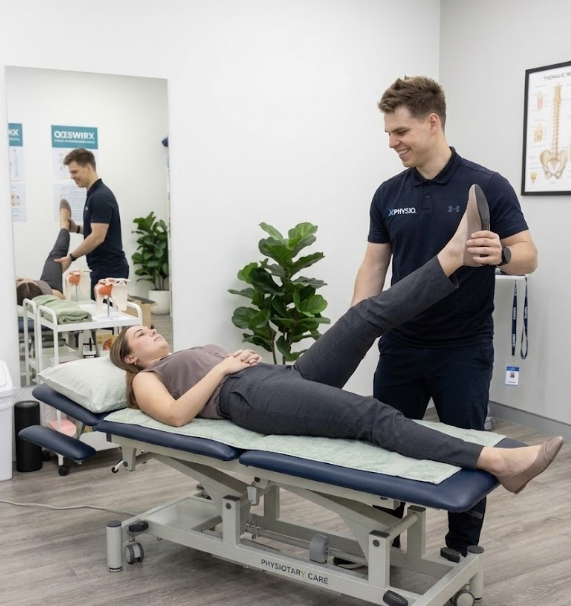
On assessment, it became clear his symptoms were actually coming from sciatic nerve irritation, not muscle tightness.
We introduced:
- Gentle nerve flossing exercises
- Lumbar mobility work
- Gradual loading through strength exercises
Within 2 weeks:
- Pain reduced significantly
- Mobility improved
- He stopped feeling that constant “pulling” sensation
By 6 weeks, he was back to full activity—pain free.
The key? Treating the nervous system, not just the muscles.
Example Nerve Flossing Exercises
Important: These should be pain-free or only mildly uncomfortable. Sharp pain = stop.
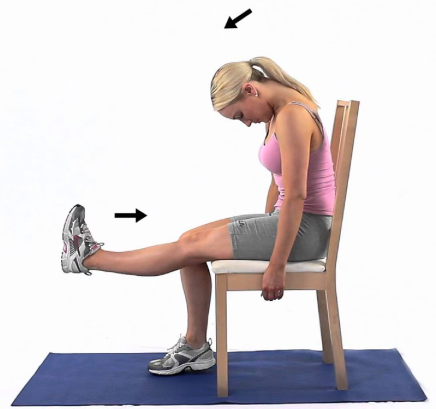
1. Sciatic Nerve Glide (Seated)
- Sit upright
- Straighten one knee while lifting your head up
- Then bend your knee while tucking your chin down
- Repeat 10–15 reps
👉 This creates a sliding motion through the nerve without overloading it.
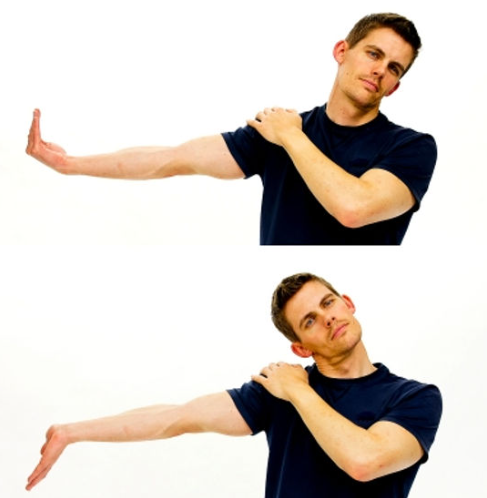
2. Median Nerve Glide (Arm)
- Arm out to the side, palm facing up
- Slowly extend your wrist and fingers
- Tilt your head away from that arm
- Return to neutral
👉 Great for desk workers with wrist or forearm symptoms.
3. Slump Nerve Glide
- Sit slouched
- Straighten one leg
- Look up as you extend the leg
- Look down as you bend it again
👉 Targets neural tension from the spine down the leg.
When Should You Avoid Nerve Flossing?
Nerve flossing is powerful—but not always appropriate.
Avoid or modify if:
- Pain is severe and highly irritable
- Symptoms worsen after each attempt
- You have progressive neurological symptoms (e.g., worsening weakness)
This is why assessment matters—doing the wrong exercise can aggravate things.
If you have severe nerve pain – READ HERE to learn more
Why Nerve Flossing Works (The Science Bit, Made Simple)
Your nerves need to:
- Slide through surrounding tissues
- Tolerate tension and compression
- Receive good blood flow
When a nerve gets irritated:
- Movement becomes restricted
- Sensitivity increases
- Pain signals amplify
Nerve flossing helps by:
- Restoring mobility
- Reducing sensitivity
- Improving circulation around the nerve
Over time, this calms the system down and restores normal function.
Common Mistakes People Make
If you’ve tried nerve flossing before and it didn’t work, it’s often due to:
❌ Going too hard, too soon
Nerves hate aggressive stretching.
❌ Holding stretches too long
These are dynamic movements, not static holds.
❌ Poor technique
Small changes in head or limb position can completely alter the effect.
❌ Not addressing the root cause
Nerve irritation often stems from the spine or surrounding joints.
How Long Until You See Results?
This depends on:
- Severity of the condition
- How long symptoms have been present
- Consistency with exercises
Typically:
- Mild cases → improvement within 1–2 weeks
- Moderate cases → 3–6 weeks
- Chronic issues → longer, but still very manageable
The key is progressive loading, not just doing the same exercise forever.
Nerve Flossing vs Stretching: What’s the Difference?
| Feature | Stretching | Nerve Flossing |
|---|---|---|
| Target | Muscles | Nerves |
| Sensation | Pulling/stretch | Gentle glide |
| Purpose | Lengthen tissue | Restore movement |
| Approach | Static or dynamic | Controlled, repetitive |
Both have their place—but using the wrong one can slow your recovery.
Why You Should See a Physio First
Google can show you exercises—but it won’t tell you:
- Which nerve is involved
- Whether it’s safe to start
- How far to push it
- What else needs to be treated
That’s where physio comes in.
At X Physio, we combine:
- Hands-on treatment
- Targeted exercise prescription
- Movement retraining
- Education so you understand your injury
So you’re not just guessing—you’re progressing.
Final Thoughts
If your pain:
- Travels
- Feels like burning, tingling, or sharp
- Doesn’t improve with stretching
…it might not be a muscle problem.
Nerve flossing exercises physio could be the missing piece in your recovery.
FAQs
What does nerve flossing feel like?
It should feel like a gentle movement or glide—not a strong stretch. You might feel mild tension, but it shouldn’t be painful.
Can nerve flossing make things worse?
Yes, if done incorrectly or too aggressively. That’s why proper assessment and guidance from a physio is important.
How often should I do nerve flossing exercises?
Usually 1–2 times per day, depending on your condition. Your physio will tailor this to you.
Is nerve flossing the same as stretching?
No. Stretching targets muscles, while nerve flossing targets the movement of nerves through surrounding tissues.
How long does it take for nerve pain to settle?
It varies, but many people see improvement within a few weeks with the right treatment.
References
- https://www.physio-pedia.com/Neural_Mobilisation
- https://www.ncbi.nlm.nih.gov/pmc/articles/PMC2565076/
- https://www.healthline.com/health/nerve-flossing
- https://www.physio-network.com/blog/neural-mobilisation-explained/
- https://www.spine-health.com/conditions/sciatica/what-you-need-know-about-sciatica
Ready to fix the real cause of your pain—not just the symptoms?
Give us a call today on 9806 3077, or book online, just CLICK HERE: https://x-physio.au4.cliniko.com/bookings#service