
101) Jumper’s Knee (Patellar Tendinopathy): Physiotherapy Treatment Plan That Works
Jumper’s knee (patellar tendinopathy) is a stubborn tendon condition caused by poor load tolerance, not inflammation. The most effective jumper’s knee physiotherapy treatment uses progressive strengthening, smart load management, and movement retraining to reduce pain and get you back to sport — without relying on rest alone.
If Your Knee Pain Keeps Coming Back, This Is Why
You rest it.
It feels better.
You train again.
And the pain comes straight back.
If that sounds familiar, you’re not broken — you’re just treating jumper’s knee the wrong way.
Jumper’s knee (also known as patellar tendinopathy) is one of the most misunderstood knee conditions we see in the clinic. And unfortunately, outdated advice like “just rest it” or “stretch more” keeps people stuck in pain for months… sometimes years.
The good news?
When treated properly, outcomes are excellent.
This blog walks you through:
- What jumper’s knee really is
- Why rest and anti-inflammatories usually fail
- What actually works in jumper’s knee physiotherapy
- How long recovery really takes
- And how we help patients return to sport pain-free
👉 If knee pain is stopping you from training, jumping, running or squatting — keep reading.
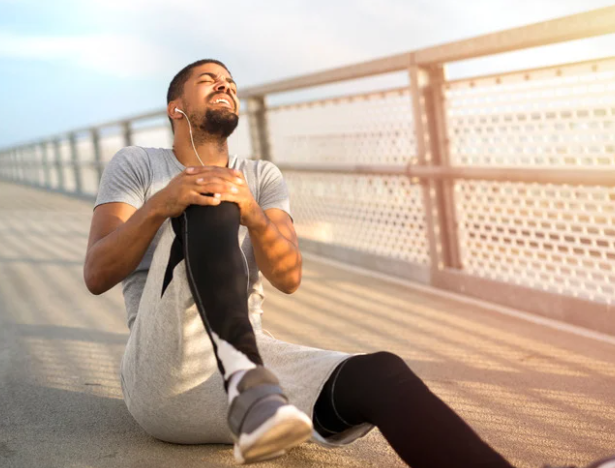
What Is Jumper’s Knee (Patellar Tendinopathy)?
Jumper’s knee is a load-related tendon condition affecting the patellar tendon — the strong tendon connecting your kneecap (patella) to your shin bone (tibia).
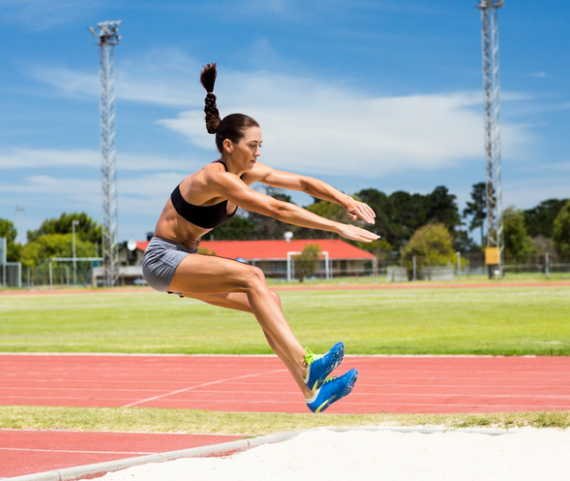
It’s most common in sports that involve:
- Jumping
- Sprinting
- Sudden changes of direction
- Repeated knee loading
We frequently see jumper’s knee in:
- Basketball
- Volleyball
- Netball
- AFL & soccer
- CrossFit & gym-based training
- Runners (especially hill or speed work)
Despite the name, you don’t have to be a professional athlete. We see plenty of recreational athletes and active adults with patellar tendon pain.
Jumper’s Knee vs Patellar Tendonitis (Why Words Matter)
You’ll often hear the term patellar tendonitis, but this is outdated.
Here’s the key difference:
- Tendonitis = inflammation (short-term)
- Tendinopathy = tendon degeneration + poor load tolerance (long-term)
Most people with jumper’s knee have patellar tendinopathy, not inflammation.
Why this matters:
- ❌ Anti-inflammatories don’t fix the tendon
- ❌ Complete rest weakens it further
- ✅ Progressive loading helps it adapt and heal
This is why modern jumper’s knee physiotherapy focuses on strengthening — not resting forever.
If your pain is more brouadly found around the knee cap, read our blog on Knee Cap Related Pain
Common Symptoms of Jumper’s Knee
Jumper’s knee often starts quietly and worsens over time.
Typical symptoms include:
- Pain just below the kneecap
- Stiffness at the start of training
- Pain during jumping, squatting or running
- Ache after sport or gym sessions
- Reduced power and confidence in the knee
Early on, pain may “warm up” with activity. Later, it can linger, limit performance, and even affect everyday tasks like stairs or getting out of a chair.
Why Rest Alone Doesn’t Work (And Often Makes It Worse)
Short-term load reduction can help settle pain — but complete rest is rarely the answer.
Tendons are load-responsive tissues. They need the right amount of stress to regain strength and capacity.
Think of it like this:
- Too much load → pain flare-ups
- Too little load → weaker tendon
- The right load → adaptation and recovery
Without a structured plan, most people either:
- Push too hard too soon, or
- Rest too much and lose tendon capacity
This is where physiotherapy makes the difference.
Jumper’s Knee Physiotherapy: What Actually Works
1. Thorough Assessment (Not Guesswork)
Effective treatment starts with understanding why your tendon is overloaded.
Your physiotherapist will assess:
- Training volume and recent load spikes
- Jumping and landing mechanics
- Hip, knee and ankle strength
- Quadriceps and calf capacity
- Mobility restrictions
- Recovery habits
This ensures treatment targets the cause, not just the pain.
2. Pain-Modulating Isometric Exercises (Early Phase)
Isometric loading is often used early to:
- Reduce pain
- Maintain strength
- Allow modified training to continue
Common examples include:
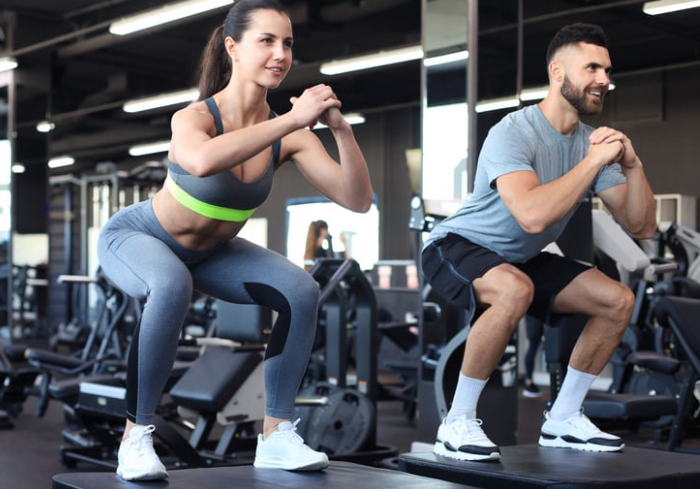
- Spanish squats
- Wall sits
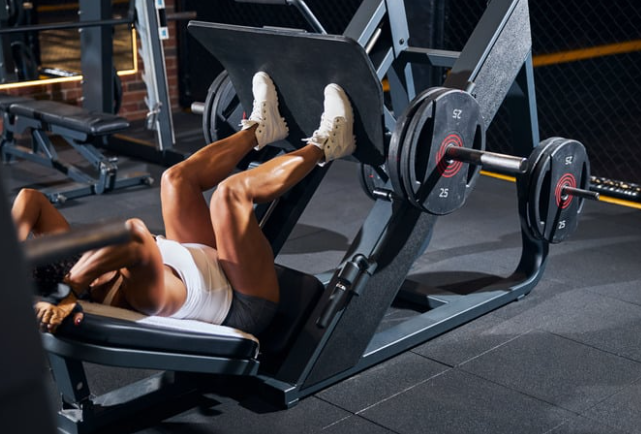
- Isometric leg press holds
Pain is carefully monitored and kept within safe limits. This helps calm symptoms without shutting everything down.
3. Progressive Strength Training (The Foundation)
This is the cornerstone of jumper’s knee physiotherapy.
Key principles:
- Slow, controlled loading
- Progressive resistance
- Tendon-specific stress
- Patience (weeks, not days)
Common exercises include:
- Decline squats
- Heavy slow squats
- Split squats
- Step-downs
- Leg press
- Calf strengthening
Strength programs are progressed gradually to rebuild tendon capacity safely.
4. Fixing the Bigger Picture
The tendon is rarely the only issue.
Your physio will also address:
- Poor hip and glute strength
- Limited ankle mobility
- Knee valgus (collapse)
- Poor landing mechanics
- Sudden training load increases
We don’t just treat the tendon — we fix what’s overloading it.
5. Return-to-Sport & Plyometric Training
Once strength improves and pain is under control, jumping and sport-specific drills are reintroduced.
This may include:
- Hopping progressions
- Acceleration and deceleration drills
- Change-of-direction work
- Sport-specific jump patterns
Return to sport is planned, not rushed.
Real Patient Example (Local to Frenchs Forest NSW)
We recently treated a 29-year-old recreational netballer who travelled to our clinic from a surrounding suburb near Frenchs Forest, NSW.
She had over 5 months of patellar tendon pain that worsened with jumping and squatting. Previous advice had been rest, icing, and stretching — none of which worked long-term.
After 12 weeks of structured jumper’s knee physiotherapy focusing on progressive tendon loading, hip strengthening, and controlled return to jumping, she returned to full games pain-free and reported improved confidence and performance on court.
How Long Does Jumper’s Knee Take to Heal?
Recovery time depends on:
- How long symptoms have been present
- Tendon load tolerance
- Consistency with rehab
Typical timelines:
- Mild cases: 6–8 weeks
- Moderate cases: 8–12 weeks
- Long-standing cases: 3–6 months
The key predictor of success? Doing the rehab properly.
Can You Still Train With Jumper’s Knee?
In most cases — yes.
Your physiotherapist will guide:
- What you can continue
- What needs temporary modification
- How to progress safely
Staying active (with the right loads) usually leads to better outcomes than stopping completely.
Why Physiotherapy Is the Best Treatment for Jumper’s Knee
Jumper’s knee physiotherapy provides:
- Evidence-based treatment
- Individualised loading programs
- Movement retraining
- Safer, faster return to sport
- Long-term solutions, not quick fixes
If your knee pain keeps coming back, it’s usually because the tendon hasn’t been rebuilt properly — yet.
Ready to Fix Your Jumper’s Knee?
If knee pain is stopping you from training, jumping or playing sport, don’t just rest and hope.
Proper physiotherapy works.
👉 Give us a call today on 9806 3077, or book online, just CLICK HERE
Frequently Asked Questions (FAQs)
Is jumper’s knee permanent?
No. With proper physiotherapy and progressive loading, most people make a full recovery.
Should I stop all sport with jumper’s knee?
Not always. Many people can continue modified training under physio guidance.
Are scans necessary for jumper’s knee?
Imaging isn’t always required. Diagnosis is usually clinical.
Do knee straps or braces help?
They may reduce symptoms short-term but don’t fix the underlying problem.
Is surgery required for patellar tendinopathy?
Surgery is rarely needed and only considered after failed conservative treatment.
References
-
Cook JL, Purdam CR. Is tendon pathology a continuum? British Journal of Sports Medicine
https://bjsm.bmj.com/content/43/6/409 -
Malliaras P, Barton CJ, Reeves ND, Langberg H. Achilles and patellar tendinopathy loading programmes. Sports Medicine
https://link.springer.com/article/10.1007/s40279-013-0019-z -
Physiopedia – Patellar Tendinopathy
https://www.physio-pedia.com/Patellar_Tendinopathy -
Sports Medicine Australia – Tendon Injuries
https://sma.org.au/resources-advice/injury-fact-sheets/tendon-injuries/ -
Australian Institute of Sport – Tendon Load Management
https://www.ais.gov.au/position_statements/best_practice_content/tendon_load_management