
81) IT Band Syndrome: How Physio Helps Runners Beat Outer Knee Pain
Feeling a sharp ache or burning pain on the outside of your knee after a run? You might be dealing with IT Band Syndrome — one of the most common overuse injuries in runners. The good news? With the right IT band syndrome physiotherapy, you can get back to running pain-free faster than you think. Let’s break down what causes it, how physio helps, and what a real recovery looks like.
What Is IT Band Syndrome?
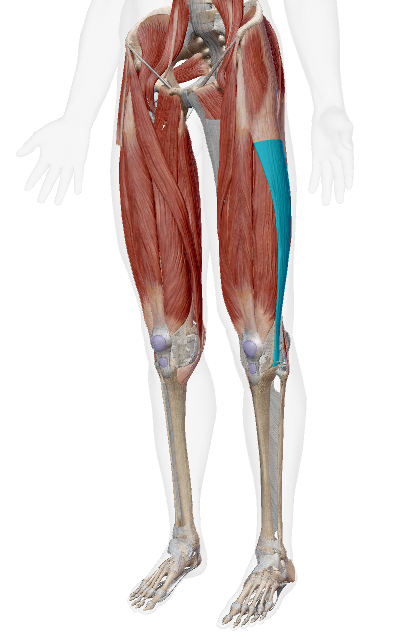
The Iliotibial (IT) Band is a thick band of connective tissue that runs along the outer thigh from the hip to the knee. It plays a key role in stabilising your knee during movement, especially when running or cycling.
IT Band Syndrome (ITBS) happens when this band becomes irritated or inflamed as it rubs repeatedly against the outside of the femur near the knee. The result? Pain that starts subtly and worsens the more you train — particularly during long runs, downhill running, or after increasing your mileage too quickly.
Common Symptoms of IT Band Syndrome
Typical signs of IT band irritation include:
- Sharp or burning pain on the outside of the knee, especially after a few kilometres into your run
- Pain that worsens with downhill or repetitive knee bending
- Tenderness or a “snapping” feeling along the outer knee
- Mild swelling or tightness around the hip or thigh
- Discomfort when going up or down stairs
Left untreated, it can develop into a chronic issue, sidelining your running and daily activities for weeks or even months.

What Causes IT Band Syndrome?
Contrary to popular belief, ITBS isn’t just about “tightness.” It’s usually a result of biomechanical imbalances and training errors that cause excessive strain on the IT band.
Here are the most common causes we see at X Physio Frenchs Forest:
1. Weak Glutes and Hips
When the gluteus medius and other hip stabilisers aren’t doing their job, the IT band picks up the slack — increasing friction and irritation along the knee.
2. Poor Running Form
Over-striding, inward knee collapse (valgus), and running with excessive hip drop all contribute to increased IT band tension.
3. Sudden Training Load Increases
Jumping from 5km runs to 10km overnight, or adding extra hill sessions, can quickly overload the IT band.
4. Muscle Imbalances
Tightness in the tensor fasciae latae (TFL) and quadriceps, combined with weak hamstrings or glutes, creates a perfect storm for IT band irritation.
5. Footwear & Surface Changes
Old running shoes, hard surfaces, or constantly running on cambered roads can all change your lower limb biomechanics, leading to ITBS.

How Physiotherapy Helps IT Band Syndrome
At X Physio, our approach to IT band syndrome physiotherapy goes beyond treating symptoms. We focus on identifying why the problem started, fixing those root causes, and guiding you back to safe, pain-free running.
Here’s what your treatment may include:
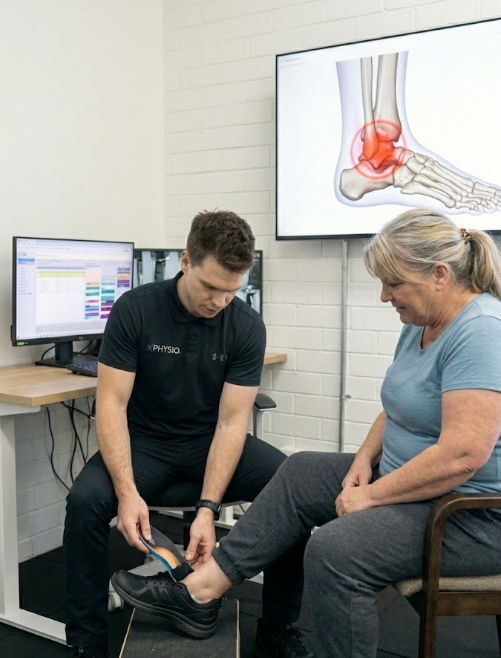
1. Comprehensive Assessment
Your physiotherapist will start by assessing your:
- Running gait and biomechanics
- Hip, knee and ankle alignment
- Strength and flexibility of key muscle groups
- Training history and footwear habits
This helps pinpoint whether your IT band pain is truly ITBS or something else, such as:
- Lateral meniscus irritation
- Biceps femoris tendinopathy
- Lateral collateral ligament (LCL) strain
Correct diagnosis is key — and that’s where expert physiotherapy makes all the difference.
2. Hands-On Manual Therapy
Early treatment often includes manual techniques to reduce pain and tension, such as:
- Soft tissue release and deep massage to the TFL, glutes and IT band
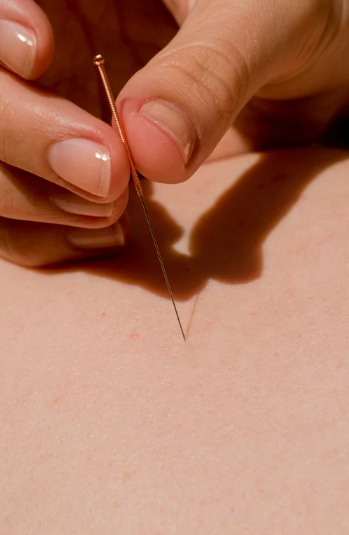
- Dry needling or trigger point therapy
- Joint mobilisation to restore proper knee and hip movement
These methods improve mobility, circulation, and reduce inflammation in the irritated tissue.
3. Targeted Strengthening Program
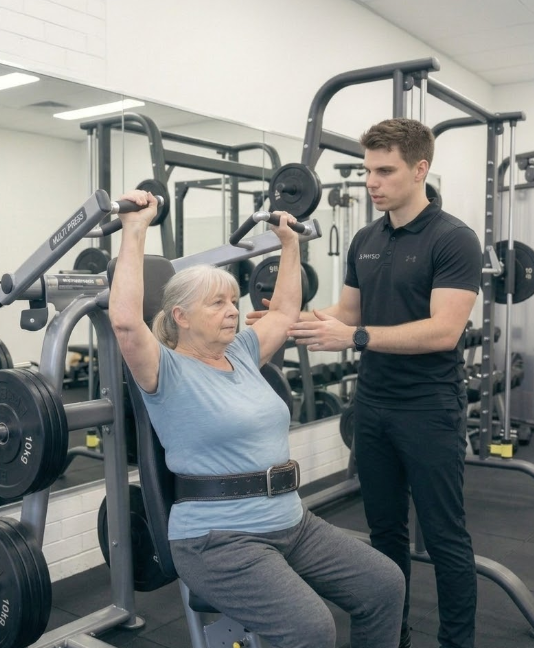
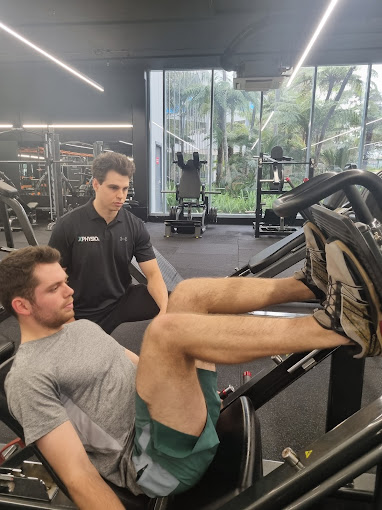
Your physio will prescribe tailored exercises to build hip and glute strength, improve stability, and correct imbalances.
Examples might include:
- Clamshells and side-lying leg raises for glute activation
- Single-leg squats and step-downs for knee control
- Hip bridge variations to stabilise the pelvis
We focus on quality of movement rather than just reps — ensuring the right muscles are doing the work.
4. Running Technique Coaching
Small changes to your running technique can make a huge difference. Our physiotherapists assess your gait and may recommend:
- Increasing your cadence (steps per minute) slightly
- Avoiding over-striding
- Strengthening your core to control hip movement
We often use video gait analysis to show you exactly what’s happening during your stride.
5. Load Management and Recovery Planning
Your recovery plan includes guidance on:
- When it’s safe to return to running
- How to cross-train (cycling, swimming, elliptical)
- Progressing mileage and intensity safely
- Using foam rolling and stretching effectively
We work closely with you to ensure you maintain fitness while allowing your IT band to heal properly.
Example: How Physio Helped a Local Runner from Dee Why
Recently, we saw Sarah, a 34-year-old recreational runner from Dee Why, who came to X Physio Frenchs Forest after developing sharp outer knee pain during her half-marathon training.
She’d tried rest and foam rolling without success — every time she hit the 7km mark, the pain returned. After a thorough biomechanical assessment, we discovered hip weakness and over-striding were the main culprits.
Over six weeks of IT band syndrome physiotherapy, including dry needling, glute strengthening, and minor gait tweaks, Sarah was back running pain-free. She completed her half-marathon comfortably — and now includes glute activation exercises in her regular warm-up to prevent flare-ups.
How Long Does IT Band Syndrome Take to Heal?
Recovery time depends on the severity of your symptoms and how early you start physiotherapy.
- Mild cases: 2–4 weeks with consistent rehab
- Moderate cases: 4–6 weeks with strengthening and gait correction
- Chronic cases: 8+ weeks if inflammation and muscle imbalance are significant
The earlier you address it, the faster you’ll return to your normal running routine.
Can You Keep Running With IT Band Pain?
Running through pain might seem harmless at first, but it can worsen inflammation and delay recovery. Instead, focus on low-impact cross-training (swimming, cycling, or elliptical) while following your physiotherapist’s advice.
Once your pain settles and you’ve rebuilt strength, we’ll guide you through a graded return-to-run program to get you safely back on track.
Why Choose X Physio for IT Band Syndrome Treatment
At X Physio Frenchs Forest, we take a holistic approach that focuses on recovery and prevention. You’ll get:
✅ A clear diagnosis and treatment plan
✅ Hands-on therapy to relieve pain fast
✅ Strength and stability training tailored to your body
✅ Running and load management coaching
✅ Ongoing support to stop ITBS from coming back
Our physios have extensive experience helping runners from Frenchs Forest, Dee Why, Belrose, and the Northern Beaches overcome IT band syndrome and keep running strong.
Takeaway
IT band syndrome physiotherapy works — when it targets the cause, not just the symptoms. Whether you’re chasing a PB or simply love your morning run, physiotherapy can help you recover faster, build strength, and keep pain away for good.
Don’t wait for it to become a chronic issue.
Give us a call today on 9806 3077, or book online, just CLICK HERE.
References
- Running Physio – Understanding IT Band Syndrome
- Physiopedia – Iliotibial Band Syndrome
- X Physio Blog – Running Injuries and How Physiotherapy Can Help
FAQs
Q1: What is the fastest way to heal IT band syndrome?
A combination of rest, manual therapy, and targeted strengthening is the fastest way to recover. Physiotherapy helps address the root cause and prevent flare-ups.
Q2: Should I foam roll my IT band?
Foam rolling the IT band itself can be uncomfortable and not very effective. Instead, roll around the glutes, hips, and quads to relieve tension in the surrounding muscles.
Q3: Can IT band syndrome go away on its own?
Mild cases might improve with rest, but without addressing muscle imbalances or running form, it’s likely to return. Physiotherapy ensures long-term recovery.
Q4: How do I know if I have IT band syndrome or something else?
Outer knee pain can come from other conditions like lateral meniscus issues or hamstring tendinopathy. A physiotherapist can perform specific tests to confirm the diagnosis.
Q5: When can I start running again after IT band syndrome?
You can return to running once you can walk and squat pain-free, and have completed basic strength and control exercises without irritation. Your physio will guide your progression safely.