
99) Hip Flexor Strain: How Physio Helps with Pain and Restoring Mobility
A hip flexor strain can cause sharp groin or hip pain, stiffness and difficulty walking, running or standing upright. Hip flexor strain physiotherapy helps reduce pain, restore mobility and rebuild strength — while addressing the underlying causes so the injury doesn’t keep coming back. Keep reading for expert physio tips and real recovery stories.
Got a sore hip that just won’t loosen up?
You’re not alone.
Hip flexor strains are one of those injuries that sneak up on you — especially if you’re a runner, sit most of the day, or are getting a little stiffer with age. One day you’re fine, the next you’re struggling to lift your leg, stand up straight, or get through your usual walk or jog without pain.
The good news?
With the right hip flexor strain physiotherapy, most people recover well — without scans, injections or long-term issues.
Let’s break down what’s really going on, how physio helps, and what recovery actually looks like in the real world.
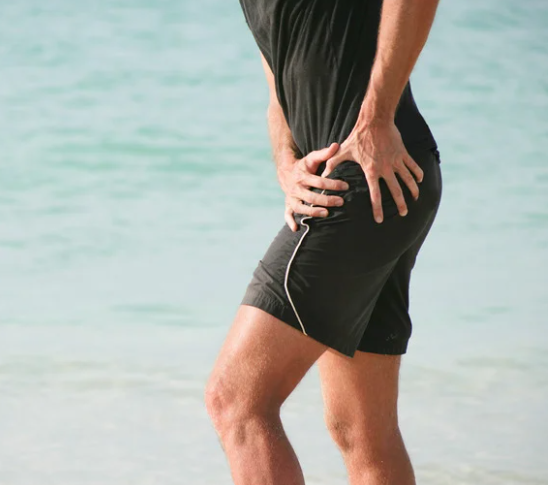
What is a hip flexor strain?
Your hip flexors are a group of muscles at the front of your hip that help lift your knee and bend your hip. The main ones include:
- Iliopsoas (iliacus + psoas major)
- Rectus femoris (part of the quadriceps)
- Sartorius
A hip flexor strain occurs when one or more of these muscles is overstretched or overloaded, leading to small muscle tears and inflammation.
Common signs and symptoms
Hip flexor strains don’t always feel dramatic at first. Common symptoms include:
- Pain at the front of the hip or deep in the groin
- Pain when lifting the knee or walking uphill
- Tightness or pulling when standing up straight
- Reduced stride length when walking or running
- Weakness when climbing stairs
- Pain after sitting for long periods
In more severe cases, you may notice bruising, swelling or a sharp pain during activity.

Who is most at risk?
Hip flexor strains are particularly common in:
🏃 Runners
- Sudden increases in mileage or speed
- Sprinting or hill training
- Poor hip strength or overstriding
🪑 People who sit a lot
- Office workers
- Drivers
- Students
Long periods of sitting shorten the hip flexors, making them vulnerable when you suddenly ask them to work.
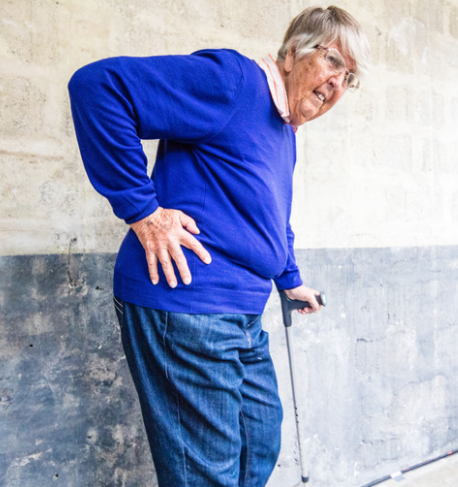
👵 Seniors
- Reduced hip strength
- Stiffer joints
- Changes in walking mechanics
Age-related muscle weakness and balance changes increase strain on the hip flexors during everyday movements.
What actually causes a hip flexor strain?
While it often feels like it “came out of nowhere”, there’s usually more going on under the surface.
Common contributors include:
- Tight hip flexors from prolonged sitting
- Weak glutes and core muscles
- Poor running or walking mechanics
- Reduced hip joint mobility
- Sudden spikes in activity
- Inadequate warm-up or recovery
This is why rest alone rarely fixes the problem long-term.
Why rest and stretching alone often isn’t enough
Many people try to self-manage a hip flexor strain by:
- Resting completely
- Stretching aggressively
- Using heat or massage
While these can help symptoms temporarily, they don’t address why the strain happened in the first place.
Without proper rehabilitation:
- Pain often returns when activity resumes
- Mobility remains limited
- Compensations develop in the lower back or knee
- The injury becomes chronic
This is where hip flexor strain physiotherapy makes a big difference.
How physiotherapy helps a hip flexor strain
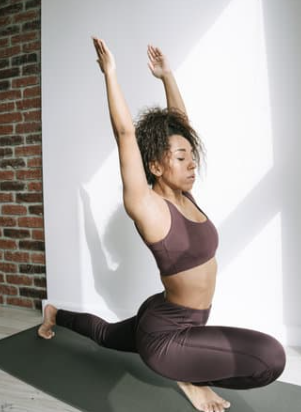
Physiotherapy isn’t just about easing pain — it’s about restoring confident movement and preventing recurrence.
1. Accurate diagnosis
Not all front-of-hip pain is a hip flexor strain.
Your physiotherapist will rule out:
- Hip joint arthritis
- Labral issues
- Stress reactions
- Lumbar spine referral
- Sports hernia-type injuries
Getting the diagnosis right is critical for recovery.
2. Pain relief and early management
In the early phase, physio helps calm symptoms using:
- Hands-on soft tissue techniques
- Gentle joint mobilisation
- Load modification advice
- Activity guidance (what to avoid vs what to keep doing)
This reduces pain without completely shutting you down.
3. Restoring hip mobility
Stiff hips place extra strain on the hip flexors.
Physiotherapy focuses on improving:
- Hip extension range
- Pelvic control
- Lumbar–hip coordination
This helps you move more freely and efficiently again.
4. Strengthening the right muscles
One of the biggest mistakes is only stretching the hip flexors.
Your rehab will also target:
- Glutes (especially glute max and med)
- Deep core muscles
- Hip stabilisers
- Controlled hip flexor loading (progressively)
This allows the muscle to heal stronger, not just looser.

5. Movement retraining
Whether you’re running, walking or standing up from a chair, your physio will look at how you move.
This may include:
- Gait retraining
- Running drills
- Posture and desk advice
- Gradual return-to-activity planning
A real patient story from our clinic
Recently, we saw Mark, a 47-year-old recreational runner who travelled to our clinic from Belrose, just a few minutes from Frenchs Forest NSW.
Mark developed a nagging front-of-hip pain that worsened during his morning runs and made sitting at work uncomfortable. Rest helped temporarily, but every attempt to return to running brought the pain straight back.
What we found
- Tight iliopsoas and rectus femoris
- Weak glutes and poor hip extension during running
- Reduced pelvic control when fatigued
His physiotherapy program included
- Manual therapy to reduce hip flexor tone
- Progressive hip and glute strengthening
- Running retraining to reduce overstriding
- Gradual return-to-run plan
The outcome
Within 6 weeks, Mark:
- Returned to pain-free running
- Could sit comfortably all day
- Improved his stride efficiency
- Reported feeling “stronger than before the injury”
Most importantly, he avoided repeated flare-ups.
How long does recovery take?
Recovery depends on severity and consistency with rehab:
- Mild strains: 2–4 weeks
- Moderate strains: 4–8 weeks
- Chronic or recurrent strains: 8–12+ weeks
Early physiotherapy almost always shortens recovery time.
Can you keep exercising with a hip flexor strain?
In most cases — yes, but with guidance.
Your physio will help you:
- Modify training loads
- Maintain fitness safely
- Avoid movements that delay healing
Complete rest is rarely necessary and often slows recovery.
V

Why early physio matters
Delaying treatment increases the risk of:
- Chronic hip pain
- Compensation into the lower back
- Reduced walking or running tolerance
- Repeated strains
Early hip flexor strain physiotherapy means faster recovery and better long-term results.
When should you see a physio?
Book in if you:
- Have hip pain lasting more than 7–10 days
- Feel pain when lifting your leg or walking
- Keep re-injuring the same area
- Sit a lot and feel tight or sore through the hips
- Want to return to running or exercise safely
Hip flexor pain doesn’t have to slow you down or become “one of those things you live with”.
With the right physiotherapy plan, you can move freely again — and stay that way.
FAQs – Hip Flexor Strain Physiotherapy
What is the fastest way to heal a hip flexor strain?
Early physiotherapy, load management, targeted strengthening and gradual return to activity are the most effective ways to heal a hip flexor strain quickly and safely.
Should I stretch a hip flexor strain?
Gentle stretching may help, but aggressive stretching too early can delay healing. A physiotherapist will guide the right timing and intensity.
Can a hip flexor strain cause lower back pain?
Yes. Tight or weak hip flexors can alter pelvic position and increase load on the lower back.
Is walking good for a hip flexor strain?
Usually yes, provided it doesn’t increase pain. Walking is often encouraged with modifications early on.
How do I know if my hip pain is a strain or something else?
Hip pain can come from the joint, spine or surrounding structures. A physiotherapist can assess and diagnose the cause accurately.
References
- Sports Medicine Australia – Hip Flexor Injuries
- https://sma.org.au/resources/injury-fact-sheets/hip-flexor-strain/
- Physiopedia – Hip Flexor Strain
- https://www.physio-pedia.com/Hip_Flexor_Strain
- Better Health Victoria – Muscle Strains
- https://www.betterhealth.vic.gov.au/health/conditionsandtreatments/muscle-strain
- Related blog: Why Sitting All Day Wrecks Your Hips (And What Physio Can Do)
- https://www.healthline.com/health/tight-hips
- Related blog: Running Injuries – When to See a Physio
- https://www.sportsphysio.org.au/blog/common-running-injuries-and-how-physio-can-help/
- Related Blog: Hip Labral Tears
- https://xphysio.com.au/hip-labral-tear-physiotherapy-guide/
Ready to move without hip pain?
Give us a call today on 9806 3077, or book online, just CLICK HERE:
👉 https://x-physio.au4.cliniko.com/bookings#service