
110) High Ankle Sprain: Why It Responds Best With Physio
A high ankle sprain often takes longer to recover than a typical ankle sprain because it involves the ligaments that stabilise the lower leg bones rather than just the ankle joint itself. If you’re struggling with high ankle sprain recovery, the right physiotherapy treatment can speed things up, prevent long-term problems, and get you back to sport or work sooner.
What Is a High Ankle Sprain?
Most people think all ankle sprains are the same. In reality, there are different types.
A high ankle sprain occurs when the ligaments connecting the tibia and fibula (the two bones of the lower leg) are injured. These ligaments are called the syndesmosis and they help stabilise the ankle when you twist, run, or change direction.
This is different from a standard ankle sprain, which usually affects the ligaments on the outside of the ankle.
High ankle sprains commonly occur during:
- Football or rugby tackles
- Sudden twisting while the foot is planted
- Skiing or snowboarding falls
- Running or pivoting sports
- Slipping or awkward landings
Because these ligaments stabilise the entire lower leg, injuries here often take significantly longer to heal.
Why High Ankle Sprain Recovery Takes Longer
A lot of patients ask us the same question:
“Why is my ankle sprain taking so long to heal?”
The answer usually comes down to the type of ligament involved.
1. The Ligaments Are Under Constant Stress
The syndesmosis ligaments hold the tibia and fibula together.
Every time you:
- Walk
- Run
- Jump
- Twist your foot
Those bones naturally separate slightly.
When the ligaments are injured, every step stresses the injury, which slows healing.
2. Poor Blood Supply
Ligaments naturally have less blood supply than muscles, which means slower healing.
The syndesmosis area has even less circulation, which can extend recovery time.
3. The Injury Is Often More Severe
High ankle sprains are commonly seen in contact sports and high-impact injuries.
This often means:
- Greater ligament damage
- More swelling
- More joint instability
In some cases, the injury may even involve a small fracture or severe ligament tear.
4. The Joint Needs Time to Regain Stability
Even after pain settles, the ankle may still feel:
- Weak
- Unstable
- Stiff
- Painful during twisting movements
Without proper rehabilitation, people often return to activity too soon, leading to reinjury.
This is why structured physiotherapy is essential for high ankle sprain recovery.

Symptoms of a High Ankle Sprain
A high ankle sprain can sometimes be mistaken for a regular ankle sprain.
However, there are a few signs that make it different.
Common symptoms include:
- Pain above the ankle joint
- Pain when twisting the foot outward
- Difficulty pushing off when walking
- Swelling in the front of the ankle
- Tenderness between the tibia and fibula
- Pain when walking uphill or running
Many patients also report that walking feels unstable or weak.
If these symptoms persist for more than a few days, it’s worth getting assessed by a physiotherapist.
How Long Does High Ankle Sprain Recovery Take?
Recovery depends on the severity of the ligament injury.
Typical recovery timelines are:
| Injury Severity | Recovery Time |
|---|---|
| Mild syndesmosis sprain | 4–6 weeks |
| Moderate sprain | 6–10 weeks |
| Severe sprain | 10–16+ weeks |
Athletes may require even longer rehabilitation before returning to sport.
Without proper treatment, symptoms can linger for months or even years.
Why Early Physiotherapy Is Important
Many people wait weeks before getting treatment.
Unfortunately, this can slow recovery.
Early physiotherapy helps to:
- Reduce swelling and pain
- Restore ankle movement
- Improve joint stability
- Prevent chronic ankle instability
- Speed up return to sport or work
Early treatment also helps identify whether further scans or specialist care are required.

How Physiotherapy Helps High Ankle Sprain Recovery
Physiotherapy focuses on restoring strength, mobility and stability to the ankle.
Treatment usually progresses through several phases.
Phase 1: Pain and Swelling Reduction
Early treatment focuses on calming the injury.
This may include:
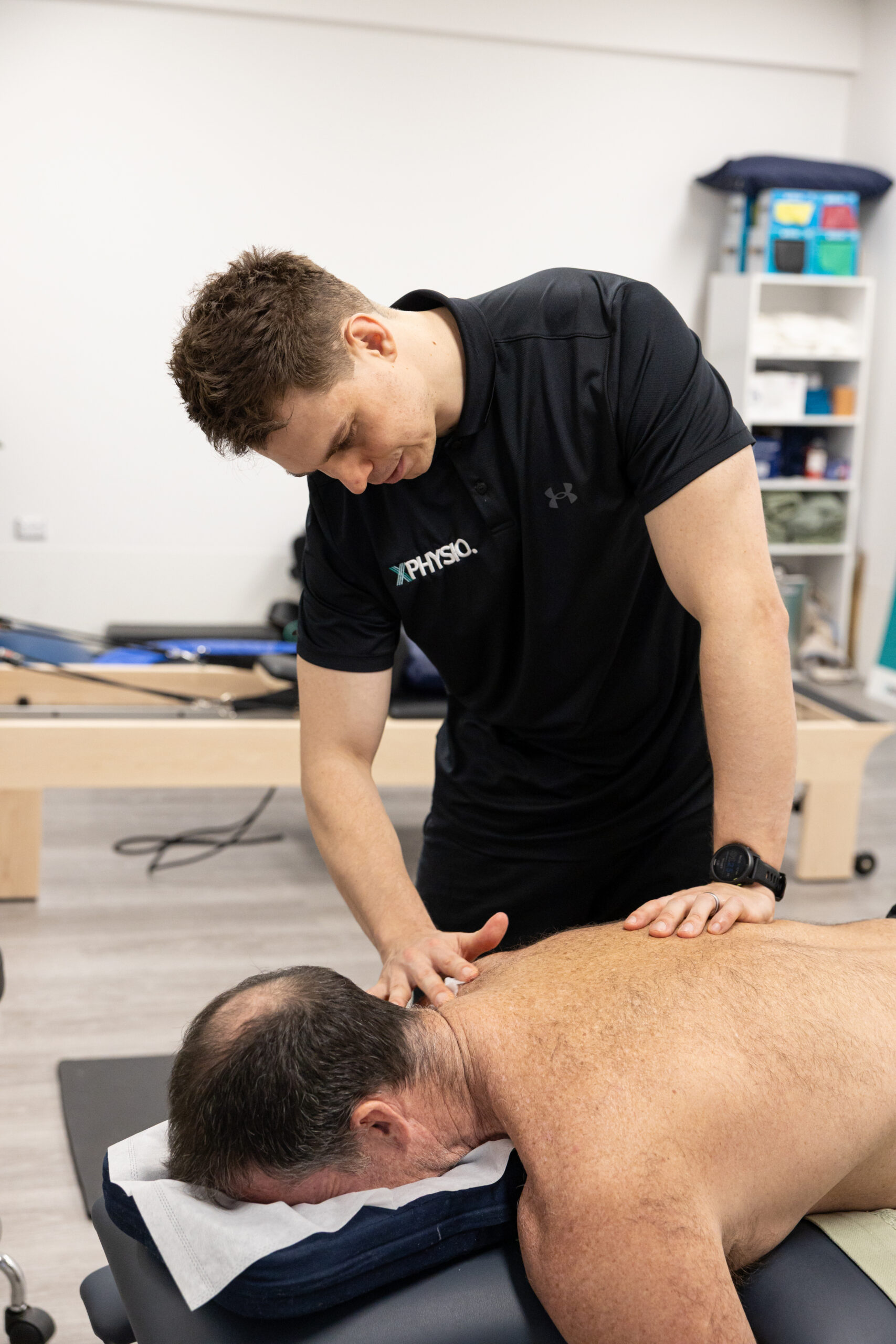
- Manual therapy
- Gentle mobility exercises
- Taping or bracing
- Load management advice
Reducing inflammation early helps create the right environment for healing.
Phase 2: Restoring Mobility
Once pain improves, treatment focuses on restoring ankle movement.
Stiffness often develops in the:
- ankle joint
- calf muscles
- surrounding ligaments
Your physio may guide you through:
- ankle mobility drills
- stretching exercises
- joint mobilisation techniques
This helps restore normal movement patterns.
Phase 3: Strength and Stability Training
This stage is essential for preventing reinjury.
Exercises typically include:
- calf strengthening
- balance training
- resistance band exercises
- foot stability drills
These exercises retrain the muscles that protect the ankle during sport and daily activity.
Phase 4: Return to Sport or Activity
The final stage prepares the ankle for higher loads and impact.
This might involve:
- hopping drills
- running progressions
- agility training
- change-of-direction exercises
Returning too early is a common cause of recurrent ankle sprains, so gradual progression is key.
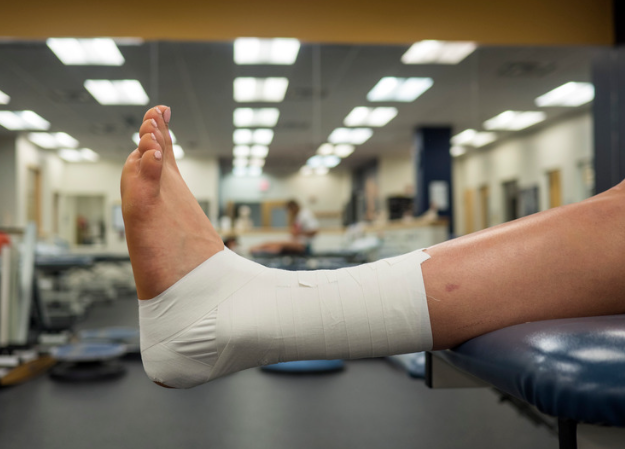
A Recent Patient Success Story
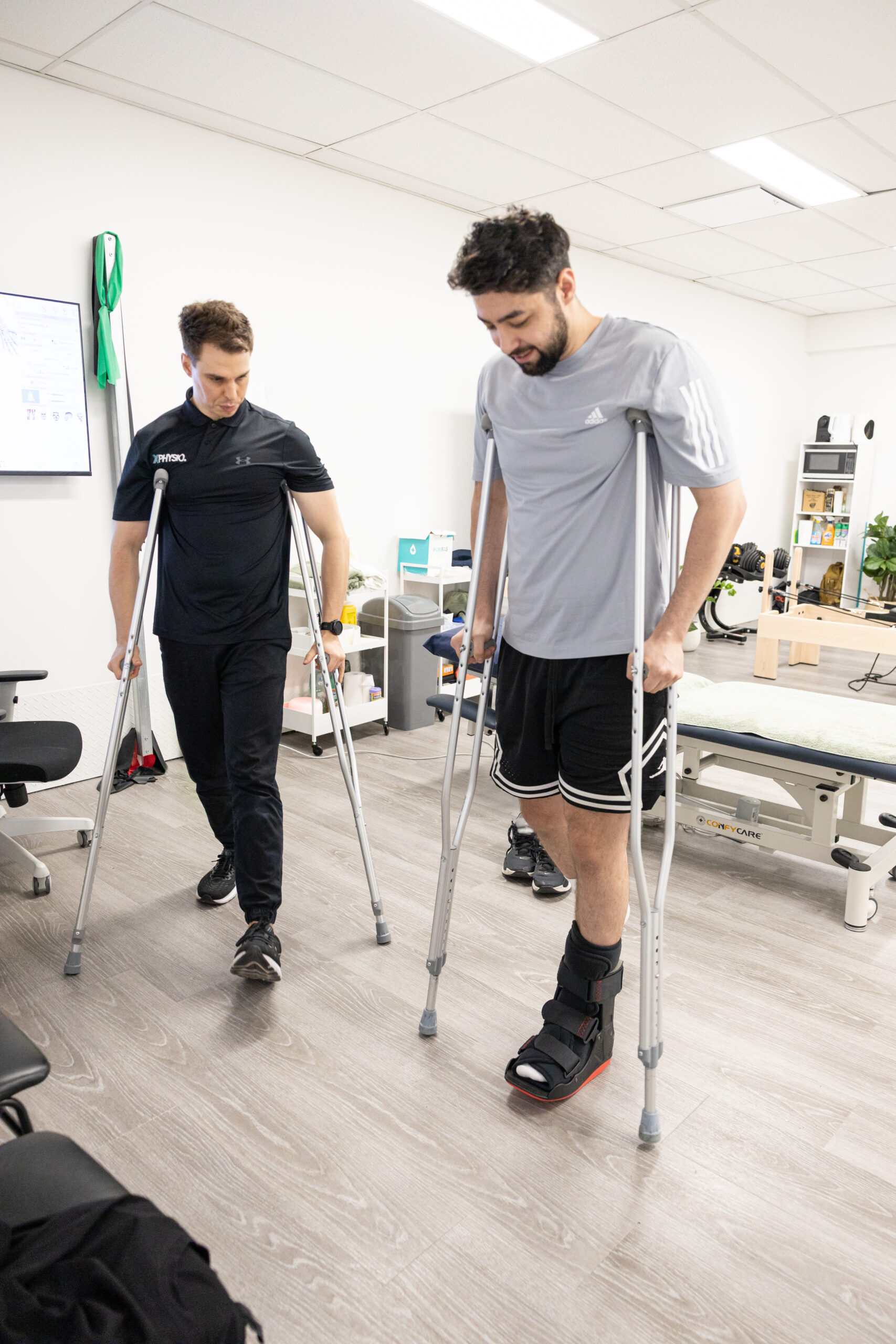
We recently saw a patient in our clinic who had been struggling with high ankle sprain recovery for over six weeks.
He came to see us at X-Physio in Frenchs Forest NSW after injuring his ankle playing social football.
The patient travelled from Belrose, a nearby suburb, because he was frustrated that the pain simply wasn’t improving.
His symptoms included:
- pain above the ankle joint
- difficulty pushing off when walking
- swelling after activity
- weakness during single-leg movements
Assessment confirmed a syndesmosis (high ankle) sprain.
We started a structured physiotherapy program that included:
- ankle joint mobilisation
- strength and stability exercises
- progressive loading
- return-to-running drills
Within three weeks, he reported significant improvements in:
- pain levels
- ankle strength
- walking tolerance
By week five, he had returned to light jogging and training.
This is a great example of how targeted physiotherapy can accelerate high ankle sprain recovery and help patients return to the activities they enjoy.
What Happens If a High Ankle Sprain Is Left Untreated?
Ignoring the injury or returning to activity too early can lead to long-term problems.
Potential complications include:
- chronic ankle instability
- persistent pain
- reduced ankle mobility
- recurring ankle sprains
- early ankle arthritis
Proper rehabilitation dramatically reduces these risks.
When Should You See a Physiotherapist?
You should seek assessment if:
- ankle pain lasts longer than 5–7 days
- swelling keeps returning
- walking is painful or unstable
- sport or exercise aggravates symptoms
- you suspect a high ankle sprain
Early assessment ensures the correct diagnosis and treatment plan.
Key Takeaways
A high ankle sprain is more complex than a standard ankle sprain and often takes longer to heal.
Because the ligaments connect the lower leg bones, they experience stress with every step.
The good news is that physiotherapy can significantly speed up recovery and help prevent long-term ankle problems.
If your ankle sprain isn’t improving as expected, getting the right treatment early can make a huge difference.
FAQs About High Ankle Sprain Recovery
How do I know if I have a high ankle sprain?
High ankle sprains typically cause pain above the ankle joint, particularly when twisting the foot outward or pushing off while walking or running. Swelling and instability may also occur.
How long does high ankle sprain recovery take?
Recovery can take 4–12 weeks depending on the severity of the ligament injury. Severe cases may take longer, particularly for athletes returning to sport.
Can I walk on a high ankle sprain?
Some people can walk, but it is often painful and unstable. Continuing to walk on the injury without proper treatment may delay recovery and worsen ligament damage.
Do high ankle sprains require surgery?
Most high ankle sprains recover with physiotherapy and conservative treatment. Surgery is only required in severe cases where the ligaments are completely torn or the bones become unstable.
Does physiotherapy help high ankle sprain recovery?
Yes. Physiotherapy helps restore mobility, strength, and stability, which speeds recovery and reduces the risk of ongoing ankle problems.
References
- https://www.sportsmedtoday.com/high-ankle-sprains-va-236.htm
- https://my.clevelandclinic.org/health/diseases/21868-high-ankle-sprain
- https://www.physio-pedia.com/Syndesmotic_Ankle_Sprain
- https://www.foothealthfacts.org/conditions/high-ankle-sprain
- https://xphysio.com.au/blog/
Give us a call today on 9806 3077, or book online, just CLICK HERE:
https://x-physio.au4.cliniko.com/bookings#service