
94) Groin Strain Recovery Time: How Physio Drives The Speed Of Healing
Groin Strain Recovery Time can be quite lengthy. Have you pulled your groin and wondering how long it’ll take to heal? Groin strains can be painful, frustrating and slow you down — especially if you love sport, running or gym training. The good news? With the right physiotherapy, you can recover faster, reduce re-injury risk and get back to moving confidently again. Let’s explain how.
What Exactly Is a Groin Strain?
A groin strain happens when the inner thigh muscles — usually the adductor group — are overstretched or torn. These muscles help stabilise your hip, pull the leg inward and support quick changes of direction. That’s why they’re so important for footballers, runners, gym-goers, hockey players, sprinters and weekend warriors.
Groin strains often happen with:
- Sudden sprinting
- Quick twisting or pivoting
- Lunging or kicking
- Slipping or overstretching
- Heavy gym work without proper warm-up
Many people try to “walk it off” — but if not treated properly, Groin Strain Recovery Time’s can go on for weeks or even months.
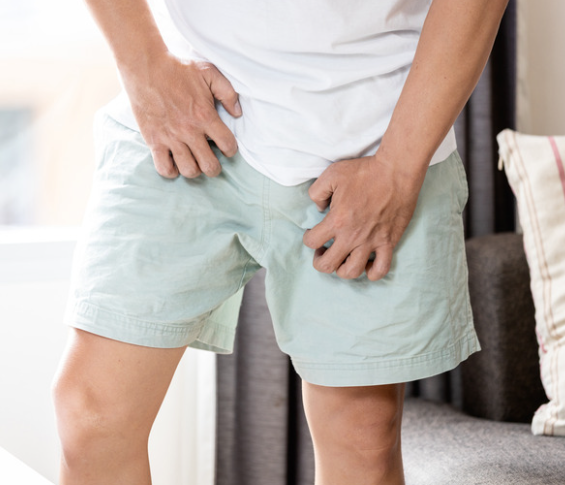
Groin Strain Recovery Time – What’s Normal?
Recovery time depends on the severity of the injury, how early you treat it, and whether you rehab it properly.
Grade 1 Groin Strain
Mild overstretching with small muscle fibre damage. You may feel discomfort but can still walk fairly normally.
Grade 1 Groin Strain Recovery Time 1–3 weeks
Grade 2 Groin Strain
Partial tear, moderate pain, weakness, reduced movement and difficulty walking fast, running or changing direction.
Grade 2 Groin Strain Recovery Time: 3–6 weeks
Grade 3 Groin Strain
Significant or complete muscle tear. Severe pain, major swelling/bruising and difficulty weight bearing.
Grade 3 Groin Strain Recovery Time: 8–12+ weeks (sometimes requires specialist input)
These are general timelines — but physiotherapy can significantly speed up recovery, reduce pain faster and make sure the groin heals strong, not weak.
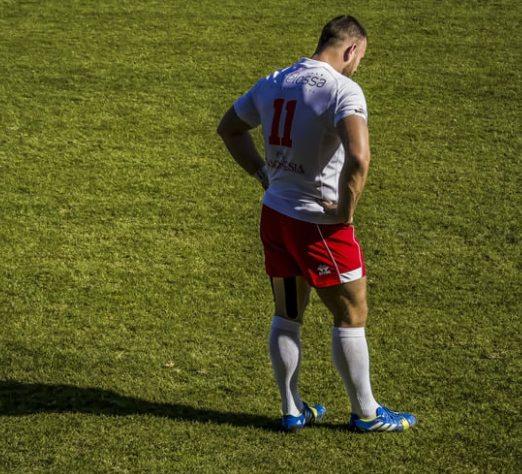
Why Do Some Groin Strain Recovery Times blow out?
Many Groin Strain Recovery Time’s drag on longer than they should for a few key reasons:
- People rest too long — and lose strength
- They return to sport too early
- They don’t rebuild muscle control properly
- Scar tissue forms without proper movement
- They never address weakness or flexibility issues
So instead of healing strong, the groin stays vulnerable — leading to repeated strains.
This is exactly where physiotherapy makes a massive difference.
How Physiotherapy Speeds Up Groin Strain Recovery Time
At X-Physio, we don’t just “treat the pain”. We identify why the injury happened, help it heal properly and make you stronger than before.
When you come in, we assess:
- Which muscles are injured
- Whether it’s a strain or something else (hernia, hip pathology, nerve pain or tendon issues can mimic groin pain)
- Your strength and movement
- Walking and running mechanics
- Sport or activity demands
Then we tailor treatment to your exact situation.
Phase 1 – Settling Pain and Protecting the Injury
Early management is all about calming things down without completely resting the muscle.
Treatment may include:
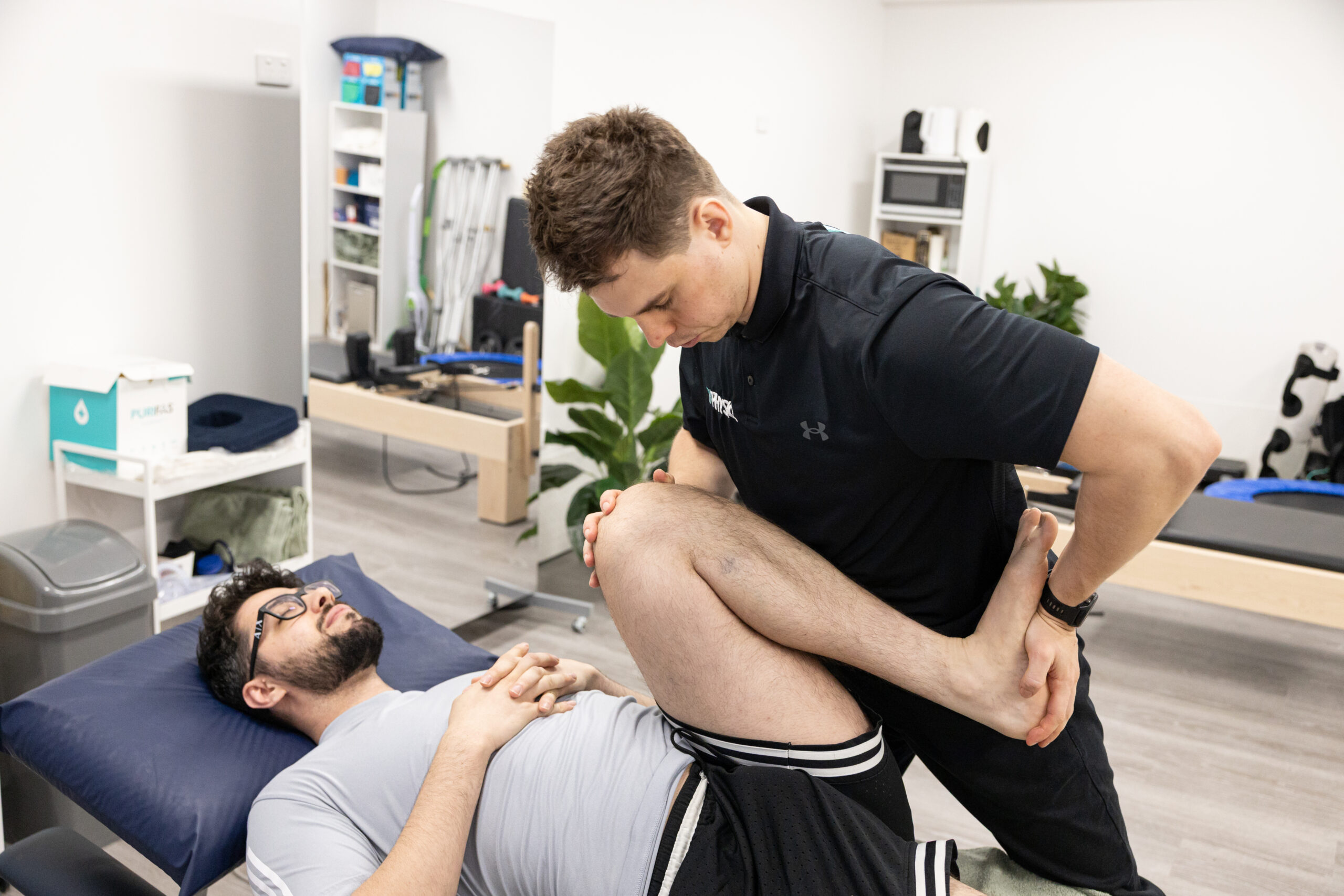
- Gentle hands-on therapy
- Soft tissue release
- Swelling management
- Education on what to avoid
- Light guided movement
- Safe pain-free walking drills
We also make sure you understand what NOT to do early on — like stretching aggressively or pushing through pain — both of which can delay recovery.
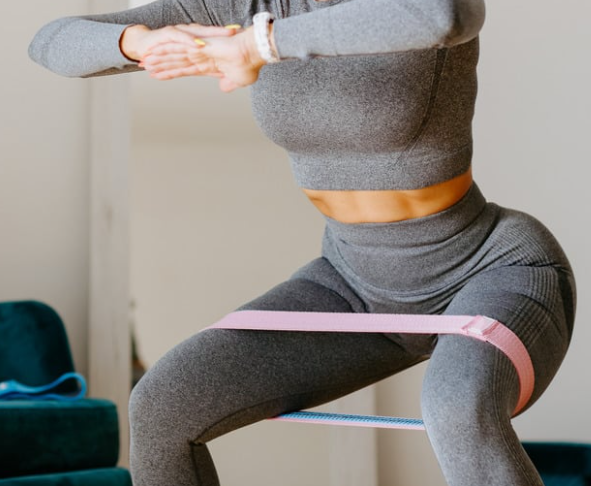
Phase 2 – Restoring Strength and Flexibility
Once pain settles, we start rebuilding strength safely.
Physiotherapy focuses on:
- Adductor muscle strengthening
- Hip and core stability
- Gradual mobility work
- Load progression
- Balance and control
This is the stage most people skip — and it’s exactly why many groin strains return.
Phase 3 – Building Power, Speed and Confidence
If you play sport, run or train at the gym, your groin needs to handle more than just day-to-day activity.
So we progress to:
- Running mechanics
- Change of direction training
- Sport-specific drills
- Power and agility
- Plyometric training when appropriate
This ensures you don’t just recover — you return stronger and more resilient than before.
Real Patient Success Story – From a Surrounding Suburb Near Frenchs Forest NSW
Recently we saw a patient who came to our Frenchs Forest NSW clinic from a nearby surrounding suburb after pulling their groin playing weekend football. They tried resting for two weeks, but every time they returned to running, the pain came back.
During assessment, we found:
- A Grade 2 groin strain
- Weak hip stabilisers
- Tightness through the adductors
- Poor control during quick direction changes
We started with hands-on treatment and guided early exercises. Within two weeks, their pain had significantly reduced. By week four they were running comfortably, and by week eight they were back playing full matches — stronger, confident and pain-free.
Now they’re back enjoying the game without constantly worrying their groin will go again.
How Long Should You Rest a Groin Strain?
Complete rest is rarely the answer.
Too much rest leads to:
- Weakness
- Tightness
- Delayed healing
- Higher risk of re-injury
A better approach is relative rest + guided rehab.
Your physio will help you stay active safely, while still allowing the injury to heal properly.
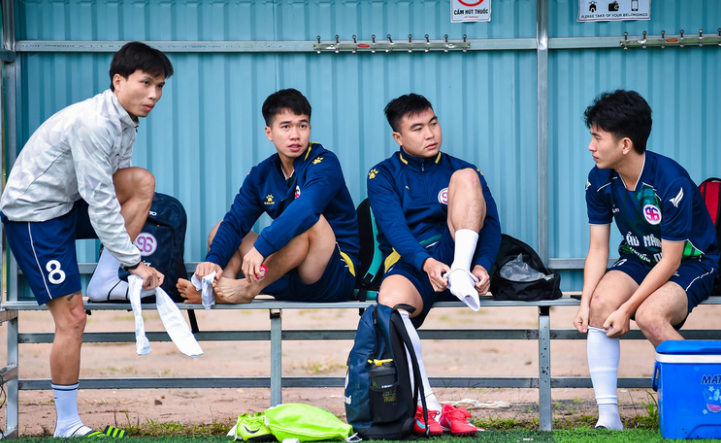
When Should You See a Physio?
Book an appointment if:
- Groin pain doesn’t improve after a few days
- Walking hurts
- Running or sport is painful
- You keep re-injuring it
- There is bruising, swelling or sharp pain
- Pain lingers beyond 2–3 weeks
- You’re unsure what you’ve actually injured
Early physio = faster recovery and less chance of re-injury.
Can I Speed Up Groin Strain Recovery Time at Home?
Yes — but it needs to be done correctly.
Helpful tips include:
- Avoid pushing through pain
- Don’t stretch aggressively early on
- Keep moving gently
- Strengthen progressively
- Follow guided rehab rather than guessing
And if you’re unsure, get it checked. A proper diagnosis saves time, frustration and ongoing pain.
Can Groin Strains Become Chronic?
Unfortunately, yes — especially if ignored or poorly managed.
Chronic Groin Strain Recovery Time issues can lead to:
- Ongoing pain
- Weakness
- Loss of speed and power
- Reduced performance
- Long-term tendon changes
Many athletes and active adults struggle for months simply because they never rehabilitated the injury properly.
The earlier you treat a groin strain, the faster the Groin Strain Recovery Time.
Frequently Asked Questions (FAQs)
How long does it take for a groin strain to heal?
Anywhere from 1–12+ weeks depending on severity. Physiotherapy helps speed recovery and ensures it heals strong.
Do I need a scan for a groin strain?
Most groin strains can be diagnosed clinically. Scans are only needed in severe or unclear cases.
Can I exercise with a groin strain?
Yes — but activity should be modified. Guided strengthening helps recovery without aggravating the injury.
Why does my groin strain keep coming back?
Usually because it never fully healed, strength wasn’t restored properly, or biomechanics weren’t addressed.
Can physiotherapy help groin strains heal faster?
Absolutely. Physio reduces pain, restores movement, rebuilds strength and prevents re-injury.
References & Further Reading
https://xphysio.com.au/blog
https://www.physio-pedia.com/Groin_Strain
https://orthoinfo.aaos.org/en/diseases–conditions/muscle-strain
https://www.sportsmedtoday.com/groin-strain-va-81.htm
Ready to Recover Faster?
If you’re dealing with groin pain, don’t just wait and hope it gets better. The right physiotherapy can help you heal faster, move confidently and get back to doing what you love.
Give us a call today on 9806 3077, or book online, just CLICK HERE.