

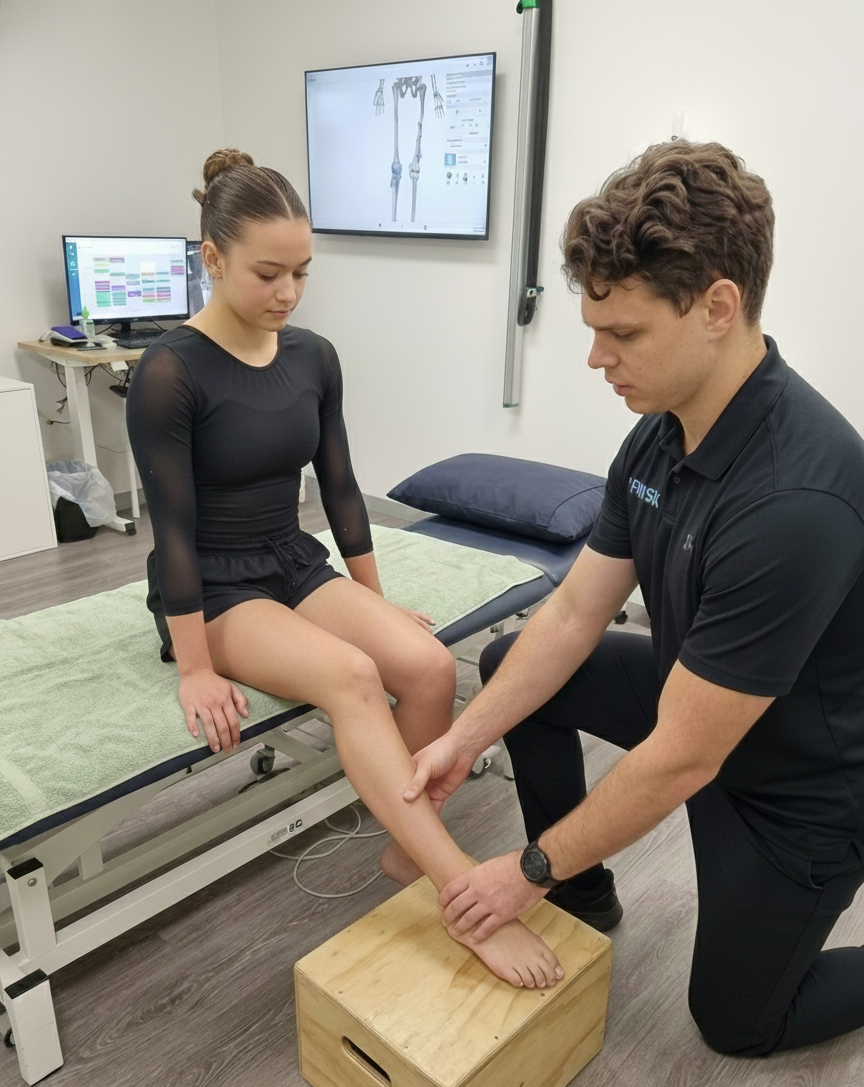
93) Ankle Instability: Why Your Ankle Keeps Rolling and How Physio Fixes It
If your ankle keeps rolling, gives way without warning, or still feels weak long after a sprain, you’re probably dealing with ankle instability. It’s incredibly common in walkers, runners and athletes — but the good news is, physiotherapy can fix it properly. In this blog, we’ll explain why it happens, what helps, and how to strengthen it for good.
What Is Ankle Instability?
Ankle instability is when your ankle feels loose, wobbly, weak or unreliable — especially when walking on uneven ground, changing direction quickly or playing sport. Many people describe it as feeling like the ankle might “roll again at any moment”.
This usually develops after one or more ankle sprains that never fully healed. Instead of regaining strength, mobility and stability, the ankle remains vulnerable, and each roll weakens it further.
Ankle instability can be:
- Mechanical instability – where the ankle ligaments are stretched or torn
- Functional instability – where balance, control and muscle reaction time are impaired
Most people actually have a combination of both.

Why Does the Ankle Keep Rolling?
The most common cause is a previous ankle sprain that didn’t rehab properly. After a sprain, the supportive ligaments are stretched, and the important stabilising muscles switch off. Without retraining these muscles and restoring control, the ankle stays weak.
But there are other contributors too:
✔ Weak Ankle and Foot Muscles
Muscles around the ankle (especially peroneals) are responsible for reacting quickly to sudden changes in position. If they’re weak or slow, the ankle gives way.
✔ Poor Balance and Proprioception
After injury, your body loses its awareness of ankle position. Without specific rehab, your reaction time slows — and you roll again.
✔ Ligament Laxity
Repeated sprains stretch the ligaments so much that they lose their ability to support the joint.
✔ Reduced Mobility
Ironically, some people also develop stiffness in other ankle structures, which forces movement through the unstable area.
✔ Poor Footwear or Surface Demands
Unsupportive shoes, uneven surfaces, trails, sand running or court sports all increase risk.
Common Symptoms of Ankle Instability
You may be dealing with ankle instability if you have:
- Repeated ankle sprains
- A “giving way” feeling
- Ongoing weakness
- Swelling after simple activities
- Pain on the outside of the ankle
- Trouble on uneven ground
- Poor confidence in the ankle
- Hesitation when sprinting, jumping or changing direction
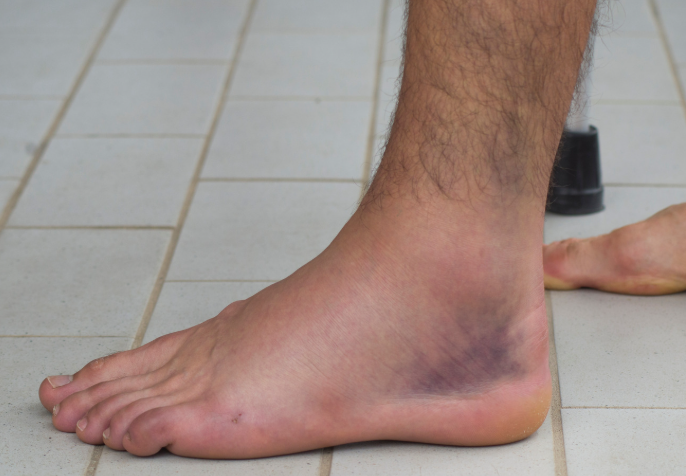
Left untreated, ankle instability can lead to more serious issues like chronic pain, tendon strain, cartilage damage and early joint arthritis.
Why Rest Isn’t Enough
Most people sprain an ankle, limp for a few days, throw on an ankle brace, then go straight back to normal activity.
Unfortunately, that’s the perfect recipe for chronic ankle instability.
Rest may reduce pain, but it doesn’t:
- Strengthen weak muscles
- Restore ligament support
- Improve balance
- Retrain reflexes
- Build ankle confidence
Without proper rehabilitation, every sprain increases the chance of another — resulting in a cycle of repeated injury.
This is exactly where physiotherapy makes the biggest difference.
How Physiotherapy Fixes Ankle Instability
Physiotherapy doesn’t just treat the pain — it restores stability, mobility, strength and confidence so you can get back to walking, sport and daily life safely.
At X-Physio, treatment starts with a thorough assessment to understand:
- Which ligaments are affected
- How unstable the ankle actually is
- Strength deficits
- Balance and control
- Mobility restrictions
- Sport or activity demands
Then we design a treatment plan tailored specifically to you.
Hands-On Treatment — Reducing Pain and Improving Movement
Early on, the goal is to settle discomfort and restore normal movement. Treatment may include:
- Soft tissue release
- Joint mobilisation to improve ankle mechanics
- Swelling management
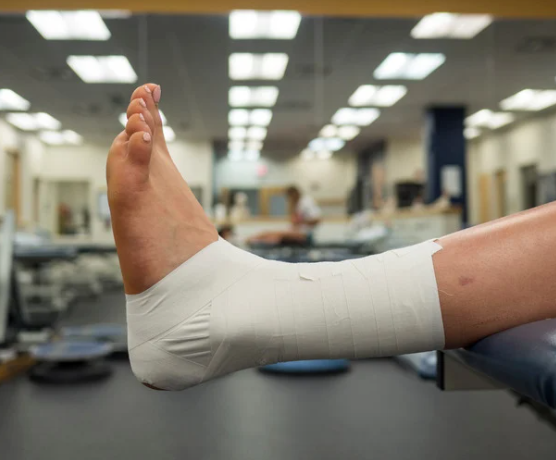
- Strapping or bracing short-term if required
- Gentle guided exercises
This phase also helps you start walking more confidently again.
Strengthening — The Real Fix
Long-term results come from strength and control. That’s where physio really shines.
We target:
🔹 Peroneal and Lower Leg Strength
These muscles prevent rolling by stabilising the ankle.
🔹 Foot Intrinsic Strength
Small stabilising muscles in the foot are crucial for control.
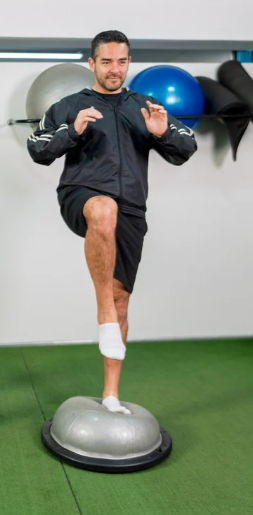
🔹 Balance and Proprioception Training
Exercises retrain the ankle to react quickly again.
🔹 Functional Strength
We progress you from basic exercise to walking, stairs, running, hopping and sport-specific drills.
This builds real stability so your ankle stops rolling — not just temporarily feeling better.
Real Patient Example – From a Surrounding Suburb near Frenchs Forest NSW
Recently, we saw a patient who came to our Frenchs Forest NSW clinic from a nearby surrounding suburb after rolling their ankle multiple times over the past year. They loved bushwalking and weekend running but had lost confidence because the ankle kept giving way — sometimes even on flat ground.
They had previously tried rest, ice and ankle braces, but symptoms always returned.
During assessment, we identified:
- Significant ankle instability
- Weak peroneal muscles
- Poor single-leg balance
- Limited ankle mobility
- Hesitation and fear of movement
We started with mobility work and gentle strengthening, then progressed into structured stability exercises, balance retraining and graded return to running drills.
Within four weeks, they were walking confidently without the feeling of giving way. By eight weeks, they returned to trail running with strong ankle stability, better balance and far more confidence than before.
This story is extremely common — and physiotherapy makes an enormous difference.
How Long Does It Take to Fix Ankle Instability?
Recovery time depends on:
- Severity of ligament damage
- Number of previous sprains
- Activity level
- Consistency with rehab
Most people feel steadier within 2–4 weeks, with strong long-term stability often achieved within 8–12 weeks of structured physiotherapy.
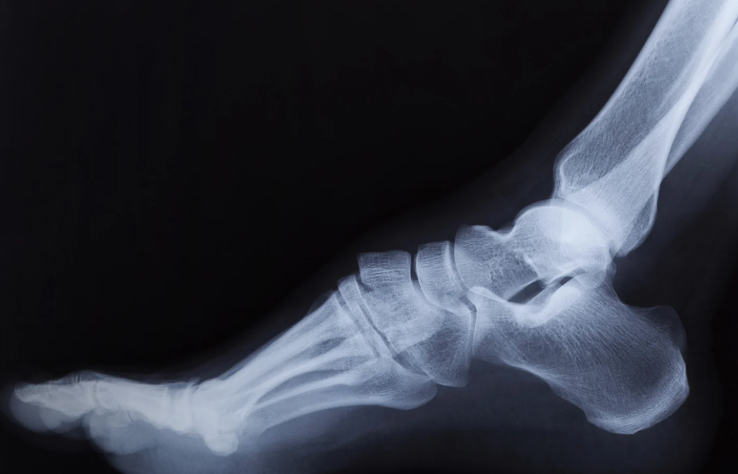
Do I Need an MRI or X-Ray?
Not always. Most ankle instability can be diagnosed clinically during physiotherapy assessment. Imaging is only recommended if:
- There is severe swelling or bruising
- Pain persists longer than expected
- There is suspicion of fracture or significant tearing
- You’re not responding to treatment
Your physio will guide you if imaging is necessary.
Can Braces or Tape Help?
Yes — temporarily.
Bracing or taping can:
- Support the ankle
- Reduce rolling risk
- Build confidence early on
But they should never replace strengthening. The goal is to restore natural ankle stability so you don’t rely on external support long-term.
When Should You See a Physio?
Book an appointment if:
- Your ankle keeps rolling
- You’ve sprained your ankle more than once
- You lack confidence on uneven ground
- You’re avoiding activity because of your ankle
- You experience swelling or pain regularly
- You want to return to sport safely
The earlier you address ankle instability, the easier it is to fix — and the less damage occurs long-term.
Frequently Asked Questions (FAQs)
Why does my ankle keep rolling?
Usually because previous sprains never fully rehabilitated, leaving the ankle weak and unstable.
Can ankle instability heal on its own?
Rarely. Without strengthening, balance training and stability work, most unstable ankles continue to give way.
Is ankle instability serious?
It can become serious if ignored, leading to repeated sprains, chronic pain, tendon damage and early arthritis.
Can physiotherapy fix ankle instability?
Yes — with mobility work, strengthening, balance retraining and graded return to activity, physiotherapy is highly effective.
Do I need surgery?
Very few people need surgery. Most ankle instability improves significantly with structured physiotherapy.
References & Further Reading
https://xphysio.com.au/blog
https://www.physio-pedia.com/Chronic_Ankle_Instability
https://orthoinfo.aaos.org/en/diseases–conditions/chronic-lateral-ankle-instability
https://www.sportsmedtoday.com/ankle-sprain-va-22.htm
Ready to Stop Your Ankle Rolling?
If you’re tired of weak, wobbly ankles stopping you from walking, running or enjoying sport, physiotherapy can get you back feeling strong, confident and stable again.
Give us a call today on 9806 3077, or book online, just CLICK HERE.