
87) Lower Back Arthritis Relief: How Physiotherapy Helps Stiffness and Morning Pain
Lower back arthritis can make mornings feel like a battle before the day even begins. The good news? Physiotherapy offers targeted relief that actually improves stiffness, eases pain, and helps you move more freely. In this blog, we’ll break down what works, why it works, and how to start feeling better — starting today.

Lower Back Arthritis: Why It Happens and Why It Hurts More in the Morning
Lower back arthritis — often called lumbar osteoarthritis or facet joint arthritis — is incredibly common, especially once you hit your 40s and beyond. It happens when the joints in your lower spine become irritated or worn over time. While this sounds worrying, it’s actually very manageable when treated well.
Morning pain is one of the biggest complaints. Why? Because overnight, the joints stiffen, the muscles tighten, and inflammation settles in. So when you get out of bed, it feels like your back is stuck in “first gear” until things warm up.
If this sounds like you, you’re absolutely not alone. The key is understanding that pain doesn’t mean your back is “crumbling” — it’s simply a sign that the joints, muscles, and supporting tissues need better movement, strength, and circulation. That’s exactly where physiotherapy comes in.
How Physiotherapy Helps Lower Back Arthritis
Physiotherapy is one of the most effective, evidence-based treatments for lower back arthritis. It works by targeting the actual drivers of stiffness and pain — joint mobility, muscle tightness, inflammation, strength deficits, and movement habits.
Here’s how physio helps restore comfort and confidence in your back.

1. Improving Joint Mobility (So You Feel Less Stiff)
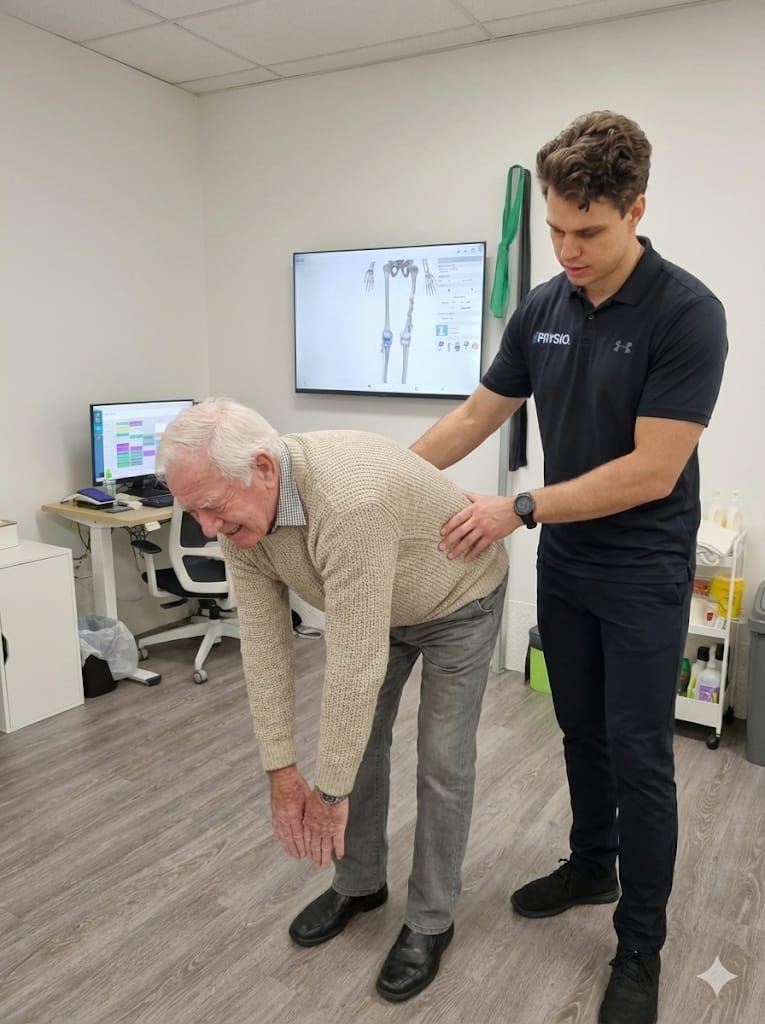
Facet joints — the small joints on each side of the spine — become stiff when arthritis is present. Manual therapy techniques such as joint mobilisation can gently restore movement to these joints, helping them glide more effectively.
Better joint movement = less morning stiffness, less catching, and smoother bending or twisting.
2. Reducing Muscle Tension and Spasm
When joints become irritated, the surrounding muscles jump in to “guard” the area. This is why you may feel:
- tightness around the lower spine
- aching in the buttocks
- spasms after standing for a while
- difficulty straightening up
Physiotherapy techniques such as soft-tissue release, dry needling, and stretching help switch these muscles off, reducing pressure on irritated joints.
3. Building Strength in the Right Areas
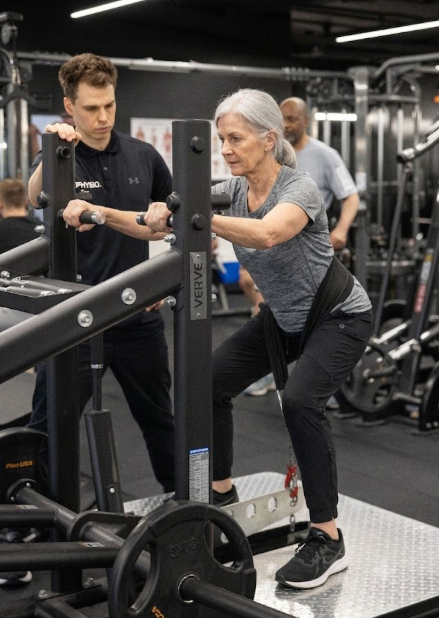
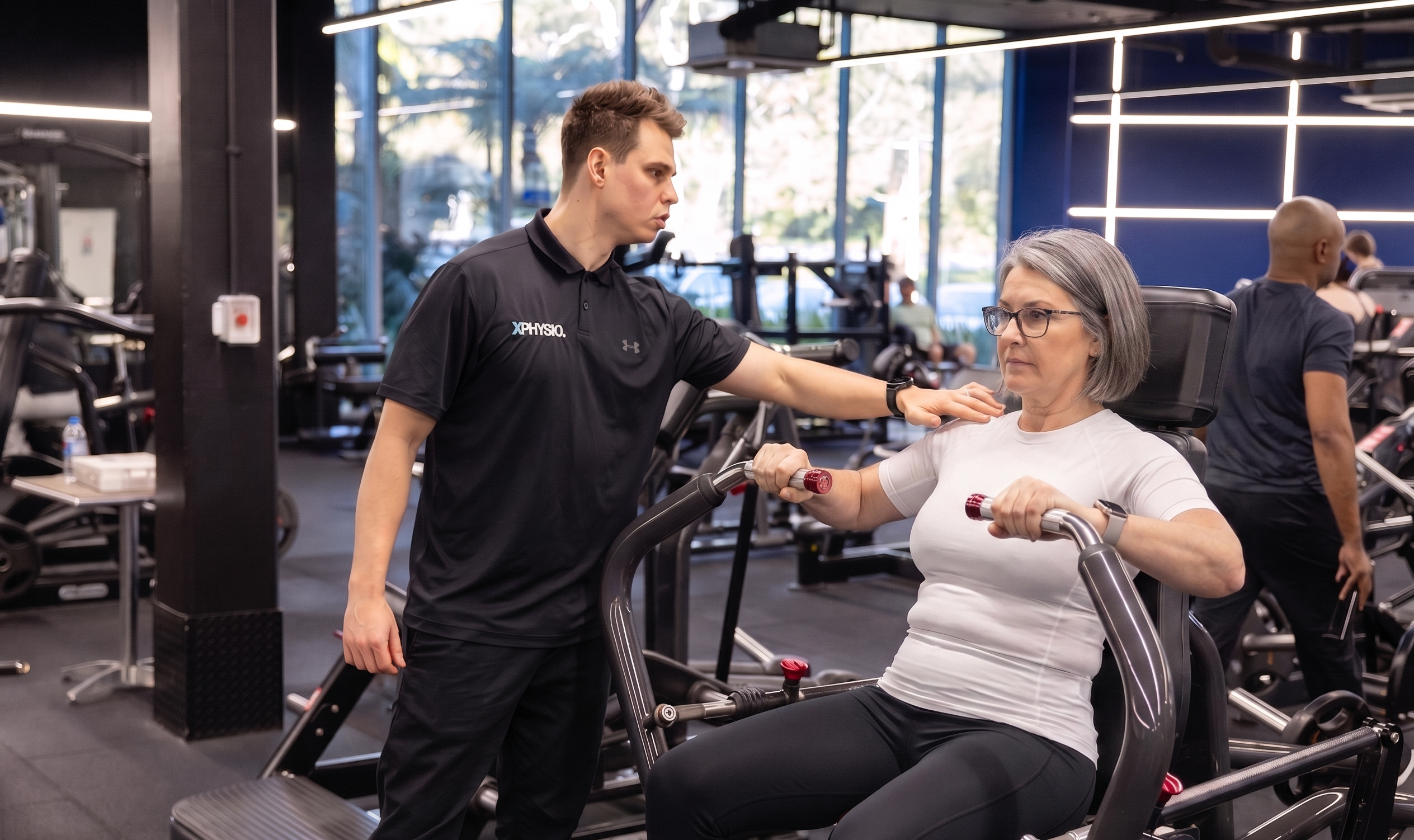
Contrary to popular belief, arthritis does not mean you should stop moving. In fact, targeted strengthening creates more support around the lower back, reducing load on the arthritic joints.
Physios focus on strengthening:
- deep core muscles
- glutes
- hip stabilisers
- lumbar extensor muscles
When these muscles work properly, the spine becomes more stable and moves with far less irritation.

4. Improving Flexibility in the Hips and Pelvis
If your hips are stiff, your lower back ends up doing extra work — and arthritic joints don’t like that.
Your physio will help restore movement in the:
- hip flexors
- hamstrings
- glute muscles
- hip capsule
Better hip mobility = less strain on the back = fewer flare-ups.
5. Correcting Posture and Movement Habits
Lower back arthritis doesn’t only flare up from “big” movements. Often, it’s the little things done poorly over and over — sitting posture, lifting technique, standing habits, or bending patterns.
A physio can analyse how you move and help correct small issues that make a huge difference long term.
6. Reducing Inflammation and Improving Circulation
Modalities such as gentle heat therapy, shockwave (in suitable cases), and exercise-based rehabilitation help improve blood flow and settle inflammation. This is particularly helpful during morning stiffness or after long days on your feet.
7. Building a Long-Term Management Plan
Perhaps the most important part of physio for lower back arthritis is education and planning.
Understanding:
- what aggravates arthritis
- what calms it
- which movements are safe
- how to maintain mobility long term
…makes all the difference in staying pain-free and active.
Common Symptoms We See in the Clinic
People with lower back arthritis often experience:
- morning stiffness lasting 30–60 minutes
- pain when standing up after sitting
- soreness with prolonged standing or walking
- aching across the lower back
- tightness in the buttocks
- difficulty bending or twisting
- “grinding” sensations or stiffness during movement
- pain relief after warming up or stretching
If this describes your daily routine, there’s a very good chance physio will help.
A Recent Patient Example (From a Surrounding Suburb)
We recently saw Sarah, a 57-year-old patient from Davidson, who came in with long-standing lower back arthritis. She was waking every morning with severe stiffness and found it hard to straighten up when getting out of the car.
At her first appointment, her lower back mobility was limited and her hip strength was low, which meant her spine was carrying more load than it should.
Over six weeks, we used:
- gentle spinal mobilisation
- hip and glute strengthening
- daily mobility drills
- a personalised morning routine to reduce stiffness
- ergonomic recommendations for working from home
By week four, she reported her morning stiffness had halved. By week six, she was walking daily without pain and didn’t feel “locked up” in the mornings anymore. She’s now maintaining progress with a simple home program.
Stories like this are incredibly common — the right treatment makes a huge difference.
What a Physiotherapy Treatment Plan Looks Like
Your plan will always be personalised, but typically includes:
Week 1–2
- Reduce muscle tension
- Improve mobility
- Calm inflammation
- Light activation exercises
- Build confidence with movement
Week 3–6
- Deeper strengthening
- Hip and glute loading
- Posture + movement retraining
- Progression of mobility techniques
Week 6+
- Long-term strength plan
- Return to walking, gym, sport, gardening
- Flare-up prevention strategies
Most people start feeling noticeably better within 2–4 weeks.
Is Lower Back Arthritis Permanent?
Arthritis itself doesn’t reverse, but your symptoms absolutely can. Pain, stiffness, and movement limitations often improve dramatically with the right approach.
Physiotherapy helps you build a body that supports your spine rather than aggravating it — that’s why so many people feel better long term.
Top Exercises for Lower Back Arthritis (Safe + Effective)
(Note: These should always be prescribed by a physio for best results.)
1. Cat–Camel Mobilisation
Gently warms up the spine and reduces morning stiffness.
2. Hip Flexor Stretch
Takes pressure off the lower back during standing and walking.
3. Glute Bridge
Strengthens the glutes and supports the lumbar spine.
4. Child’s Pose With Side Reach
Releases tightness around the lower back and sides.
5. Seated Lumbar Rotation
Improves facet joint mobility.
These exercises are incredibly effective when combined with hands-on treatment.

When to Seek Physiotherapy for Lower Back Arthritis
You should book in if you:
- feel stiff every morning
- get pain when standing after sitting
- have ongoing back pain for more than 2–3 weeks
- find movement becoming more restricted
- notice flare-ups more frequently
- feel nervous or unsure about what movements are safe
Getting on top of symptoms early prevents flare-ups and supports long-term spinal health.
FAQs
1. Can physiotherapy actually help lower back arthritis?
Yes. Physiotherapy is one of the most effective treatments for lower back arthritis. It reduces stiffness, improves mobility, strengthens the supporting muscles, and helps you manage symptoms long term.
2. Will arthritis in my lower back keep getting worse?
Arthritis naturally progresses very slowly, but symptoms do not have to get worse. With proper treatment and strengthening, most people maintain or improve comfort over time.
3. Is exercise safe if I have lower back arthritis?
Absolutely — exercise is essential. The key is choosing the right exercises that strengthen without irritating the joints. A physio can guide you through this safely.
4. Why is my lower back more painful in the morning?
When you sleep, joints stiffen and inflammation settles. This makes movement uncomfortable at first, but physiotherapy helps reduce this morning stiffness significantly.
5. How long until I notice improvements?
Most people start feeling better within 2–4 weeks, with the biggest changes seen over 6–8 weeks of consistent treatment.
References
- https://www.arthritis.org/diseases/back-pain
- https://www.healthdirect.gov.au/arthritis
- https://xphysio.com.au/blog
{
“@context”: “https://schema.org”,
“@type”: “FAQPage”,
“mainEntity”: [
{
“@type”: “Question”,
“name”: “Can physiotherapy actually help lower back arthritis?”,
“acceptedAnswer”: {
“@type”: “Answer”,
“text”: “Yes. Physiotherapy is one of the most effective treatments for lower back arthritis. It reduces stiffness, improves mobility, strengthens the supporting muscles, and helps you manage symptoms long term.”
}
},
{
“@type”: “Question”,
“name”: “Will arthritis in my lower back keep getting worse?”,
“acceptedAnswer”: {
“@type”: “Answer”,
“text”: “Arthritis naturally progresses very slowly, but symptoms do not have to get worse. With proper treatment and strengthening, most people maintain or improve comfort over time.”
}
},
{
“@type”: “Question”,
“name”: “Is exercise safe if I have lower back arthritis?”,
“acceptedAnswer”: {
“@type”: “Answer”,
“text”: “Absolutely — exercise is essential. The key is choosing the right exercises that strengthen without irritating the joints. A physiotherapist can guide you safely.”
}
},
{
“@type”: “Question”,
“name”: “Why is my lower back more painful in the morning?”,
“acceptedAnswer”: {
“@type”: “Answer”,
“text”: “When you sleep, joints stiffen and inflammation settles. This makes movement uncomfortable at first, but physiotherapy helps reduce morning stiffness significantly.”
}
},
{
“@type”: “Question”,
“name”: “How long until I notice improvements?”,
“acceptedAnswer”: {
“@type”: “Answer”,
“text”: “Most people start feeling better within 2–4 weeks, with the biggest improvements seen over 6–8 weeks of consistent physiotherapy treatment.”
}
}
]
}