
78) Lower Back Stiffness in the Morning? Physiotherapy Solutions That Actually Work
Waking up with a stiff lower back? You’re not alone. Morning stiffness is one of the most common complaints we see in our clinic — but it’s also one of the most treatable. In this blog, we’ll explore why your back feels tight when you wake up and the physiotherapy solutions that actually work to fix it for good.
Why Does Lower Back Stiffness Happen in the Morning?
Lower back stiffness can creep up slowly, especially after long periods of inactivity — like sleeping. Overnight, the joints and muscles around your spine can stiffen due to reduced movement and blood flow. When you finally get up, your body takes a few minutes to “wake up” too.
Some common causes include:
- Poor sleeping posture or unsupportive mattress
- Weak core muscles or lack of spinal stability
- Sedentary lifestyle or long hours sitting at work
- Osteoarthritis or age-related stiffness
- Previous Lower back stiffness related injuries or muscle imbalances
If your stiffness lasts longer than 30 minutes each morning, or you feel restricted bending or twisting, it’s time to get checked by a physiotherapist.

How Physiotherapy Helps Lower Back Stiffness
At X Physio, our lower back stiffness physiotherapy treatment focuses on uncovering the root cause — not just treating the symptoms. Our approach usually involves three key steps:
1. Assessment and Diagnosis
We start with a thorough assessment — analysing your posture, movement patterns, and muscle strength. This helps identify whether your stiffness comes from joint restriction, muscle tightness, or an underlying spinal condition.
2. Hands-On Treatment
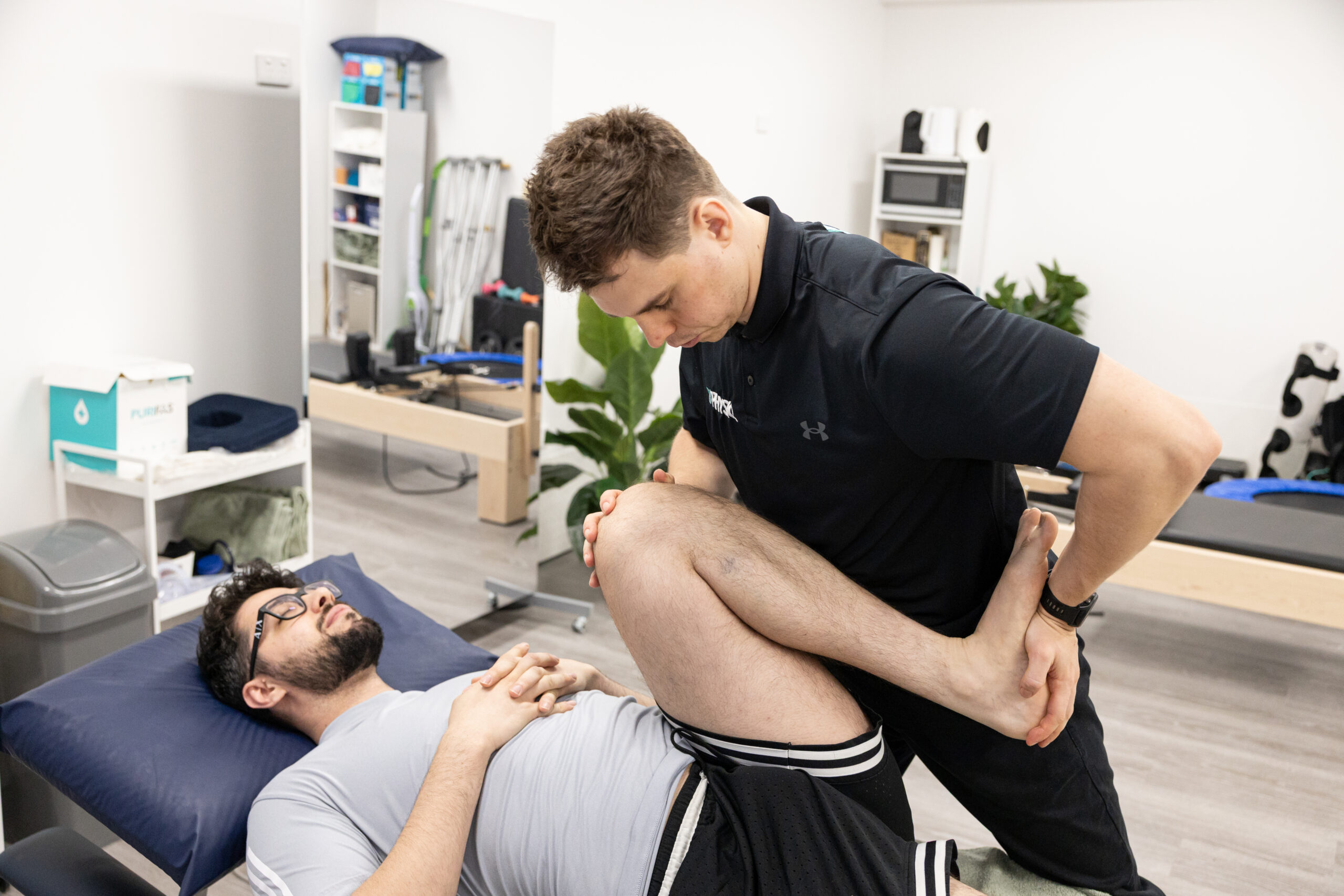
Techniques such as joint mobilisation, soft tissue release, dry needling, and spinal manipulation can help improve flexibility and reduce tension. The goal is to restore normal joint movement and relieve pressure in the lower back.
3. Rehabilitation and Exercise
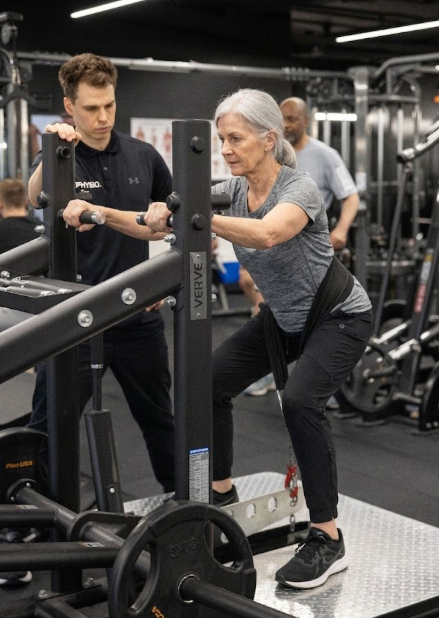
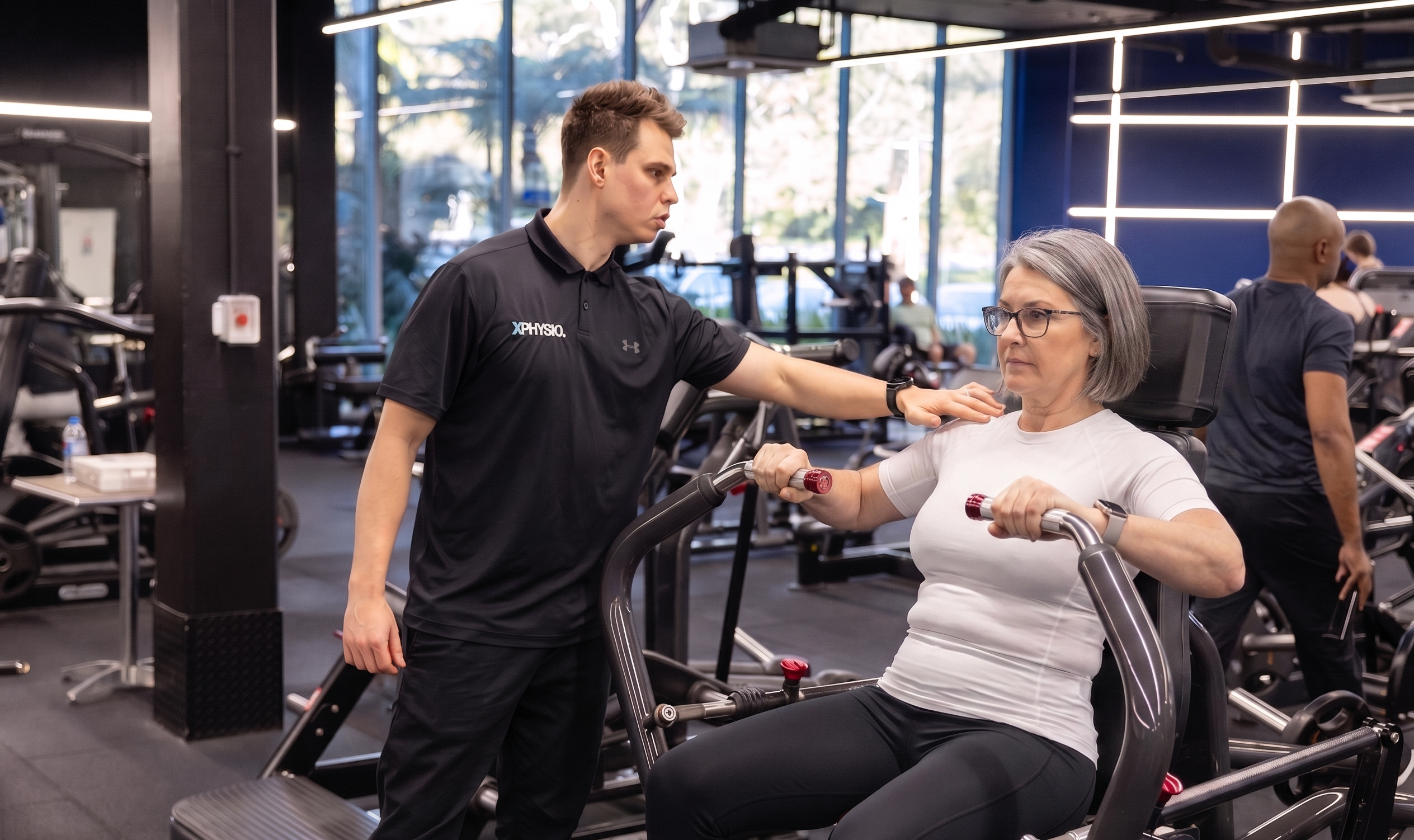
Targeted exercises are the long-term solution. Your physio will prescribe mobility drills, stretching routines, and strengthening exercises designed to stabilise your spine and prevent recurrence.
Read more about how we treat lower back disc injuries: CLICK HERE

Real-Life Example: Sarah’s Story from Forestville
Sarah, a 42-year-old office worker from Forestville NSW, came to X Physio complaining of severe lower back stiffness every morning. She struggled to get out of bed without pain and often had to stretch for 20 minutes before feeling mobile.
After a detailed assessment, we found her stiffness was due to facet joint tightness and weak gluteal muscles from prolonged sitting. Over four physiotherapy sessions, we used manual therapy to loosen the spinal joints and introduced a tailored home exercise plan focusing on glute activation and lumbar mobility.
Within three weeks, Sarah reported waking up without stiffness for the first time in months. She’s now maintaining her results with a short daily mobility routine and continues to check in every few months for progress reviews.
Common Physiotherapy Treatments for Morning Lower Back Stiffness
Here are the most effective physiotherapy treatments for lower back stiffness:
1. Spinal Mobilisation
Gentle, controlled movements that restore normal motion in stiff vertebral joints. Great for easing early morning stiffness and improving flexibility.
2. Soft Tissue Massage
Targets tight muscles, particularly around the lumbar spine, glutes, and hip flexors — improving circulation and reducing muscle tension.
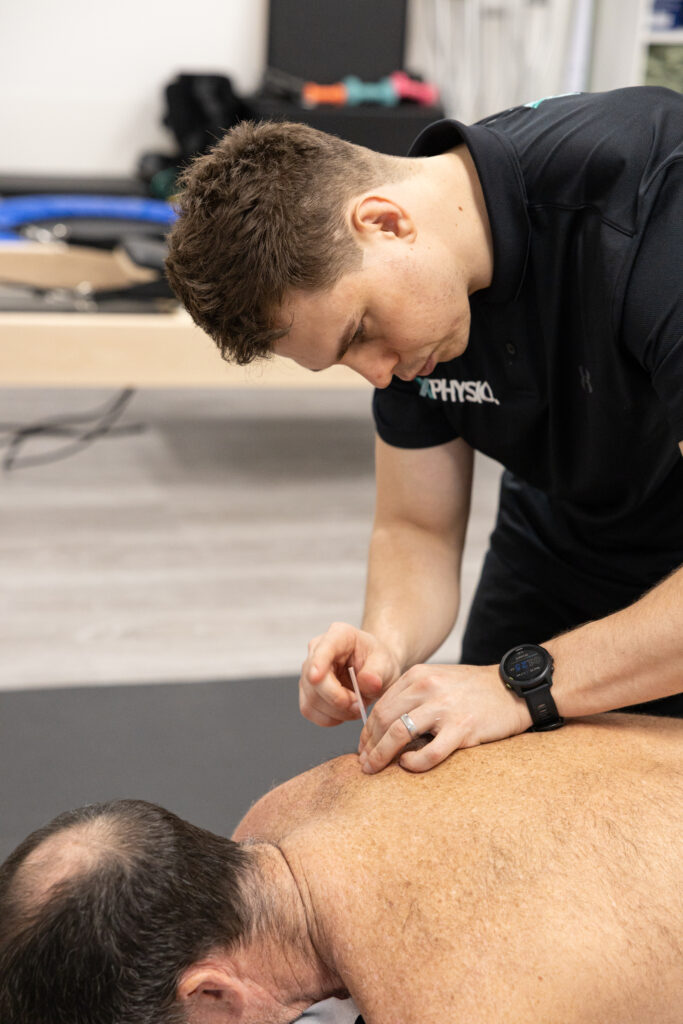
3. Dry Needling
Helps release muscle knots and improve blood flow to restricted areas, speeding up recovery.
4. Stretching and Mobility Drills
Dynamic stretches such as the cat-cow, child’s pose, or knee-to-chest movements can help loosen your spine before you start your day.
5. Core Strengthening Exercises
A strong core stabilises your spine, reducing the strain on your lower back muscles. Your physio may prescribe exercises like dead bugs, bridges, or bird dogs.
6. Posture and Ergonomic Advice
If your job involves long hours of sitting, small changes — like adjusting your chair height or using a lumbar roll — can make a massive difference.
Why It’s Important Not to Ignore Morning Stiffness
Ignoring your symptoms may allow small restrictions to turn into chronic pain. Persistent stiffness can also indicate early signs of arthritis or spinal degeneration.
Early physiotherapy intervention not only reduces discomfort but also prevents long-term complications — keeping you moving freely and confidently.
At-Home Tips to Ease Lower Back Stiffness
Here are a few physiotherapist-approved ways to ease stiffness between sessions:
- Move before you get up: Try gentle knee-to-chest or pelvic tilt movements while lying in bed.
- Warm shower: Heat increases blood flow and relaxes tight muscles.
- Keep active during the day: Sitting for long periods? Set reminders to stand or walk every 30 minutes.
- Stretch before bed: Five minutes of gentle stretching can reduce overnight stiffness.
- Invest in your mattress and pillow: Supportive bedding maintains spinal alignment overnight.

When to See a Physiotherapist
If you experience:
- Persistent stiffness lasting longer than a few weeks
- Numbness, tingling, or weakness in your legs
- Pain that interrupts sleep or limits movement
…then it’s best to book an assessment. Physiotherapists can rule out serious conditions and provide a treatment plan tailored to your needs.
Book Your Appointment
Don’t let morning stiffness slow you down. Physiotherapy can help you move freely again, reduce your pain, and improve your quality of life.
Give us a call today on 9806 3077, or book online, just CLICK HERE
Frequently Asked Questions (FAQs)
1. Why do I feel stiff in my lower back every morning?
Morning stiffness often occurs due to reduced overnight movement, causing your muscles and joints to tighten. Poor posture, lack of exercise, or underlying joint issues can also contribute.
2. Can physiotherapy really help lower back stiffness?
Absolutely. Physiotherapy targets the underlying causes — such as joint restriction, weak muscles, or poor movement control — helping restore flexibility and prevent recurrence.
3. How long does it take to feel better with physiotherapy?
Most people start noticing improvement within two to four sessions, depending on the cause and severity of stiffness. Ongoing exercises help maintain long-term results.
4. What’s the best exercise for morning lower back stiffness?
Gentle mobility exercises like pelvic tilts, bridges, and cat-cow movements are excellent for reducing stiffness and improving flexibility.
5. Should I see a physio or a chiropractor for back stiffness?
Both can help, but physiotherapists take a holistic approach — combining hands-on treatment, exercise therapy, and posture correction to address both pain and prevention.
References
- Better Health Channel – Lower Back Pain
- Physiotherapy Australia – Managing Back Pain
- NHS – Lower Back Pain Overview
{
“@context”: “https://schema.org”,
“@type”: “FAQPage”,
“mainEntity”: [
{
“@type”: “Question”,
“name”: “Why do I feel stiff in my lower back every morning?”,
“acceptedAnswer”: {
“@type”: “Answer”,
“text”: “Morning stiffness often occurs due to reduced overnight movement, causing your muscles and joints to tighten. Poor posture, lack of exercise, or underlying joint issues can also contribute.”
}
},
{
“@type”: “Question”,
“name”: “Can physiotherapy really help lower back stiffness?”,
“acceptedAnswer”: {
“@type”: “Answer”,
“text”: “Absolutely. Physiotherapy targets the underlying causes — such as joint restriction, weak muscles, or poor movement control — helping restore flexibility and prevent recurrence.”
}
},
{
“@type”: “Question”,
“name”: “How long does it take to feel better with physiotherapy?”,
“acceptedAnswer”: {
“@type”: “Answer”,
“text”: “Most people start noticing improvement within two to four sessions, depending on the cause and severity of stiffness. Ongoing exercises help maintain long-term results.”
}
},
{
“@type”: “Question”,
“name”: “What’s the best exercise for morning back stiffness?”,
“acceptedAnswer”: {
“@type”: “Answer”,
“text”: “Gentle mobility exercises like pelvic tilts, bridges, and cat-cow movements are excellent for reducing stiffness and improving flexibility.”
}
},
{
“@type”: “Question”,
“name”: “Should I see a physio or a chiropractor for lower back stiffness?”,
“acceptedAnswer”: {
“@type”: “Answer”,
“text”: “Both can help, but physiotherapists take a holistic approach — combining hands-on treatment, exercise therapy, and posture correction to address both pain and prevention.”
}
}
]
}