

61) Neck Pain and Physiotherapy Solutions: Unlock Relief
Neck pain can stop you in your tracks—making it hard to sleep, work, or even enjoy your day. Whether it’s from posture, stress, or an injury, the good news is physiotherapy can help you move freely again. In this blog, we’ll unpack common causes, “tech neck,” sedentary lifestyles, practical strategies, proven physio treatments, and simple exercises you can start today.
Why Neck Pain Is So Common
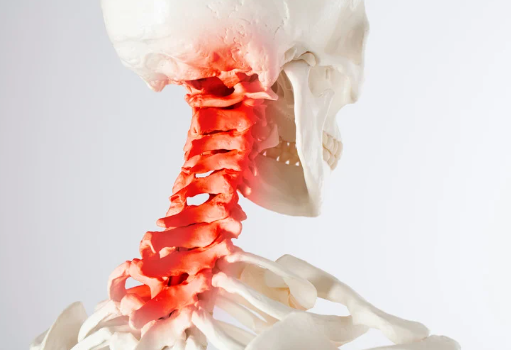
Neck pain is one of the most frequent issues we treat in clinic. Studies suggest that up to 70% of adults experience neck pain at some stage of their lives. The neck is a complex structure—seven vertebrae supported by muscles, ligaments, and discs. It also carries the weight of your head (around 5kg on average!).
Add modern-day stressors like prolonged desk work, smartphones, and poor posture, and it’s no wonder so many Australians deal with stiffness, headaches, and sharp twinges in their neck.
Common Causes of Neck Pain
- Poor Posture
- Hunching at your desk or looking down at your phone (“tech neck”) places extra strain on neck muscles.
- Muscle Strain
- Overuse from repetitive movements or sudden awkward positions.
- Stress and Tension
- Stress often shows up as tight shoulders and neck stiffness.
- Injury
- Whiplash from car accidents or sports injuries.
- Degenerative Conditions
- Osteoarthritis and disc degeneration can cause pain, stiffness, and reduced mobility.
- To find out more about the disc, please read our blog: Intervertebral Disc: how physiotherapy can help

“Tech Neck” – The Modern Epidemic
“Tech neck” refers to the pain and stiffness caused by constantly looking down at devices like phones, tablets, or laptops.
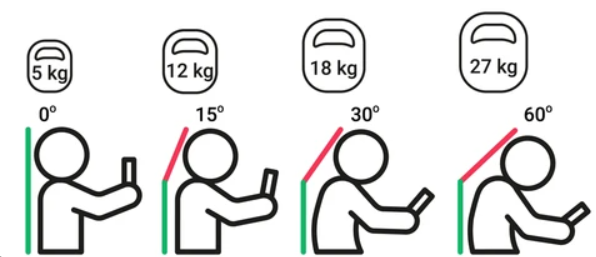
When you tilt your head forward, the pressure on your neck increases dramatically:
- At a neutral angle, your head weighs around 5kg.
- At a 15-degree tilt, it’s closer to 12kg
- At a 30-degree tilt, it’s closer to 18kg.
- At 60 degrees, your neck is carrying the equivalent of 27kg!
Over time, this leads to muscle fatigue, stiffness, headaches, and even long-term postural changes. Physiotherapy can help retrain your posture, relieve tight muscles, and give you strategies to reduce daily strain.
Sedentary Lifestyles and Neck Pain
Many Australians spend more than 8 hours a day sitting—often at a desk or behind a screen. Prolonged sitting leads to:
- Weak postural muscles (especially deep neck stabilisers)
- Tight chest and shoulder muscles
- Reduced blood flow to spinal tissues
This combination creates the “perfect storm” for neck pain. Movement is medicine, and physiotherapy not only treats the pain but also equips you with active strategies to break the sitting cycle.

Symptoms You Might Notice
- Stiffness when turning your head
- Dull ache or sharp pain
- Pain radiating into shoulders or arms
- Headaches (especially tension headaches)
- Tingling or numbness in arms or hands
- Difficulty sleeping due to discomfort
How Physiotherapy Helps Neck Pain
Physiotherapy treatment is not just about easing the pain—it’s about finding the root cause and preventing flare-ups in the future.
1. Hands-On Treatment
- Gentle joint mobilisation to improve movement.
- Soft tissue massage to ease muscle tightness.
2. Targeted Exercise Programs
- Strengthening weak muscles.
- Stretching tight areas.
- Restoring posture and balance.
3. Postural Education
- Guidance on how to set up your workstation.
- Teaching you simple corrections you can do daily.
4. Pain Relief Modalities
- Heat, cold and sometimes dry needling to release tension.
5. Long-Term Management
- Preventing recurrence with a personalised plan.

Patient Story: How “Sarah” Beat Neck Pain
Sarah, a 42-year-old accountant, came into our clinic complaining of constant stiffness in her neck and headaches that worsened by the end of the workday. She described feeling “locked up” and often reached for painkillers just to get through the week.
During her assessment, we discovered:
- Poor desk ergonomics
- Tight upper trapezius muscles
- Weak deep neck flexors
Her treatment plan included:
- Weekly manual therapy to release tight muscles
- Posture correction and ergonomic advice for her workstation
- A simple daily home exercise program focused on strengthening her deep neck stabilisers
After four weeks, Sarah reported less pain, improved mobility, and most importantly—her headaches had eased significantly. By her eighth week of treatment, she was working comfortably without needing medication.
Sarah’s case shows that with the right approach, physiotherapy can make a huge difference in quality of life.
Best Desk Stretches & Mobility Exercises for Neck Pain
Here are five simple exercises you can do at home or at work to relieve tension and prevent “tech neck.”

- Chin Tucks
- Sit upright, gently tuck your chin back as if making a double chin.
- Hold for 5 seconds, repeat 10 times.
- Strengthens deep neck stabilisers.
- Upper Trapezius Stretch
- Sit tall, tilt your ear towards your shoulder.
- Hold for 20–30 seconds, repeat both sides.
- Stretches the muscles at the side of the neck.
- Levator Scapulae Stretch
- Sit upright, turn your head 45 degrees to the right, then look down towards your armpit.
- Hold 20 seconds, repeat on both sides.
- Great for relieving stiffness.
- Shoulder Blade Squeezes
- Sit upright, pull your shoulder blades back and down.
- Hold for 5 seconds, repeat 10 times.
- Improves posture and reduces forward rounding.
- Neck Rotations
- Slowly turn your head left to right.
- Repeat 10 times each side.
- Keeps your neck mobile throughout the day.
💡 Pro tip: Try setting a timer to remind yourself to move every hour—these mini breaks are just as important as the stretches themselves.
When to See a Physiotherapist
While mild stiffness often resolves with self-care, it’s time to book an appointment if you experience:
- Pain that persists beyond a few days
- Recurring headaches linked to neck tension
- Tingling or numbness in your arms
- Severe or sudden pain after an injury
The Benefits of Physiotherapy for Neck Pain
- Drug-Free Pain Relief
- Restored Mobility and Function
- Reduced Headaches
- Better Posture and Body Awareness
- Long-Term Prevention of Recurrence
Final Thoughts
Neck pain is common—but it doesn’t have to control your life. With physiotherapy, you can address the root cause, relieve discomfort, and prevent future flare-ups. If you’ve been struggling with stiffness, headaches, “tech neck,” or the effects of long hours sitting, now’s the time to take action.
👉 Give us a call today on 9806 3077, or book online, just CLICK HERE.