

Wrist tendinitis—it’s one of those pesky injuries that can creep into your life and wreak havoc on your daily routine. Whether you’re an office worker typing away for hours on end, an athlete smashing out reps at the gym, or just someone who’s been doing repetitive tasks a bit too much, wrist tendinitis can strike. But don’t worry, mate—we’ve got you covered. Let’s dive into what wrist tendinitis is, why it happens, and most importantly, how a physio can help you get back on track.
What Is Wrist Tendinitis?
First off, let’s clear up what we’re dealing with. Wrist tendinitis is the inflammation of the tendons in your wrist. Tendons are the thick cords that attach your muscles to your bones, and they’re responsible for helping you move. When these tendons get irritated or inflamed, you’ll feel pain, stiffness, and sometimes swelling around the wrist.
While tendinitis can occur in any tendon, the wrist is particularly vulnerable because it’s involved in so many movements—from gripping and typing to lifting and twisting. The tendons most commonly affected in wrist tendinitis are those that control wrist and finger movement, like the flexor and extensor tendons.
Common Causes of Wrist Tendinitis
Wrist tendinitis often stems from repetitive strain or overuse. Here are some common culprits:
- Repetitive Tasks: Typing, using a mouse, or playing musical instruments for long periods.
- Sports: Activities like tennis, golf, or weightlifting can put stress on the wrist tendons.
- Poor Technique: Using improper form during exercise or while performing tasks can increase strain on the tendons.
- Sudden Increase in Activity: Jumping into a new activity or increasing intensity without proper conditioning.
- Underlying Conditions: Arthritis or diabetes can make you more prone to tendinitis.

Symptoms to Watch For
How do you know if it’s wrist tendinitis? Look out for these tell-tale signs:
- Pain around the wrist, especially during movement.
- Swelling or tenderness.
- Stiffness, making it hard to move your wrist or fingers.
- A “creaking” sensation when moving the wrist.
- Weak grip strength.
If you’re experiencing these symptoms, it’s time to take action.
How Physios Help with Wrist Tendinitis
Here’s the good news: wrist tendinitis is treatable, and physiotherapists are experts at managing it. Let’s go through some of the most common treatments you can expect when you visit a physio.
1. Assessment and Diagnosis
Your physio will start by assessing your wrist to confirm the diagnosis and rule out other conditions like carpal tunnel syndrome, arthritis, a ganglion, tenosynovitis or a cartilage injury. They’ll ask about your daily activities, work habits, and exercise routines to pinpoint the cause of your tendinitis.
2. Rest and Activity Modification
The first step in recovery is often giving your wrist a break. Your physio might recommend modifying your activities to reduce strain on the tendons. For example, you might need to:
- Take frequent breaks from typing or other repetitive tasks.
- Adjust your workstation to ensure good ergonomics.
- Avoid heavy lifting or high-impact sports temporarily.
3. Pain Management
Managing pain is a priority, especially in the early stages of tendinitis. Your physio might use techniques like:
- Ice Therapy: Applying ice packs to reduce inflammation and numb the area.
- Electrotherapy: TENS (transcutaneous electrical nerve stimulation) to ease pain and promote healing.
- Brace: A brace could be used to protect the wrist from further aggravation
4. Stretching and Strengthening Exercises
Once the pain subsides, your physio will guide you through specific exercises to improve flexibility and build strength in your wrist. Some examples include:
- Wrist Flexor Stretch: Extend your arm with your palm facing up and gently pull your fingers back with your other hand.
- Wrist Extensor Stretch: Do the same stretch with your palm facing down.
- Grip Strengthening: Use a stress ball or grip trainer to improve hand strength.
- Eccentric Exercises: These involve controlled lengthening of the tendons, which can help with recovery.
Your physio will tailor these exercises to your condition and gradually increase intensity as your wrist heals.
5. Manual Therapy
Physios often use hands-on techniques to help with wrist tendinitis, such as:
- Soft Tissue Massage: To release tension in the tendons and surrounding muscles.
- Joint Mobilisation: Gentle movements to improve wrist mobility.
- Trigger Point Therapy: Targeting specific areas of tightness to relieve pain.
6. Taping or Bracing
Your physio might recommend taping or using a wrist brace to provide support and limit movements that aggravate your tendons. Taping can also help with proprioception—your body’s sense of joint position—to ensure you’re using your wrist correctly.
7. Shockwave Therapy Shockwave therapy
Shockwave therapy is an effective treatment for wrist tendinitis, particularly for cases that don’t respond to traditional methods. This non-invasive technique uses acoustic waves to stimulate blood flow and promote tissue healing. The increased circulation helps reduce inflammation and break down calcifications in the tendons. Additionally, shockwave therapy can alleviate pain by desensitising nerve endings around the affected area. Most patients report significant improvement after a few sessions, making it a viable option for accelerating recovery. Your physio can discuss whether this treatment is suitable for you.

8. Education and Prevention
One of the most valuable aspects of physio treatment is learning how to prevent wrist tendinitis from recurring. Your physio will teach you:
- Proper posture and ergonomics for work or sports.
- Warm-up and cool-down routines for physical activities.
- Techniques to avoid overloading your wrist.
Home Care Tips
In addition to physio sessions, there are steps you can take at home to support your recovery:
- Rest: Give your wrist time to heal by avoiding aggravating activities.
- Ice Packs: Apply ice for 15-20 minutes every few hours during the initial stages of inflammation.
- Over-the-Counter Pain Relief: Anti-inflammatory medications like ibuprofen can help, but check with your doctor first.
- Stretch Regularly: Incorporate gentle stretches into your daily routine to keep your wrist flexible.
When to Seek Help
If your wrist pain doesn’t improve with rest and home care or if it’s impacting your ability to work or enjoy daily activities, it’s time to see a physio. Delaying treatment can lead to chronic pain or even tendon degeneration (tendinosis), which is much harder to treat.
Wrapping It Up
Wrist tendinitis might be a pain (literally), but with the right approach, you can recover and get back to doing what you love. Physiotherapy offers a comprehensive solution, addressing the root cause of your tendinitis while helping you manage pain and prevent future issues.
Remember, early intervention is key. So, if your wrist is giving you grief, don’t hesitate to book an appointment with your local physio. They’ll have you back to your best in no time. Cheers to healthier, happier wrists!
Sources:
- Better Health Channel – Tendinitis
- Mayo Clinic – Tendinitis
- Harvard Health – Tendinitis Treatment
- Healthdirect Australia – Wrist Pain
Let’s have a chat about carpal tunnel syndrome (CTS), a condition that can cause a fair bit of discomfort in your hand and wrist. Understanding what it is, why it happens, and how we can manage it through physiotherapy can make a world of difference.
What Is Carpal Tunnel Syndrome?
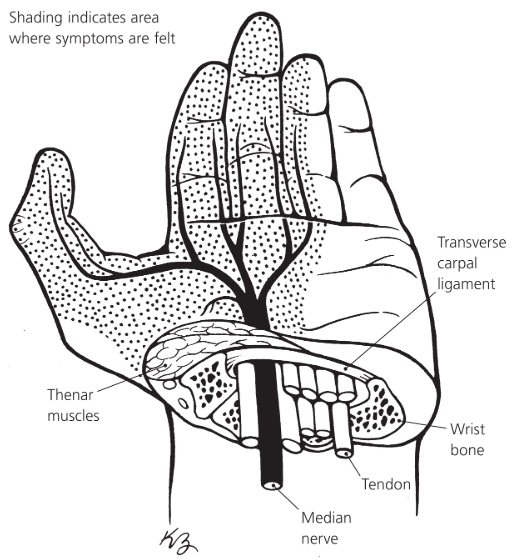
Imagine a narrow passageway on the palm side of your wrist—about the size of a twenty-cent coin. This is the carpal tunnel, and it houses the median nerve along with tendons that help bend your fingers. When this tunnel becomes cramped or the contents swell, it puts pressure on the median nerve, leading to symptoms like pain, numbness, and weakness in your hand.
Why Does It Happen?
Several factors can contribute to CTS:
- Repetitive Movements: Activities that involve repetitive wrist movements, such as typing or machine work, can increase the risk.
- Wrist Positioning: Keeping your wrist in a bent position for extended periods, like when writing or using a computer mouse, may contribute.
- Health Conditions: Conditions like diabetes, thyroid issues, or arthritis can play a role.
- Pregnancy: Hormonal changes and fluid retention during pregnancy can lead to swelling in the carpal tunnel.
- Anatomy: Some folks naturally have a smaller carpal tunnel, making them more susceptible.
What Are the Symptoms?
CTS often starts with a gradual onset of symptoms, including:
- Numbness or Tingling: Especially in the thumb, index, middle, and ring fingers.
- Pain: In the wrist, palm, or forearm.
- Weakness: You might find yourself dropping objects or having trouble with tasks that require fine motor skills.
- Night-Time Discomfort: Symptoms can be worse at night, sometimes waking you from sleep.
How Can Physiotherapy Help?
Physiotherapy offers a range of treatments to alleviate the symptoms of CTS and improve hand function:
- Education: Understanding the condition and how to manage it is crucial. Your physio can provide guidance on modifying activities to reduce strain on your wrist.
- Splinting: Wearing a wrist splint, especially at night, can keep your wrist in a neutral position, reducing pressure on the median nerve.
- Exercises: Specific exercises can help improve flexibility and strength in the wrist and hand. Here are some exercises that might be beneficial:
Median Nerve Gliding Exercises
These exercises help the median nerve move more freely through the carpal tunnel, reducing pressure and improving symptoms.
Wrist Flexor Stretch
This stretch targets the muscles on the underside of your forearm, helping to relieve tension that may contribute to CTS symptoms.

Wrist Extensor Stretch
Stretching the muscles on the top side of your forearm can also be beneficial in managing CTS discomfort.

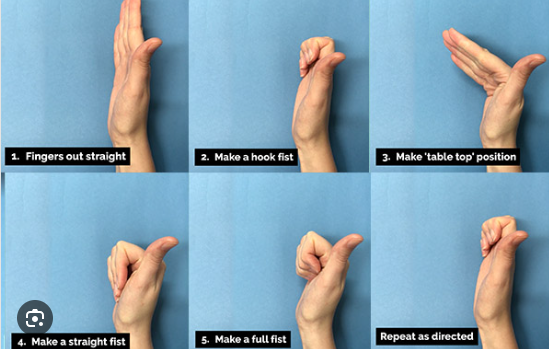
Tendon Gliding Exercises
These exercises promote the smooth movement of tendons through the carpal tunnel, reducing stiffness and improving function.
Grip Strengthening Exercises
Strengthening the muscles of the hand can improve overall function and help alleviate symptoms of CTS.

- Manual Therapy: Techniques like gentle mobilization of the wrist joints and soft tissue massage can reduce pain and improve mobility.
- Ergonomic Advice: Your physio can assess your work or home setup and suggest modifications to reduce strain on your wrist.
What Can You Do at Home?
In addition to physiotherapy, there are steps you can take to manage CTS:
- Activity Modification: Take regular breaks from repetitive tasks and avoid positions that overextend your wrist.
- Stretching: Incorporate gentle wrist and hand stretches into your daily routine.
- Ice Therapy: Applying ice to the wrist can help reduce inflammation and alleviate pain.
- Maintain a Healthy Lifestyle: Managing underlying health conditions and maintaining a healthy weight can reduce your risk.
When Should You Consider Surgery?
If symptoms persist despite conservative treatments, or if there’s significant nerve compression, surgical options may be considered. Surgery involves releasing the ligament that’s pressing on the median nerve to create more space in the carpal tunnel. However, many people find relief through physiotherapy and other non-surgical interventions.
Final Thoughts
Carpal tunnel syndrome can be a real nuisance, but with the right approach, you can manage the symptoms effectively. Physiotherapy offers a range of treatments tailored to your needs, aiming to reduce pain, improve function, and enhance your quality of life. If you’re experiencing symptoms of CTS, it’s a good idea to consult with a healthcare professional or physiotherapist to develop a treatment plan that’s right for you.
Remember, early intervention can prevent symptoms from worsening, so don’t hesitate to seek help if you’re experiencing discomfort in your hand or wrist.
Sources
1) Hingehealth
Physical Therapy for Carpal Tunnel: Tips & Best Exercises
Learn how physical therapy for carpal tunnel syndrome can help you manage symptoms and prevent future pain flares through targeted exercises.
2) Choose PT
Physical Therapy Guide to Carpal Tunnel Syndrome – Choose PT
Carpal tunnel syndrome is a common condition that causes pain, numbness, and weakness in the wrist and hand. CTS can affect the use of the entire arm.
3) Physiopedia
Carpal Tunnel Syndrome – Physiopedia
Carpal tunnel syndrome (CTS) is an entrapment neuropathy caused by compression of the median nerve as it travels through the wrist’s carpal tunnel.
4) ASSH
What is Carpal Tunnel Syndrome? | The Hand Society
5) Australian Sports Physiotherapy
Carpal Tunnel Syndrome Physio – Australian Sports Physiotherapy
Most carpal tunnel syndrome patients benefit from physiotherapy, particularly those with mild to moderate symptoms.
Carpal Tunnel Syndrome – Exercise Thought
Carpal Tunnel Syndrome (CTS) is a condition of the hand where the median nerve becomes compressed