

Tight calf muscles are incredibly common and can quietly cause heel pain, Achilles issues, shin splints and even knee or back problems. While stretching helps, it’s often not enough on its own. In this blog, we’ll break down why calves get tight, what actually works, and how physiotherapy can fix the root cause.
Why Tight Calf Muscles Are So Common
If you’ve ever felt stiffness through the back of your lower leg, struggled with ankle flexibility, or noticed pain during walking or running, there’s a good chance tight calf muscles are playing a role.
We see calf tightness every single week in the clinic — from runners and gym-goers to tradies, office workers and weekend warriors. The tricky part? Calf tightness often doesn’t hurt in the calf itself. Instead, it shows up as:
- Heel pain or plantar fasciitis
- Achilles tendon pain
- Shin splints
- Forefoot pain
- Knee pain
- Reduced balance or ankle mobility
Because the calves play such a huge role in walking, running and absorbing load, restrictions here can overload other areas very quickly.
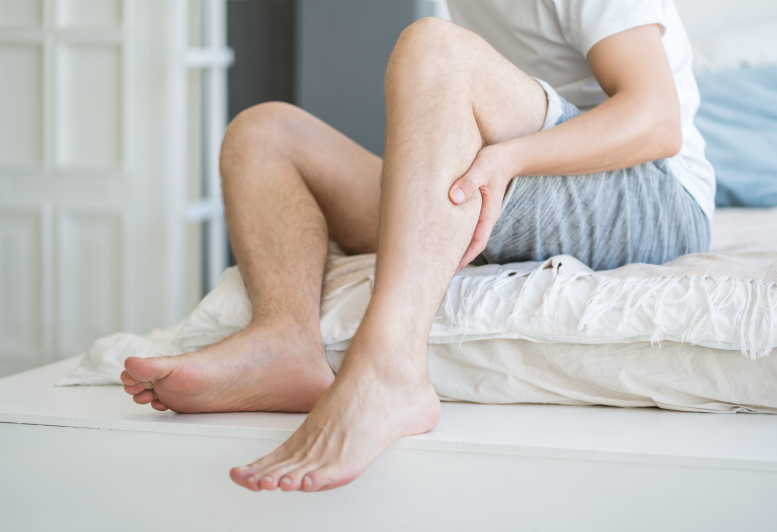
A Quick Anatomy Refresher: What Are the Calf Muscles?
Your calf is made up of two main muscles:
Gastrocnemius
- The large, visible muscle
- Crosses both the knee and ankle
- Most active during running, jumping and pushing off
Soleus
- Lies underneath the gastrocnemius
- Works harder during walking and prolonged standing
- A common culprit in “tight but deep” calf stiffness
Both muscles attach to the Achilles tendon and help control ankle movement. When either becomes tight or overloaded, movement elsewhere has to compensate — and that’s when injuries occur.
Common Causes of Tight Calf Muscles
1. Prolonged Sitting or Standing
Long hours sitting at a desk or standing at work (think teachers, nurses, retail staff) can reduce normal ankle movement and blood flow, leading to stiffness and reduced calf length over time.
2. Sudden Increase in Activity
A big spike in walking, running, gym training or sport — especially after a break — is one of the most common causes we see. The calves simply aren’t conditioned for the load.
3. Poor Footwear
Shoes with:
- Elevated heels
- Poor arch support
- Minimal cushioning
can all shorten the calf muscles gradually without you realising.
4. Limited Ankle Mobility
Previous ankle sprains, fractures or repeated “rolling” of the ankle often lead to joint stiffness, which forces the calves to tighten as a protective response.
5. Running and Sports Load
Runners, footballers and court-sport athletes rely heavily on calf strength. Without adequate recovery, strength balance and mobility, tightness becomes chronic.

Symptoms Linked to Tight Calf Muscles
You might experience:
- Morning stiffness in the calves or Achilles
- Pain at the back of the heel
- Cramping during or after exercise
- Reduced ankle flexibility
- Pain under the foot (plantar fascia)
- Fatigue or burning in the lower legs
Many people stretch daily but see little improvement — which usually means something deeper is going on.
Why Stretching Alone Often Isn’t Enough
Stretching is helpful, but it’s rarely the full solution.
Here’s why calf tightness often persists:
- The problem may be strength-related, not flexibility
- Joint stiffness at the ankle can limit true muscle length
- Poor running or walking mechanics keep re-tightening the calf
- Neural tension (nerve sensitivity) can mimic tightness
- The soleus is often missed entirely with basic stretches
This is where physiotherapy makes a huge difference.
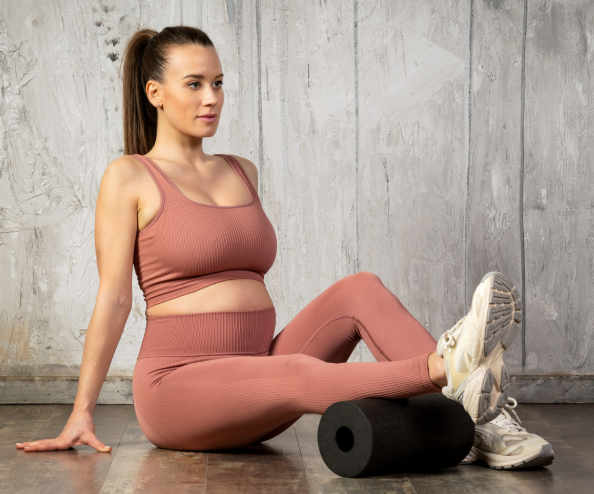
The Role of Physiotherapy in Treating Tight Calf Muscles
Physiotherapy doesn’t just treat the symptom — it addresses why your calves are tight in the first place.
Comprehensive Assessment
At X-Physio, we assess:
- Ankle joint mobility
- Calf strength and endurance
- Walking and running mechanics
- Load tolerance
- Foot posture and footwear
- Training history and recovery
This allows us to build a targeted treatment plan rather than guessing.
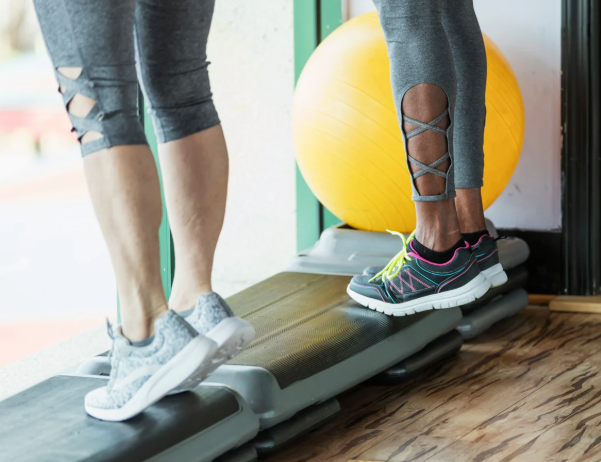
Hands-On Treatment
Depending on your presentation, treatment may include:
- Soft tissue release
- Joint mobilisation to improve ankle range
- Dry needling (if appropriate)
- Myofascial techniques
- Taping for short-term load relief
These techniques help reduce stiffness and restore normal movement — but they’re only part of the picture.
Strength-Based Rehab (The Missing Piece)
Strong calves are resilient calves.
We focus heavily on:
- Eccentric calf loading
- Soleus-specific strengthening
- Progressive plyometrics (when appropriate)
- Load management strategies
This not only reduces tightness but prevents symptoms from returning.
Real Patient Example from Our Clinic
Recently, we treated a patient who travelled to our Frenchs Forest NSW clinic from a nearby surrounding suburb after struggling with ongoing calf tightness and heel pain for over six months.
They were an active walker who had increased their daily steps significantly. Despite stretching every day, their symptoms were worsening and starting to limit activity.
After assessment, we found:
- Significant soleus weakness
- Restricted ankle joint mobility
- Over-reliance on stretching with no strength work
Within the first few sessions, we focused on joint mobilisation, calf loading exercises and modifying walking volume. By six weeks, their calf tightness had resolved, heel pain was gone, and they were back to walking comfortably without daily stiffness.
This is a very common story — and one that responds extremely well to the right physiotherapy approach.
How Long Does It Take to Fix Tight Calf Muscles?
This depends on:
- How long the tightness has been present
- Your activity level
- Strength deficits
- Consistency with rehab
Most people notice improvement within 2–4 weeks, with more stubborn or long-standing cases taking 6–8 weeks of guided physiotherapy.
Can Tight Calf Muscles Cause Other Injuries?
Absolutely.
We commonly see tight calves contributing to:
- Plantar fasciitis
- Achilles tendinopathy
- Shin splints
- Knee pain
- Ankle instability
Addressing calf function early can prevent these issues from developing.
When Should You See a Physio?
You should book in if:
- Calf tightness keeps returning
- You have heel or Achilles pain
- Stretching no longer helps
- Symptoms are affecting walking or sport
- You’ve recently increased activity
Early intervention is faster, easier and far more effective.
Frequently Asked Questions (FAQs)
Are tight calf muscles bad?
Yes. Ongoing tight calf muscles can alter movement patterns and contribute to foot, ankle, knee and Achilles injuries if not addressed properly.
What is the fastest way to relieve tight calf muscles?
Short-term relief can come from hands-on treatment and mobility work, but long-term improvement requires strengthening and correcting movement patterns.
Should I stretch my calves every day?
Stretching can help, but daily stretching without strength work often leads to recurring tightness.
Can tight calves cause plantar fasciitis?
Yes. Tight calf muscles increase strain through the plantar fascia, making heel pain more likely.
Do I need imaging for calf tightness?
In most cases, no. A thorough physiotherapy assessment is usually all that’s required.
References & Further Reading
- https://xphysio.com.au/blog/plantar-fasciitis-treatment
- https://xphysio.com.au/blog/achilles-tendon-pain
- https://www.sportsmedtoday.com/calf-strain-va-86.htm
- https://www.physio-pedia.com/Calf_Muscle
{
“@context”: “https://schema.org”,
“@type”: “FAQPage”,
“mainEntity”: [
{
“@type”: “Question”,
“name”: “Are tight calf muscles bad?”,
“acceptedAnswer”: {
“@type”: “Answer”,
“text”: “Yes. Ongoing tight calf muscles can alter movement patterns and contribute to foot, ankle, knee and Achilles injuries if not addressed properly.”
}
},
{
“@type”: “Question”,
“name”: “What is the fastest way to relieve tight calf muscles?”,
“acceptedAnswer”: {
“@type”: “Answer”,
“text”: “Short-term relief can come from hands-on treatment and mobility work, but long-term improvement requires strengthening and correcting movement patterns.”
}
},
{
“@type”: “Question”,
“name”: “Should I stretch my calves every day?”,
“acceptedAnswer”: {
“@type”: “Answer”,
“text”: “Stretching can help, but daily stretching without strength work often leads to recurring tightness.”
}
},
{
“@type”: “Question”,
“name”: “Can tight calves cause plantar fasciitis?”,
“acceptedAnswer”: {
“@type”: “Answer”,
“text”: “Yes. Tight calf muscles increase strain through the plantar fascia, making heel pain more likely.”
}
},
{
“@type”: “Question”,
“name”: “Do I need imaging for calf tightness?”,
“acceptedAnswer”: {
“@type”: “Answer”,
“text”: “In most cases, no. A thorough physiotherapy assessment is usually all that’s required.”
}
}
]
}