

Tendon pain can stop you training, working, or even sleeping comfortably. But is it tendonitis or tendinopathy? While they sound similar, they’re actually different conditions that need different treatment approaches. In this blog, we’ll break down the key differences, common causes, and how tendonitis physiotherapy vs tendinopathy rehab can get you back to pain-free movement faster.
If you’ve been resting for weeks with no improvement — keep reading. The right physio plan can change everything.
Why Tendon Pain Is So Common
Tendons are the tough, rope-like tissues that connect muscle to bone. They handle enormous loads every day — running, lifting, typing, throwing, or even standing for long periods.
When tendons are overloaded or under-prepared for the work we demand of them, pain can develop. This is especially common in:
- Runners
- Tradies
- Desk workers with repetitive strain
- Parents lifting kids
- Weekend warriors returning to sport too quickly
Historically, any tendon pain was labelled “tendonitis.” But modern research shows most long-lasting tendon pain isn’t inflammation at all — it’s tendinopathy. And that distinction matters.

Tendonitis vs Tendinopathy: What’s the Actual Difference?
What is Tendonitis?
Tendonitis refers to acute inflammation of a tendon.
It usually happens:
- After a sudden spike in activity
- Following direct trauma
- In the early stage of overload
Classic tendonitis signs include:
- Sudden onset pain
- Swelling or warmth
- Pain with movement
- Tenderness to touch
This inflammatory phase is usually short-lived — lasting days to a couple of weeks.
What is Tendinopathy?
Tendinopathy refers to degenerative tendon change, not inflammation.
With repeated overload and inadequate recovery, the tendon structure starts to weaken. Collagen fibres become disorganised, and the tendon thickens but loses strength.
Typical features include:
- Pain that develops gradually
- Stiffness in the morning
- Pain at the start of activity that eases as you warm up
- Pain returning after exercise
- Long-term persistence (months)
This is why rest and anti-inflammatory medication often fail — because there’s little inflammation to treat.
Why Getting the Diagnosis Right Matters
If you treat tendinopathy like tendonitis — meaning rest, ice, and avoiding load — the tendon actually becomes weaker over time.
If you overload an inflamed acute tendon — you can worsen irritation.
That’s why a proper physiotherapy assessment is essential. We look at:
- Your pain history
- Activity levels
- Strength and movement patterns
- Load tolerance of the tendon
- Contributing biomechanical factors
From there, we tailor treatment to match the tendon’s stage of healing.
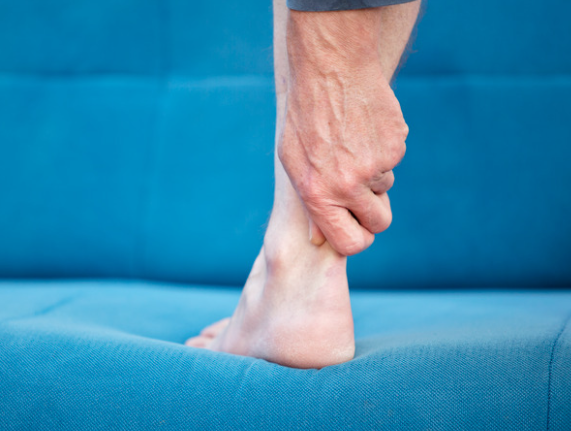
Common Tendon Problems We See
At our clinic near Frenchs Forest NSW, we commonly treat:
- Achilles tendinopathy
- Patellar tendinopathy (jumper’s knee)
- Rotator cuff tendinopathy
- Tennis and golfer’s elbow
- Gluteal tendinopathy
- Plantar fascia tendon pain
Each tendon behaves differently — so cookie-cutter rehab doesn’t work.
What Causes Tendonitis and Tendinopathy?
While the conditions differ, risk factors often overlap:
- Sudden increase in training or workload
- Poor strength or conditioning
- Repetitive movements
- Poor technique or biomechanics
- Inadequate recovery
- Age-related tendon changes
- Previous injury history
The good news? These are all modifiable with the right physiotherapy program.
Tendonitis Physiotherapy vs Tendinopathy Rehab: What Physio Does Best
Early Tendonitis Treatment
If your tendon is in the acute inflammatory stage, physiotherapy focuses on:
- Load reduction guidance (not total rest)
- Activity modification
- Gentle mobility exercises
- Soft tissue techniques
- Taping or bracing if required
- Gradual re-loading plan
The goal is to settle pain while keeping the tendon healthy enough to recover properly.
Tendinopathy Rehabilitation
For chronic tendon pain, exercise is medicine — but it must be the right exercise at the right load.
Physiotherapy for tendinopathy typically includes:
- Progressive strength loading
- Isometric pain-reducing exercises
- Slow resistance training
- Plyometric or sport-specific loading later
- Gait or technique correction
- Hip and core strengthening
- Return-to-sport planning
This stimulates tendon remodelling — helping fibres realign and regain strength.

Why Rest Alone Doesn’t Fix Tendinopathy
One of the biggest myths is “just rest until it settles.”
Yes, rest might reduce symptoms temporarily. But without loading, tendons:
- Lose stiffness
- Lose strength
- Become more sensitive to load
- Are more likely to flare again
Physio-guided loading teaches your tendon to tolerate stress again — safely and progressively.
A Real Patient Example from Our Clinic
Recently, we saw Sarah, a 38-year-old runner from Beacon Hill, just minutes from Frenchs Forest NSW. She’d been struggling with Achilles pain for over six months. She’d tried resting, changing shoes, and even stopped running — but the pain returned every time she resumed training.
After assessment, we diagnosed mid-portion Achilles tendinopathy. Her rehab plan included:
- Isometric calf loading for pain control
- Progressive slow calf raises
- Hip and glute strength work
- Running load modification
- Gradual return-to-run plan
Within four weeks, Sarah was running short distances pain-free. At three months, she returned to her usual running routine — stronger than before.
That’s the power of evidence-based tendon rehab.
How Long Does Tendon Rehab Take?
This depends on:
- How long you’ve had pain
- The tendon involved
- Your current strength levels
- Your consistency with exercises
General timeframes:
- Acute tendonitis: 2–6 weeks
- Tendinopathy: 8–16 weeks (sometimes longer)
The key is steady progress, not rushing.
Can Physio Help Prevent Tendon Injuries?
Absolutely. Prevention programs focus on:
- Strength and conditioning
- Load management education
- Movement pattern correction
- Warm-up routines
- Recovery strategies
Prevention is always easier than rehab.
When Should You See a Physio?
Book in if:
- Tendon pain lasts longer than 2 weeks
- Pain returns every time you resume activity
- Morning stiffness is increasing
- You’re unsure how much load is safe
- Rest hasn’t worked
Early guidance prevents long-term frustration.
Why Choose Physiotherapy for Tendon Pain?
At our Frenchs Forest clinic, we offer:
- Thorough assessment
- Individualised rehab plans
- Evidence-based loading programs
- Hands-on treatment when required
- Clear guidance on activity modification
- Ongoing progression to full recovery
No generic exercise sheets — just tailored care.
Final Thoughts
Tendonitis physiotherapy vs tendinopathy rehab are not the same — and treating them correctly makes all the difference. Whether your tendon pain is new or has been lingering for months, there’s a proven pathway forward.
Don’t wait for it to “just settle.”
FAQs
What is the main difference between tendonitis and tendinopathy?
Tendonitis is short-term inflammation of a tendon, usually after sudden overload. Tendinopathy is long-term degeneration of the tendon structure caused by repeated strain. They need different treatment approaches.
Should I rest or exercise with tendon pain?
Short-term rest helps acute tendonitis. But tendinopathy requires progressive loading exercises to rebuild tendon strength. A physiotherapist can guide the correct balance.
How long does tendinopathy take to heal?
Most tendinopathy programs take 8–16 weeks of consistent rehab. Long-standing cases may take longer, but steady improvement is expected with proper loading.
Can anti-inflammatory medication fix tendinopathy?
Anti-inflammatories may reduce pain temporarily, but tendinopathy isn’t primarily inflammatory. Rehab exercises remain the main treatment.
When should I see a physiotherapist for tendon pain?
If pain lasts more than two weeks, keeps returning with activity, or limits daily life, it’s time for a physio assessment.
References (with websites)
Here are useful, authoritative sites to learn more:
- Better Health Channel – Tendinopathy & tendon pain
https://www.betterhealth.vic.gov.au/health/conditionsandtreatments/tendonitis - Healthdirect – Tendinopathy info (Australia)
https://www.healthdirect.gov.au/tendinopathy - Healthdirect – Tendinitis info (Australia)
https://www.healthdirect.gov.au/tendinitis - Physiocheck – Achilles tendinopathy overview
https://www.physiocheck.com.au/condition/68/achilles-tendinopathy - Physica – Achilles tendinopathy & continuum model
https://www.physica.com.au/achilles-tendonopathy/ - Peak Physio – Tendinopathy research references
https://www.peak-physio.com.au/education/tendinopathy-overview/ - Blog XPhysio
- https://xphysio.com.au/blog/
Give us a call today on 9806 3077, or book online — just CLICK HERE:
https://x-physio.au4.cliniko.com/bookings#service