

Osteopenia is an early stage of bone loss that can quietly increase your risk of fractures if left untreated. The good news? With the right exercise, lifestyle changes, and physiotherapy guidance, you can slow – and sometimes even reverse – bone loss. In this blog, we’ll explain what osteopenia is and how physiotherapy can help keep your bones strong.
What is Osteopenia?
Osteopenia is a condition where bone mineral density is lower than normal, but not low enough to be classified as osteoporosis. To learn more about osteoporosis, read our blog HERE.
Think of it as a warning sign that your bones are starting to lose strength. If nothing is done, osteopenia can progress to osteoporosis, which significantly increases the risk of fractures.
Bones are constantly renewing themselves. Old bone tissue is broken down and replaced with new bone. As we age, the balance can shift so that bone is lost faster than it is rebuilt.
This gradual loss leads to weaker bones.
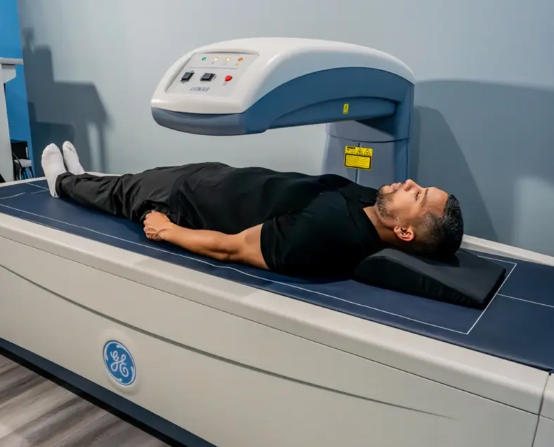
A bone density scan (DEXA scan) measures bone density and gives a T-score:
- Normal: Above -1
- Osteopenia: Between -1 and -2.5
- Osteoporosis: Below -2.5
Many people only discover osteopenia during routine screening or after an unexpected fracture.
The key message is simple: osteopenia is the best time to intervene before major bone loss occurs.
Why Osteopenia Matters
Bone health is often overlooked because osteopenia usually has no symptoms.
You won’t feel your bones getting weaker.
However, the consequences can be serious if bone density continues to decline.
People with osteopenia have an increased risk of:
- Wrist fractures
- Hip fractures
- Spinal compression fractures
- Height loss
- Chronic back pain
Hip fractures in particular can be life-changing and are associated with loss of independence in older adults.
The good news is that bone loss is highly responsive to exercise, which is where physiotherapy plays a major role.
What Causes Osteopenia?
Several factors contribute to reduced bone density.
Ageing
Bone density naturally peaks around age 30. After that, bone loss slowly begins.
Hormonal Changes
Hormonal changes play a major role, particularly after menopause.
Lower oestrogen levels accelerate bone loss in women.
Physical Inactivity
Bones respond to load. Without regular weight-bearing activity, bone strength declines.
Sedentary lifestyles significantly increase the risk of osteopenia.
Poor Nutrition
Bones require key nutrients including:
- Calcium
- Vitamin D
- Protein
- Magnesium
Low intake of these nutrients can contribute to bone loss.
Medical Conditions
Certain conditions increase risk:
- Thyroid disorders
- Rheumatoid arthritis
- Coeliac disease
- Hormonal disorders
Medications
Long-term use of some medications can affect bone density, including:
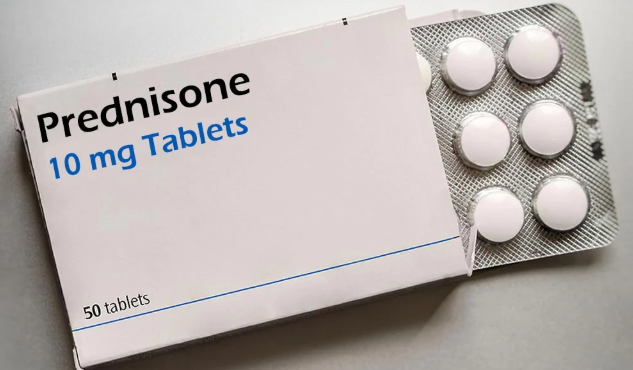
- Corticosteroids
- Some cancer treatments
- Certain anticonvulsants
Symptoms of Osteopenia
Osteopenia is often called a “silent condition” because symptoms rarely appear until bone loss becomes more severe.
However, some warning signs may include:
- Reduced height
- Poor posture
- Back pain from vertebral compression
- Fractures from minor trauma
Many people are diagnosed after having a DEXA scan recommended by their GP.

How Physiotherapy Helps Osteopenia
Physiotherapy is one of the most effective non-medication treatments for osteopenia.
Exercise stimulates bone cells to produce stronger bone tissue. This process is known as bone remodelling.
When bones experience controlled stress through exercise, they respond by becoming stronger.
A physiotherapy program focuses on several key areas.
1. Weight-Bearing Exercise
Weight-bearing exercises force the skeleton to support body weight.
Examples include:
- Walking
- Stair climbing
- Hiking
- Light jogging
- Dancing
These activities stimulate bone growth in the hips and spine.
2. Resistance Training
Strength training places controlled load through bones via muscles.
Research consistently shows resistance training improves bone density.
Examples include:
- Squats
- Lunges
- Step ups
- Deadlifts
- Resistance bands
- Weight machines
A physiotherapist ensures exercises are performed safely and progressively.
3. Balance Training
Falls are the leading cause of fractures.
Improving balance significantly reduces fracture risk.
Balance training may include:
- Single-leg standing
- Stability exercises
- Core strengthening
- Proprioception drills
4. Posture Correction
Poor posture increases spinal compression forces and fracture risk.
Physiotherapy helps strengthen the muscles that support the spine.
This improves:
- Spinal alignment
- Breathing mechanics
- Overall movement efficiency
5. Education and Lifestyle Advice
Physiotherapists provide guidance on:
- Safe exercise progression
- Activity modifications
- Bone-friendly habits
- Fall prevention strategies
A Real Patient Story From Our Clinic
Recently, we saw a patient named Sarah (name changed for privacy) who travelled from Belrose, a suburb close to Frenchs Forest, after being diagnosed with osteopenia during a routine health check.
She was in her early 60s and had always considered herself relatively active, but a DEXA scan revealed her bone density had dropped into the osteopenia range.
Sarah’s biggest concern was that her mother had suffered a hip fracture in her seventies.
After an initial physiotherapy assessment in Frenchs Forest NSW, we identified several issues:
- Reduced lower limb strength
- Poor single-leg balance
- Forward-rounded posture
- Low confidence with strength training
We designed a structured physiotherapy program focusing on:
- Progressive resistance training
- Hip and spinal loading exercises
- Balance training
- Postural strengthening
Over the next three months, Sarah attended physiotherapy and completed a home exercise program.
The results were excellent.
She reported:
- Improved strength
- Better balance
- Increased confidence with exercise
- No fear of lifting weights
Most importantly, she had developed a long-term exercise routine that will help protect her bones for years to come.
The Best Exercises for Osteopenia
The most effective exercise programs combine three key components.
Strength Training
Strength training should ideally be performed 2–3 times per week.
Key exercises include:
- Squats
- Lunges
- Step-ups
- Deadlifts
- Rows
- Overhead press
These exercises load the skeleton and stimulate bone growth.

Impact Training
Low to moderate impact helps stimulate bone density.
Examples include:
- Brisk walking
- Jogging
- Skipping
- Small jumps
These should be introduced gradually and supervised if needed.
Balance and Stability Work
Improving balance reduces the risk of falls.
Exercises may include:
- Heel-to-toe walking
- Single-leg balance
- Stability ball work
- Core strengthening
Lifestyle Tips to Protect Bone Health
Exercise works best when combined with healthy lifestyle habits.
Calcium Intake
Adults generally require around 1000–1300 mg of calcium per day.
Good sources include:
- Dairy products
- Almonds
- Leafy greens
- Tofu
- Sardines
Vitamin D
Vitamin D helps the body absorb calcium.
Sun exposure and supplementation may be required depending on levels.
Protein Intake
Protein is essential for maintaining bone and muscle.
Include adequate protein with each meal.
Avoid Smoking
Smoking significantly accelerates bone loss.
Limit Alcohol
Excessive alcohol intake negatively affects bone health.
When Should You See a Physiotherapist?
You should consider physiotherapy if:
- You have been diagnosed with osteopenia
- You have low bone density
- You want a safe strength training program
- You have had previous fractures
- You are worried about falls
- You want to prevent osteoporosis
Early intervention can make a huge difference to long-term bone health.
The Takeaway
Osteopenia is a warning sign that your bones need attention, but it is also a valuable opportunity to take action before osteoporosis develops.
With the right physiotherapy program, strength training, and lifestyle changes, you can slow bone loss and significantly reduce fracture risk.
If you’ve recently been diagnosed with osteopenia or want to protect your bone health, physiotherapy can help you develop a safe and effective exercise plan tailored to your needs.
FAQs About Osteopenia
What is osteopenia?
Osteopenia is a condition where bone mineral density is lower than normal but not low enough to be diagnosed as osteoporosis. It is considered an early stage of bone loss and increases the risk of fractures if untreated.
Can osteopenia be reversed?
In many cases, bone density can improve with the right combination of resistance training, weight-bearing exercise, adequate nutrition, and medical management.
What exercises are best for osteopenia?
The most effective exercises include resistance training, weight-bearing activity such as walking, and balance exercises to reduce fall risk.
How is osteopenia diagnosed?
Osteopenia is diagnosed using a DEXA bone density scan, which measures bone mineral density and provides a T-score.
Should people with osteopenia lift weights?
Yes. Strength training is one of the most effective ways to improve bone density. However, exercises should be introduced gradually and ideally under physiotherapy supervision.
References
- Osteoporosis Australia – Bone Health Resources
https://healthybonesaustralia.org.au - Royal Australian College of General Practitioners – Osteoporosis Management
https://www.racgp.org.au - International Osteoporosis Foundation
https://www.osteoporosis.foundation - Mayo Clinic – Osteopenia Overview
https://www.mayoclinic.org - National Institutes of Health – Bone Health and Exercise
https://www.nih.gov
Give us a call today on 9806 3077, or book online, just CLICK HERE