

Hip labral tears can cause deep groin pain, clicking, or instability that slows you down — whether you’re running, training, or just moving through daily life. The good news? Physiotherapy can help restore your hip’s stability, strength and movement. Keep reading to discover proven treatment options and how to recover faster.
What Exactly Is a Hip Labral Tear?
The hip labrum is a ring of cartilage that lines the rim of your hip socket (acetabulum). It acts like a seal — keeping the joint stable, lubricated and cushioned. When the labrum tears, it can lead to pain, catching sensations, and feelings of instability or “giving way.”
A hip labral tear can happen due to:
- Repetitive stress or overuse, common in runners, footballers, and dancers.
- Structural issues like femoroacetabular impingement (FAI).
- Trauma or injury, such as a fall or twist.
- Degeneration from age or osteoarthritis.
These tears often cause vague groin or hip pain that worsens with sitting, twisting, or bending — and sometimes radiate to the thigh or buttock.
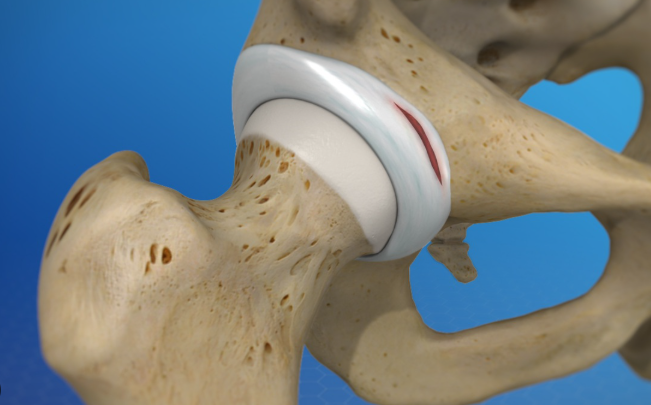
Common Symptoms of a Hip Labral Tear
You might experience:
- Deep groin pain or aching around the hip joint.
- Clicking, locking, or catching when moving the hip.
- A sense of instability, weakness, or “giving way.”
- Pain when standing up from sitting or after exercise.
- Reduced range of motion or stiffness.
If these sound familiar, it’s important to get assessed by a physiotherapist trained in hip conditions — as early diagnosis can prevent further joint damage and help you avoid surgery.

How Physiotherapy Helps with Hip Labral Tears
Physiotherapy plays a central role in non-surgical management of hip labral tears. Treatment aims to restore the hip’s natural movement, strengthen surrounding muscles, and reduce the excessive load placed on the injured labrum.
At X Physio in Frenchs Forest, our approach focuses on four key goals:
- Reduce pain and inflammation
Early treatment may include manual therapy, soft tissue release, and gentle mobility exercises. Modalities like dry needling or shockwave therapy may also be used depending on your condition. - Restore range of motion
Stiffness around the hip capsule and glutes is common. Your physio will prescribe tailored mobility drills and joint techniques to improve flexibility safely. - Strengthen hip stabilisers
Targeting muscles like the gluteus medius, deep rotators, and core muscles reduces joint stress and provides long-term support. Strength work is progressive — from floor-based exercises to single-leg stability and sport-specific drills. - Optimise movement patterns
Many patients with labral tears have underlying biomechanical issues — like pelvic tilt or poor hip control. Correcting these patterns is key to preventing recurrence and improving athletic performance.
Do Hip Labral Tears Heal on Their Own?
While cartilage itself has limited blood supply (meaning the labrum doesn’t “heal” easily), many people recover well with physiotherapy. The goal is to stabilise the joint, unload the damaged tissue, and allow you to return to pain-free activity without surgery.
In cases where the tear is large or associated with significant impingement, your physio may work closely with an orthopaedic specialist to plan your next steps.
Real Patient Example: Sarah from Forestville
Sarah, a 34-year-old recreational runner from Forestville NSW, came to X Physio Frenchs Forest after months of groin pain and clicking whenever she ran or climbed stairs. An MRI confirmed a small anterior labral tear and mild impingement.
Through a structured physiotherapy program — focusing on hip mobility, gluteal strengthening, and movement retraining — Sarah’s pain reduced within four weeks. By week eight, she was jogging comfortably again. Today, she’s back to running 10km pain-free and continues her maintenance exercises to prevent recurrence.
Her story is a great example of how hip labral tear physiotherapy can help patients regain confidence and return to what they love — without invasive surgery.
Your Physiotherapy Treatment Plan at X Physio
When you visit X Physio in Frenchs Forest, your treatment will typically include:
1. Comprehensive Assessment
We’ll review your injury history, training habits, and biomechanics. We may perform specific movement and strength tests to pinpoint muscle imbalances and contributing factors.
2. Manual Therapy
Joint mobilisation, soft tissue release, and trigger point therapy help relieve tightness in surrounding muscles such as the hip flexors, glutes, and TFL.
3. Individualised Exercise Program
We’ll develop a progressive rehabilitation plan tailored to your goals. This may include:
- Gluteal activation drills (e.g., clams, bridges)
- Hip stability and balance exercises
- Core strengthening
- Movement re-education to correct compensations
4. Return-to-Sport Guidance
For athletes, we incorporate sport-specific training and controlled load progression to ensure safe return to running, gym training, or team sport.
5. Education and Prevention
You’ll learn how to manage load, improve posture, and avoid movements that irritate the labrum. We may also discuss footwear, stretching routines, and strength maintenance programs.
When Surgery Might Be Needed
If pain persists despite several months of consistent physiotherapy, your physio may refer you for arthroscopic surgery. This minimally invasive procedure can repair or trim the torn labrum and correct any bone impingement.
Post-operative physiotherapy is essential for recovery — restoring strength, mobility, and function after surgery. Our team has extensive experience guiding patients through successful rehab following labral repair.
How Long Does Recovery Take?
Recovery depends on the tear’s severity, your overall health, and how consistently you follow your rehab plan.
- Mild tears: noticeable improvement in 6–8 weeks
- Moderate tears: 3–6 months of physiotherapy
- Post-surgery rehab: up to 6–9 months for full return to sport
Consistency is key — patients who stay active and commit to their home exercise program achieve faster, longer-lasting results.
Can I Exercise with a Hip Labral Tear?
Yes — but the right type of exercise matters. Your physio will guide you through safe, low-impact activities that build strength without aggravating the joint, such as:
- Swimming or cycling
- Pilates or clinical strength training
- Resistance band exercises
- Targeted glute and core work
Avoid repetitive high-impact movements like sprinting, jumping, or deep squats until cleared by your physio.

Prevention Tips for Hip Labral Tears
- Warm up properly before workouts.
- Improve hip and core strength to support joint stability.
- Work on mobility to maintain smooth hip movement.
- Avoid overtraining — balance rest and activity.
- Address early signs of pain before they worsen.
Regular check-ups with your physiotherapist can catch issues early and reduce your risk of future tears.
When to See a Physiotherapist
If you’re experiencing hip or groin pain, clicking, or stiffness that doesn’t settle after a few days, book an appointment. Early physiotherapy intervention can significantly reduce your recovery time and help you avoid surgery.
At X Physio Frenchs Forest, we treat patients from across the Northern Beaches — including Forestville, Belrose, Davidson, and Allambie Heights.
Give us a call today on 9806 3077, or book online — just CLICK HERE to start your recovery journey.
FAQs About Hip Labral Tear Physiotherapy
1. What are the first signs of a hip labral tear?
Pain in the groin, clicking, or a feeling of hip instability are often the first signs. You might also notice discomfort with sitting, twisting, or getting out of the car.
2. Can physiotherapy fix a hip labral tear without surgery?
Yes. Physiotherapy can’t “repair” the cartilage itself but can effectively reduce pain, improve stability, and restore function by strengthening and retraining the hip and core muscles.
3. How long does it take to recover with physiotherapy?
Most mild to moderate labral tears improve within 6–12 weeks of consistent physiotherapy. More complex cases can take longer depending on severity and lifestyle factors.
4. Should I stop exercising if I have a labral tear?
Not necessarily. Your physiotherapist will modify your training so you can stay active safely, focusing on low-impact and strengthening exercises while avoiding aggravating movements.
5. Can a hip labral tear cause long-term problems?
If left untreated, it can lead to chronic hip pain and increase the risk of early arthritis. Early assessment and guided physiotherapy help prevent long-term joint damage.