

A bone bruise is deeper than a muscle strain but not quite a fracture — which is exactly why it hangs around. The bone’s internal structure gets damaged and heals slowly. In this guide we’ll explain why pain lingers, what speeds recovery up, and how physio gets you moving sooner. If your injury isn’t settling… keep reading.
What is a Bone Bruise?
A bone bruise (also called a bone contusion) is damage to the inside of the bone.
Think of bone like a honeycomb — not solid concrete. When force hits it (fall, tackle, twist, awkward landing), tiny internal trabeculae collapse and bleed.
You haven’t broken the bone — but you’ve injured the structure.
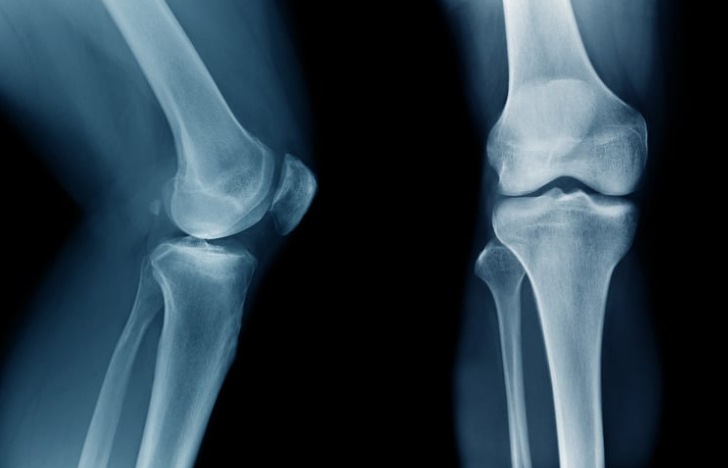
That’s why it hurts far more than a sprain but looks normal on X-ray.
Bone bruises commonly occur in:
- Knee (most common — especially after sport)
- Heel after landing
- Hip after a fall
- Wrist after catching yourself
- Ankle after rolling it
- Shoulder after impact
Why Does a Bone Bruise Hurt for So Long?
This is the big frustration.
People expect soft tissue healing timelines:
- Muscle: 2–4 weeks
- Ligament: 4–8 weeks
But bone bruises often last 2–6 months.
Here’s why.
1. Bones Have Poor Blood Flow
Muscle heals quickly because it’s rich in blood supply.
Bone marrow? Not so much.
Healing cells physically take longer to arrive.
2. Every Step Compresses the Injury
Unlike a muscle tear where rest helps — you load bones every time you stand, walk, or climb stairs.
So the injury gets micro-irritated daily.
3. Swelling is Trapped Inside Bone
Soft tissue swelling can disperse.
Bone swelling is trapped under rigid cortex → pressure → deep aching pain.
That classic complaint:
“It feels bruised inside, especially at night.”
Exactly right.
4. MRI Changes Persist After Symptoms Improve
A key point — pain and healing don’t progress together.
Even once you feel better, bone remodelling continues for months.
Return too fast → flare up.
This is where physiotherapy becomes critical.
Symptoms of a Bone Bruise
Typical features include:
- Deep ache rather than sharp pain
- Pain with weight-bearing
- Worse after activity, stiff the next day
- Night throbbing
- Localised tenderness over bone
- Swelling without major instability
- Slow improvement plateau
The giveaway sign:
You were improving… then it just stopped.
Classic bone bruise behaviour.
To find out more info about a bone fracture, CLICK HERE
Why Rest Alone Doesn’t Fix It
Many people are told:
“Just rest and let it heal.”
The problem?
Total rest weakens the surrounding muscles → more load goes through the bone → recovery slows.
Bone actually heals best with controlled progressive loading.
Not zero load.
Not full sport.
But smart loading.
That’s physiotherapy.

How Physiotherapy Speeds Bone Bruise Recovery
At our clinic in Frenchs Forest, we manage bone bruises weekly — especially knees and heels.
Physio treatment works in 4 stages.
Stage 1 — Settle Irritation (Week 0–2)
Goal: Reduce internal bone pressure
We use:
- Load modification (not full rest)
- Crutch or taping advice
- Range of motion drills
- Muscle activation without compression
- Pool walking or cycling
- Pain-guided activity limits
Important:
You should still move — just not aggravate.
Stage 2 — Restore Movement (Week 2–6)
Now we improve joint mechanics so force spreads better.
Common problems:
- Stiff ankle → overload knee bone bruise
- Weak glutes → overload hip
- Poor quad control → overload patella
Treatment includes:
- Joint mobilisation
- Strength activation patterns
- Gait retraining
- Controlled weight-bearing progressions
Pain often drops dramatically here.
Stage 3 — Load the Bone Properly (Week 4–10)
This is the most important stage — and the one most people skip.
Bone remodels in response to progressive compression.
We introduce:
- Isometric loading
- Slow resistance strength
- Step-down progressions
- Controlled impact preparation
This stimulates healing instead of delaying it.
Stage 4 — Return to Impact (Week 8–16+)
Gradual return:
- Jog → run intervals
- Landing mechanics
- Deceleration training
- Sport-specific drills
Skipping this stage = relapse.
Real Patient Example
A 34-year-old runner came to us from Belrose with persistent knee pain after slipping on wet tiles 8 weeks earlier.
They’d been told:
“Probably just bruised — give it time.”
But time didn’t help.
Findings
- MRI: medial femoral condyle bone bruise
- Quad inhibition
- Avoidance gait
- Pain climbing stairs
- Unable to run
Treatment Plan
Weeks 1–2
Unload + restore quad activation
Weeks 3–6
Strength + controlled knee loading
Weeks 6–10
Running re-introduction program
Weeks 10–12
Return to park run
Outcome
- Running 5km pain-free
- No swelling
- Confidence restored
The biggest change?
They stopped resting completely and started graded loading.
Exercises That Help Bone Bruise Recovery
(Always guided — wrong load irritates bone)
Early Phase
- Static quad holds
- Glute bridges
- Heel slides
- Pool walking
Mid Phase
- Sit-to-stands
- Step-ups
- Resistance band walking
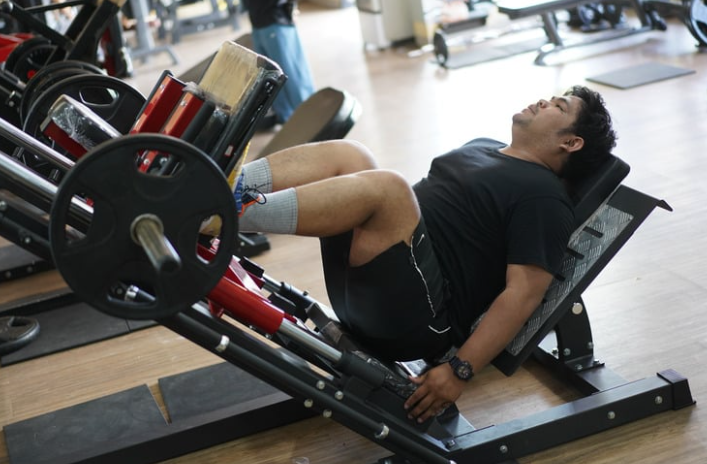
- Leg press (partial range)
Late Phase
- Split squats
- Single leg deadlifts
- Hopping drills
- Jog progressions
What Makes Bone Bruises Worse?
Avoid these mistakes:
❌ Complete rest for weeks
❌ Running “through discomfort”
❌ Stretching aggressively over bone
❌ Returning once pain reduces (too early)
❌ Ignoring strength deficits
How Long Does a Bone Bruise Take to Heal?
Typical timelines:
| Severity | Healing Time |
|---|---|
| Mild | 4–8 weeks |
| Moderate | 2–4 months |
| Severe | 4–9 months |
Key rule:
Pain settles before bone finishes healing.
We progress based on load tolerance — not MRI images.
Do You Need a Scan?
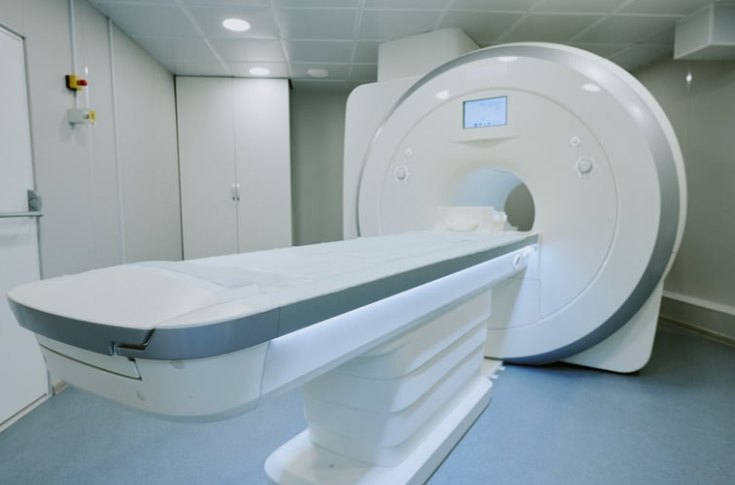
You may need MRI if:
- Pain lasts >4 weeks after impact
- Deep localised tenderness
- Night ache persists
- Swelling unexplained
- X-ray normal but pain severe
X-rays don’t show bone bruises.
Preventing Recurrence
Bone bruises often come back because the real cause wasn’t fixed.
We address:
- Landing mechanics
- Muscle imbalance
- Joint stiffness
- Running load errors
- Foot control
Once corrected → recurrence risk drops massively.
When to See a Physio
Book an assessment if:
- Pain lingers beyond 2–3 weeks
- You plateau in recovery
- Running keeps flaring symptoms
- Night pain persists
- Swelling returns after activity
Early treatment shortens recovery by months.
FAQs About Bone Bruises
How is a bone bruise different from a fracture?
A fracture breaks the bone cortex. A bone bruise damages the internal structure but keeps the outer shell intact.
Can you walk on a bone bruise?
Usually yes — but load must be controlled. Too much walking delays healing.
Should I ice a bone bruise?
Ice helps pain early but won’t speed healing significantly after the first week.
Why does it hurt more at night?
Bone pressure increases when circulation changes and muscles relax.
Can I run with a bone bruise?
Only during staged rehab. Running too early commonly resets recovery.
Do bone bruises show on X-ray?
No. They require MRI.
Does physio actually speed healing?
Yes — by optimising load, strength, and mechanics so bone remodelling occurs faster.
References
- https://www.ncbi.nlm.nih.gov/books/NBK532251/
- https://orthoinfo.aaos.org/en/diseases–conditions/bone-bruise/
- https://www.physio-pedia.com/Bone_Bruise
- https://bjsm.bmj.com/
- https://www.sportsmed.org/
Give us a call today on 9806 3077, or book online, just CLICK HERE